29 CFR 1926.1429: Crane Maintenance Qualification Rules
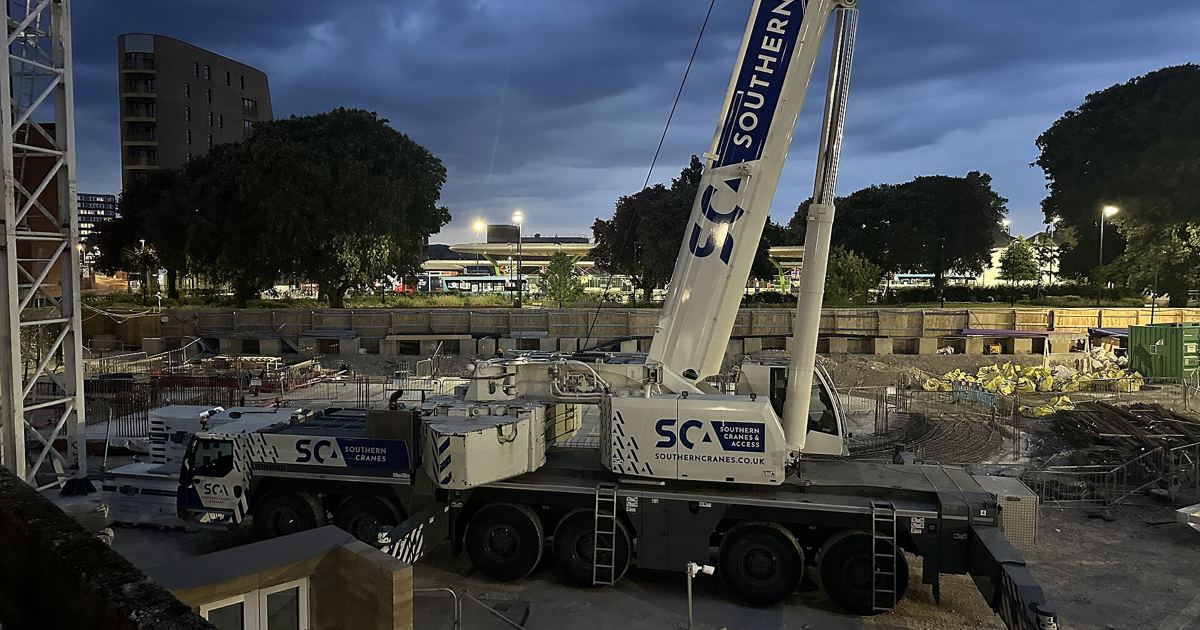
On busy construction projects, keeping lifting equipment running smoothly is essential for project schedules and jobsite safety. Trade contractors and general contractors frequently encounter situations where cranes, derricks, or related hoisting equipment require mechanical adjustments, scheduled servicing, or routine inspections. However, construction safety regulations strictly regulate who is allowed to perform maintenance and repair tasks, as well as who is permitted to manipulate crane controls during service operations. Clearing up misunderstandings regarding these requirements protects project teams from compliance pitfalls.
Myth: Any Field Mechanic Can Service Jobsite Cranes
A widespread assumption on construction sites is that any general tradesperson, field mechanic, or equipment technician can service or repair lifting machinery. Teams sometimes assume that mechanical skill alone is sufficient to handle repairs on specialized hoisting equipment without reference to specific federal safety benchmarks.
Fact: Personnel Must Meet the Standard for a Qualified Person
Under federal safety standards set out in 29 CFR 1926.1429, maintenance and repair personnel must meet the definition of a qualified person with respect to the equipment and maintenance or repair tasks performed. This means general familiarity with machinery is not enough; the individual performing the work must be qualified specifically for the machinery being serviced and the exact tasks being executed. When budgeting for equipment upkeep in estimating general conditions, project teams must account for personnel who satisfy these qualification standards rather than relying on unvetted crew members.
Myth: Maintenance Staff Always Need Full Operator Certification to Touch Controls
Another common belief is that anyone sitting in the cab or operating the controls—even just to check a newly installed hose or verify an adjustment—must possess complete crane operator certification. Contractors often worry that a certified operator must sit at the controls during every step of mechanical troubleshooting, potentially inflating site costs and delaying repairs.
Fact: Qualified Technicians Have Defined Pathways to Operate Equipment
Federal regulations provide specific criteria allowing maintenance, inspection, and repair personnel to operate hoisting equipment without holding standalone operator credentials. Under 29 CFR 1926.1429, these employees are permitted to operate the machinery if they meet qualification benchmarks and follow one of two recognized supervision or competency options. Specifically, the personnel must either:
- Operate the equipment under the direct supervision of an operator who meets the requirements of OSHA 1926.1427 for operator qualification and certification; or
- Be familiar with the operation, limitations, characteristics, and hazards associated with the type of equipment.
This dual-pathway approach ensures safety by requiring either active oversight from a certified operator or demonstrable familiarity with the machinery's operating parameters, operational limits, characteristics, and hazards.
Myth: Service Personnel Can Move Jobsite Loads While Testing Controls
When service technicians or inspectors operate machinery under maintenance exemptions, crews sometimes attempt to use the crane to assist with general jobsite tasks, such as unloading a delivery truck or positioning materials for trade crews, claiming the movement serves as a live functional check.
Fact: Operation Is Strictly Limited to Service and Performance Verification
Operating hoisting equipment under maintenance rules comes with explicit restrictions. Federal regulations dictate that operation by maintenance, inspection, and repair personnel is permitted only where the operation is limited to those functions necessary to perform maintenance, inspect the equipment, or verify its performance. Using the machine for production lifting or general material handling falls outside this permission and violates the standard. All testing must focus solely on checking equipment functions and confirming mechanical readiness.
Key Operating Requirements for Maintenance Crews
To remain fully compliant when working on hoisting machinery, employers must ensure that maintenance, inspection, and repair personnel operate the equipment only when all conditions outlined in the standard are satisfied:
- The worker is a qualified person with respect to the specific equipment and service tasks.
- The operating actions are strictly confined to inspecting the equipment, carrying out maintenance, or verifying performance.
- The worker is directly supervised by an operator certified under the governing rule, or the worker is familiar with the equipment's hazards, characteristics, operational limits, and controls.
Sources
Published October 30, 2026. No affiliate links on this page. Facts come from the sources linked above; check them for updates.