29 CFR 1926.650 Excavation Definitions: Trench Bidding Myths vs. Facts
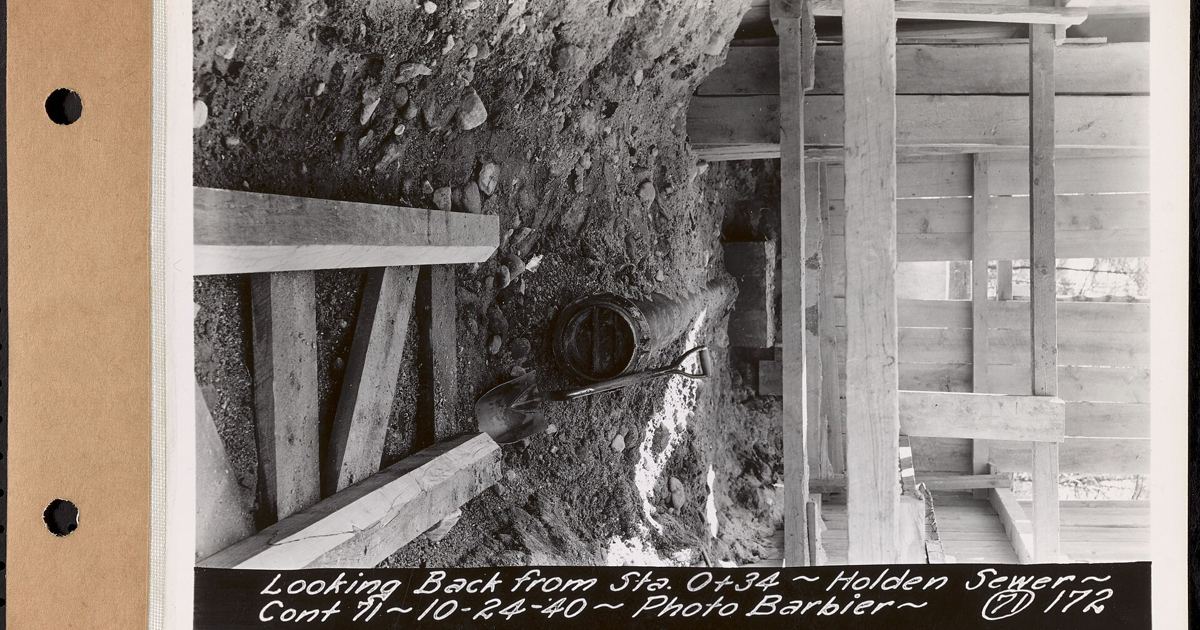
Estimating site utilities, foundation footings, and interior ground-floor trenching requires a working command of safety terminology. Regulatory definitions establish specific technical thresholds that directly shape your equipment rental line items, labor qualifications, and submittal budgets. Under 29 CFR 1926.650, federal standards outline the legal definitions applicable to all open excavations made in the earth's surface. Here is how five widespread bidding myths stack up against the actual regulatory text.
Myth 1: A Wide Excavation Cannot Become a Trench
Fact: Estimators often assume that an excavation only triggers trenching rules if the original machine cut is narrow. Under the standard, an excavation is any man-made cut, cavity, trench, or depression formed by earth removal. A trench excavation is defined as a narrow excavation where the depth is generally greater than the width, and the width measured at the bottom is not greater than 15 feet (4.6 m).
However, the definition explicitly adds that if forms or other structures are installed in an excavation so as to reduce the dimension from the forms or structure to the excavation side to 15 feet (4.6 m) or less (measured at the bottom of the excavation), the space is classified as a trench. Estimators pricing formwork or foundation walls inside a broad pit must carry trench safety items once form placement narrows the open width to 15 feet or less. For related bidding preparation, see the OSHA 29 CFR 1926.651: Excavation Requirements Bid Checklist.
Myth 2: Any Jobsite Foreman Satisfies the Competent Person Standard
Fact: A competent person cannot be designated simply by job title or general trade experience. Under 29 CFR 1926.650, a competent person is defined as someone capable of identifying existing and predictable hazards in the surroundings, or working conditions that are unsanitary, hazardous, or dangerous to employees, and who has authorization to take prompt corrective measures to eliminate them.
When compiling bid labor, estimators cannot merely allocate an unsupervised crew. The estimate must support dedicated supervisory time for someone who possesses both the technical capability to recognize excavation hazards and the clear organizational authority to halt operations or adjust protective measures immediately without waiting for offsite approval.
Myth 3: Shoring Systems and Trench Shields Are Interchangeable Terms
Fact: Shoring and shielding represent distinct protective systems with different operational designs and pricing structures. A shoring system—such as timber, mechanical, or aluminum hydraulic shoring—is a structure designed specifically to support excavation sides and prevent cave-ins. Aluminum hydraulic shoring uses pre-engineered hydraulic cylinders as crossbraces paired with vertical uprights or horizontal walers to actively exert force against the earth walls.
A shield system (commonly called a trench box or trench shield), by contrast, is a structure designed to withstand the forces imposed on it by an actual cave-in to protect employees working inside it. Shields do not necessarily prevent ground collapse; they protect workers if one occurs. Pricing an active hydraulic support system requires different equipment mobilization and handling labor than dragging a portable, premanufactured trench box along a utility run. Compare these approaches in OSHA 1926.652 Trench Protective Systems: Myths vs. Facts.
Myth 4: Soil Berms and Steel Ramps Are Bid Under the Same Category
Fact: Estimators pricing entry and egress must distinguish between general ramps and structural ramps. A ramp is any inclined walking or working surface used to gain access from one point to another, built of earth or structural materials like steel or wood. A structural ramp, however, is specifically built of steel or wood and is usually used for vehicle access. Ramps constructed of soil or rock are explicitly excluded from being structural ramps under 29 CFR 1926.650. Bids requiring heavy equipment ingress must include fabrication, rental, or timber framing costs for structural ramps rather than assuming an earthen slope will meet equipment access parameters.
Myth 5: Professional Engineers Must Be Licensed Locally for All Protective Systems
Fact: A registered professional engineer generally means an engineer registered in the state where the work is performed. However, 29 CFR 1926.650 includes an important exception: a professional engineer registered in any state meets the definition when approving designs for manufactured protective systems or tabulated data to be used in interstate commerce. When you bid premanufactured shoring or shield systems backed by manufacturer tabulated data charts, you do not need to carry local engineering fees to re-stamp standard tables, provided the equipment meets these interstate commerce parameters.
Key 29 CFR 1926.650 Terms That Drive Line-Item Costs
Every protective system estimate relies on components with specific definitions in the safety standard:
- Cave-in: The separation of soil or rock from the excavation face, or loss of soil under a shield or support system, and its sudden falling or sliding into the cut in quantities that could entrap, bury, or immobilize a worker.
- Kickout: The accidental release or failure of a cross brace, representing a critical structural hazard that system rigging must prevent.
- Wales: Horizontal members of a shoring system placed parallel to the excavation face whose sides bear against earth or vertical uprights.
- Cross Braces: Horizontal members installed perpendicular to excavation sides that bear against uprights or wales.
- Sheeting: Shoring members that retain earth in position; these are uprights placed closely spaced, in contact with, or interconnected to each other.
- Failure: Breakage, displacement, or permanent deformation of a structural member or connection that reduces supportive capabilities.
- Hazardous Atmosphere: An atmosphere that is explosive, flammable, poisonous, corrosive, oxidizing, irritating, oxygen deficient, toxic, or otherwise harmful.
- Stable Rock: Natural solid mineral material that can be excavated with vertical sides and remain intact while exposed, or unstable rock secured by rock bolts or engineered systems.
Sources
Regulatory definitions and standards referenced above derive from the official federal safety code:
- 29 CFR 1926.650 Scope, application, and definitions applicable to this subpart (Occupational Safety and Health Administration)
Published October 29, 2026. No affiliate links on this page. Facts come from the sources linked above; check them for updates.