Asbestos Rules in Renovation and Demolition Bids: A Comparison Guide
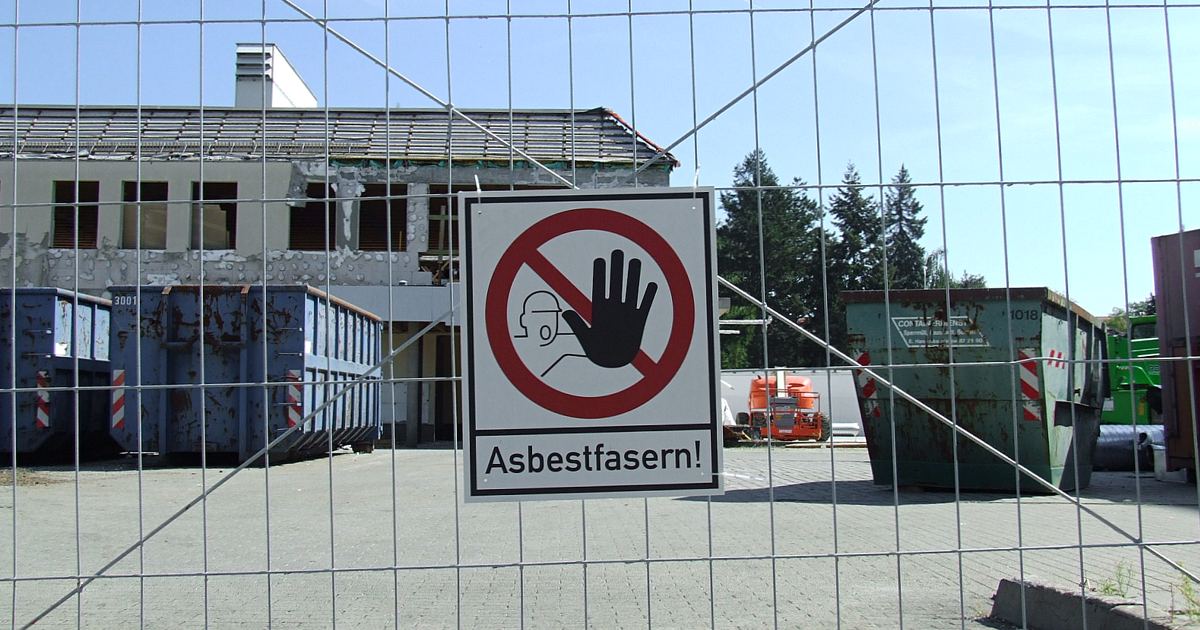
Estimators and commercial subcontractors pricing demolition, drywall removal, or structural alterations must navigate several overlapping federal regulations. Understanding the exact boundaries between environmental standards, worker protection mandates, and building classifications is essential when preparing project estimates. Failing to account for these distinctions can lead to misallocated labor, missing compliance steps, and unexpected project delays.
NESHAP vs. OSHA: Comparing Environmental and Workplace Scopes
Federal oversight of asbestos during construction splits primarily between ambient environmental protection and direct worker safety. Estimators must evaluate these two frameworks side by side when pricing renovation and tear-out activities:
- EPA Asbestos NESHAP (40 CFR Part 61, Subpart M): Authorized under Section 112 of the Clean Air Act, the National Emission Standards for Hazardous Air Pollutants focus on preventing airborne emissions outside the workplace. The regulations set strict operational practices under 40 CFR §61.145 for demolition and renovation, mandate air cleaning or zero visible emissions into outside air, and govern waste handling under 40 CFR §61.150. Review the comprehensive statutory framework on the EPA page on Asbestos Laws and Regulations.
- OSHA Construction Standard (29 CFR 1926.1101): While NESHAP governs emissions and community release, OSHA regulates conditions on the jobsite. The construction standard establishes permissible exposure limits, engineering controls, mandatory worker training, and personal protective equipment for demolition and renovation crews. Contractors can examine specific labor pricing factors in our OSHA 29 CFR 1926.1101 Asbestos Bidding Guide for Contractors.
- EPA Asbestos Worker Protection Rule (40 CFR Part 763, Subpart G): This rule extends OSHA-equivalent worker protections to state and local government employees who perform asbestos work but are not directly covered by federal OSHA standards.
Demolition vs. Renovation: Comparing Notification Triggers Under NESHAP
Under 40 CFR §61.145, the requirements for submitting advance project notifications differ significantly depending on whether the proposed scope is classified as a demolition or a renovation.
For demolitions, the building owner or operator must notify the designated state agency before beginning teardown operations on any covered structure, regardless of whether asbestos is known to be present. Demolition scopes carry an absolute notification duty across all applicable facilities.
For renovations, advance notification to the state agency is triggered only when the building contains a specified threshold volume of asbestos or asbestos-containing material. If planned modifications fall below that threshold amount, formal advance notification may not be triggered under the standard. Estimators reviewing project documents must verify whether planned interior gut-outs trigger demolition or renovation status to avoid scheduling bottlenecks.
Commercial and Public Structures vs. Four-Unit Residential Exclusions
Applicability also hinges on structural use and scale. Under the Asbestos NESHAP regulations, work practices apply across all structures, installations, and facilities, but the rule contains an explicit exclusion for residential buildings that have four or fewer dwelling units. A teardown of a detached home or four-plex does not fall under NESHAP work practices in the same manner as a multi-family complex with five or more units or a retail space.
Furthermore, training and accreditation rules depend heavily on facility types. The Asbestos Hazard Emergency Response Act (AHERA), codified under Title II of the Toxic Substances Control Act (TSCA), originally directed the inspection of school buildings and established management plans for local educational agencies. However, the Asbestos School Hazard Abatement Reauthorization Act (ASHARA) subsequently directed the agency to increase training hours under the Asbestos Model Accreditation Plan and expanded accreditation mandates beyond schools to encompass all public and commercial buildings.
Recent TSCA Prohibitions vs. Historical Bans
Bidders frequently encounter confusion regarding which materials remain legal and which are banned. On July 12, 1989, a final rule attempted to ban most asbestos-containing products, but the Fifth Circuit Court of Appeals overturned that regulation in 1991, leaving only a limited group of products prohibited at that time.
Current restrictions feature renewed prohibitions under updated statutes:
- Chrysotile Asbestos Prohibition: On March 28, 2024, a final rule under TSCA Section 6(a), codified at 40 CFR Part 751, subpart F, prohibited the manufacture, import, processing, distribution in commerce, commercial use, and disposal of chrysotile asbestos.
- TSCA Section 8(a)(1) Reporting: Entities that manufactured, imported, or processed asbestos within the last four years were required to submit exposure and volume data during a designated window from February 24, 2024, to May 24, 2024.
- Discontinued Uses Rule (40 CFR Parts 9 and 721): Requires a minimum 90-day advance notice before any person resumes manufacturing, importing, or processing discontinued asbestos products.
- Consumer Product Safety Commission Bans: The CPSC enforces bans on patching compounds under 16 CFR Part 1304, emberizing materials under 16 CFR Part 1305, and general-use garments containing asbestos under 16 CFR § 1500.17(a)(7).
Federal law formally defines asbestos across six specific mineral varieties: chrysotile (serpentine), crocidolite (riebeckite), amosite (cummingtonite/grunerite), anthophyllite, tremolite, and actinolite. Superfund rules under CERCLA (40 CFR Part 302.4) also designate asbestos as a hazardous substance carrying reportable quantities.
Bid Day Setup: Managing Environmental Allocations
Estimators pricing competitive work must clearly distinguish regulated hazardous abatement from ordinary interior demolition. Because NESHAP compliance, state notifications, and accredited abatement contractors carry unique overhead expenses, estimators should clearly separate these obligations in the bid proposal. Utilizing structured bid exclusions and clarifications ensures the project team establishes who carries the testing, notification, and disposal burdens before work commences on site.
Sources
Published October 28, 2026. No affiliate links on this page. Facts come from the sources linked above; check them for updates.