Bidding C&D Debris: Questions to Ask the GC to Cut Disposal Costs
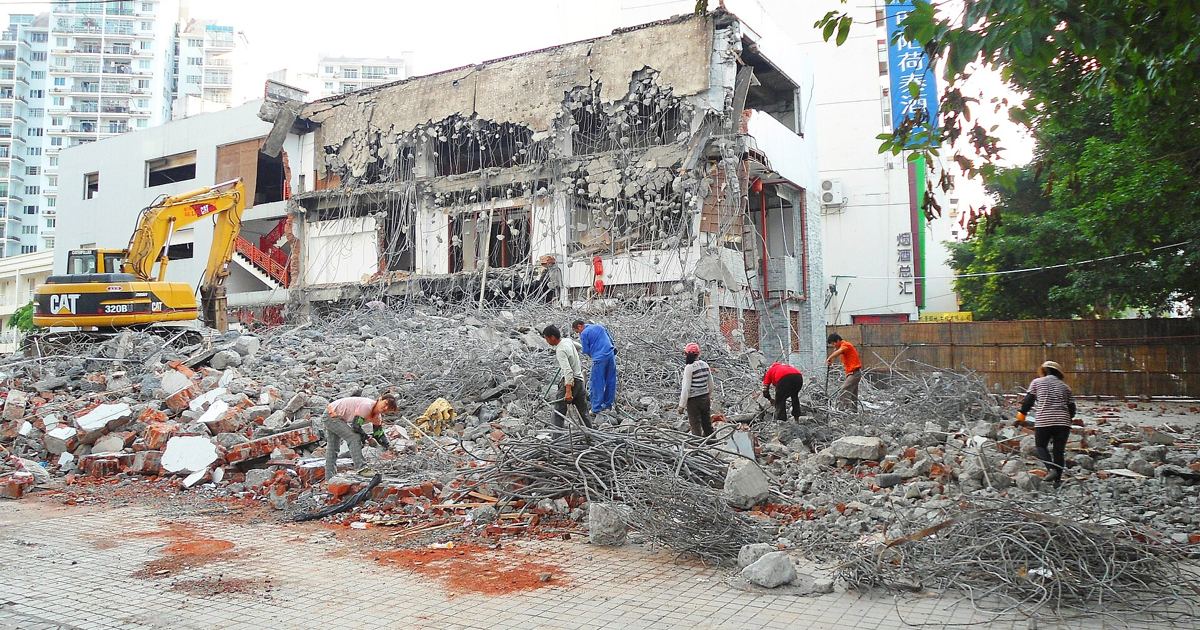
Debris disposal can quickly erode project margins for framing, drywall, and interior subcontractors when waste responsibilities remain vague during preconstruction. Construction and demolition materials consist of debris generated during the construction, renovation, and demolition of buildings, roads, and bridges. According to the EPA Sustainable Management of Construction and Demolition Materials guidance, treating these materials as reusable commodities rather than trash helps projects avoid the expense of purchasing virgin materials and reduces hauling expenses. Before submitting a proposal, asking the general contractor pointed questions about site waste rules can protect your bid from unexpected disposal fees.
1. Who Furnishes the Dumpsters and Pays Haul-Off Fees?
Never leave dumpster logistics to chance. If a trade contractor assumes the general contractor supplies containers while the general contractor expects each trade to haul away its own scrap, the subcontractor faces unbudgeted tipping and container charges. Clarify whether waste disposal is part of the prime contractor's site management or if each bidder must carry individual hauling allowances. Stating these terms directly in your bid exclusions and clarifications eliminates ambiguity before contract award.
2. How Will Demolition Debris Be Handled Separately From Construction Scrap?
The scale of waste changes dramatically depending on whether a project involves selective removal or entirely new construction. When bidding projects that blend both scopes, ask the general contractor if demolition debris will be isolated from installation scrap. Federal data illustrates why this matters:
- In 2018, 600 million tons of C&D debris were generated in the United States, an amount more than twice the volume of generated municipal solid waste.
- Demolition accounts for more than 90 percent of total C&D debris generation, while construction represents less than 10 percent.
- Historical EPA studies showed that 136 million tons of building-related C&D materials were generated in 1996, rising to almost 170 million tons in 2003, when nonresidential sources accounted for 61 percent of the total. In that 2003 data, nonresidential demolition was the largest generating sector, followed by residential renovation.
If your crew performs demolition or deconstruction—the process of carefully dismantling structures to salvage components—ask whether selective demolition methods will be used to recover valuable items before bulk disposal begins.
3. What Onsite Reuse Opportunities Are Permitted by the Specifications?
EPA records show that just over 455 million tons of C&D debris were directed to next use in 2018, while just under 145 million tons were sent to landfills, with aggregate serving as the main next use. Onsite reuse reduces transportation costs and cuts the volume sent over commercial scales. Subcontractors should ask the general contractor whether specific cutoffs and scrap can be redirected within the structure:
- Wood cutoffs can be reused for cripples, lintels, and blocking to eliminate cutting full-length lumber, or chipped on site for mulch or groundcover. Accounting for this can directly influence the waste factors in takeoffs.
- Gypsum, the main component of drywall, can be de-papered and crushed for use in moderate quantities as a soil amendment where approved.
- Brick, concrete, and masonry can be processed on site as fill, subbase material, or driveway bedding.
- Excess insulation from exterior walls can be reused in interior walls as noise-deadening material.
- Leftover paint can be remixed for use in storage or garage areas, or applied as a primer coat on other projects.
4. Which Recyclers and Certified Facilities Are Designated for the Job?
Subcontractors should ask the prime contractor whether the project requires documented recycling streams and whether designated recycling facilities are established. According to the EPA C&D materials guide, metals such as steel, copper, and brass are valuable recyclable commodities, while concrete, asphalt, and rubble are routinely recycled into aggregate. In addition, EPA's 2016 Recycling Economic Information Report documented that recycling C&D materials created 175,000 jobs in 2012.
Because materials sent for recycling can occasionally be mismanaged, ask the general contractor if participating facilities comply with state and local regulations, maintain state licensing or registration, or carry third-party certification. Inquire as well whether easy-to-remove components—such as doors, hardware, appliances, and fixtures—can be salvaged for donation to qualified 501(c)(3) charities, which provides a tax benefit while diverting material from disposal facilities.
5. Can Supply Agreements Mandate Packaging Take-Backs?
Source reduction prevents waste before it reaches the jobsite, earning the highest priority in EPA waste management strategies. Ask the general contractor if site-wide purchasing agreements are being established to prevent excess packaging and materials from arriving at the gate. Cardboard packaging from home-building sites, while not classified as a C&D material, frequently enters mixed C&D streams where active recycling markets exist. Reaching agreements that allow packaging materials to be returned directly to suppliers eliminates container loads and avoids unnecessary disposal expenses.
Sources
Published October 29, 2026. No affiliate links on this page. Facts come from the sources linked above; check them for updates.