Bidding OSHA 1926.1203 Confined Space Rules: A Jobsite Walk-Through
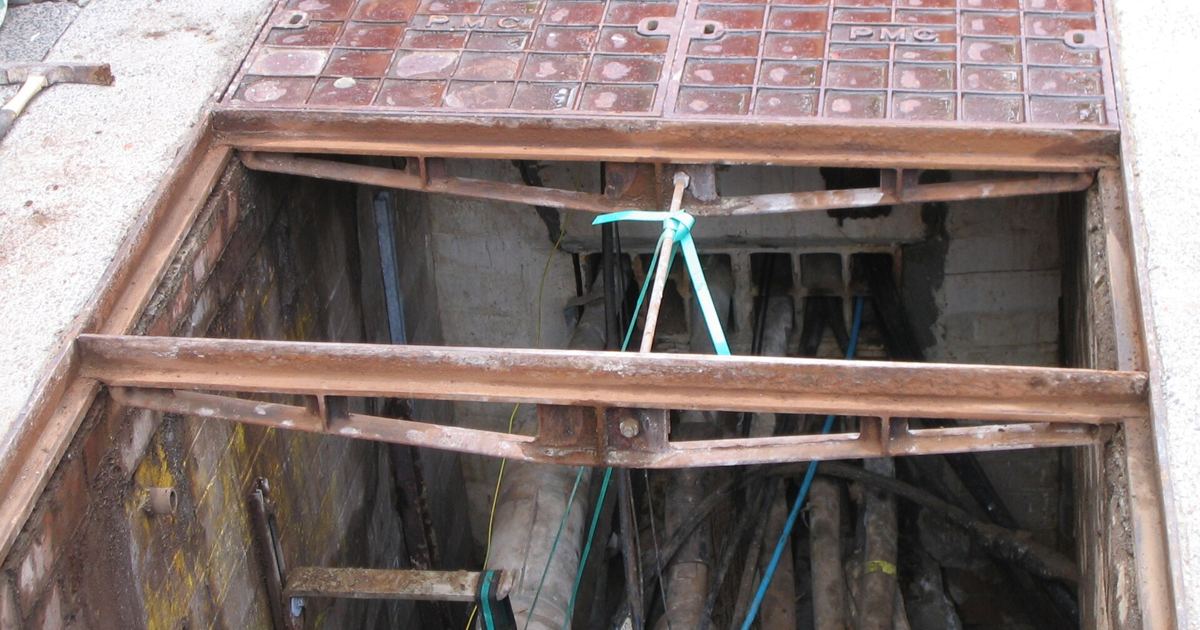
Imagine a trade contractor preparing an estimate for interior framing, drywall, and equipment installation inside a complex commercial facility. During the pre-bid review, the estimating team discovers that certain work takes place inside an underground vault and adjacent mechanical ductwork. Because these locations present restricted entry and potential atmospheric hazards, the project falls under OSHA Section 1926.1203. Properly pricing this scope requires understanding how general requirements for confined spaces influence crew productivity, safety gear, and project schedules.
Initial Evaluation by a Competent Person
Before any crew begins work on a jobsite, the standard mandates that each employer must ensure a competent person identifies all confined spaces in which directed employees may work. The competent person must determine whether each location is a permit space by evaluating the specific elements of the space, conducting testing whenever necessary.
For an estimating team, this pre-construction obligation cannot be treated as an afterthought. A competent person must dedicate time to inspect the worksite, review drawings, and perform initial testing before workers arrive. In an estimate, carrying line items for competent person inspection hours directly into general conditions estimating prevents safety oversight from eating into operating margins.
Danger Signage, Communication, and Unauthorized Entry
When an employer identifies a permit-required confined space, or receives notice that one exists, compliance triggers explicit communication duties across the jobsite:
- The employer must inform exposed employees by posting danger signs or by other equally effective means. A sign stating “DANGER—PERMIT-REQUIRED CONFINED SPACE, DO NOT ENTER” or similar wording satisfies this requirement.
- The employer must notify employees' authorized representatives and the controlling contractor about the existence, location, and danger of each permit space in a timely manner through a method other than posting.
- If the employer decides that employees will not enter the space, effective measures must be taken to prevent those employees from entering.
- If the employer authorizes employees to enter a permit space, a written permit space program complying with Section 1926.1204 must be implemented at the site and made available for inspection prior to and during operations.
Bidders who do not intend to enter confined spaces should still account for physical barriers to prevent unauthorized entry. Conversely, contractors entering the space must budget for drafting and implementing the written program.
Alternate Entry Procedures for Contractors
In our hypothetical scenario, suppose the crew must enter an underground space where all physical hazards can be isolated or eliminated through engineering controls, leaving only an actual or potential atmospheric hazard. Under OSHA Section 1926.1203, an employer may utilize alternate procedures instead of executing full permit programs under Section 1926.1204 through Section 1926.1211, provided continuous forced air ventilation alone keeps the space safe and entrants can exit safely if ventilation stops.
Implementing these alternate entry procedures involves specific field steps that bidders must incorporate into their task schedules:
- Unsafe conditions making it dangerous to remove an entrance cover must be eliminated before the cover is removed.
- Once covers are removed, openings must be immediately guarded with a railing, temporary cover, or temporary barrier to stop accidental falls and protect workers below from falling objects.
- Before entry, the internal atmosphere must be tested using a calibrated direct-reading instrument in a mandatory order: oxygen content, flammable gases and vapors, and potential toxic air contaminants. Entrants or their representatives must be offered the opportunity to observe this pre-entry testing.
- Continuous forced air ventilation from a clean source must be directed to immediate work areas and run until all employees exit.
- The atmosphere must be continuously monitored with an alarm or frequent manual checks, ensuring ventilation prevents hazardous atmospheric buildup.
- A written certification containing the date, space location, and signature of the certifying person must verify safe entry conditions before work starts.
Equipment Hoisting and Space Reclassification
If the hypothetical vault requires vertical access, safety rules dictate strict hoisting controls. Any hoisting system used must be designed and manufactured for personnel hoisting. If a crew utilizes a job-made hoisting setup, it is permissible only when approved for personnel hoisting in writing by a registered professional engineer prior to use. Estimators must include certified personnel hoists or engineer approval costs rather than relying on standard material hoists.
Additionally, a competent person can reclassify a permit space as a non-permit confined space only if all atmospheric and physical hazards are completely eliminated or isolated without entry, or eliminated during entry conducted under Section 1926.1204 through Section 1926.1211. The competent person must document this determination with a signed and dated written certification. If hazards arise during work, entrants must exit immediately, and the space must be reevaluated.
Multi-Employer Coordination and Scheduling Impacts
Federal safety rules emphasize coordination between project tiers. The host employer must provide known permit space details and previous precautions to the controlling contractor. The controlling contractor must then pass this data to entry employers and any trade whose jobsite activities could create hazards in the space.
Before entry, the subcontractor must obtain this hazard information and inform the controlling contractor of the permit space program being followed, including any hazards created by the trade work. When multiple entities work simultaneously, or when outside trade activities could endanger entrants, operations must be coordinated. After operations finish, debriefs must take place between the entry employer, controlling contractor, and host employer. Including clear assumptions in bid exclusions and clarifications protects trade contractors from schedule delays caused by uncoordinated site entries.
Sources
Published October 28, 2026. No affiliate links on this page. Facts come from the sources linked above; check them for updates.