Bidding OSHA 29 CFR 1926.1126: Hexavalent Chromium Rules
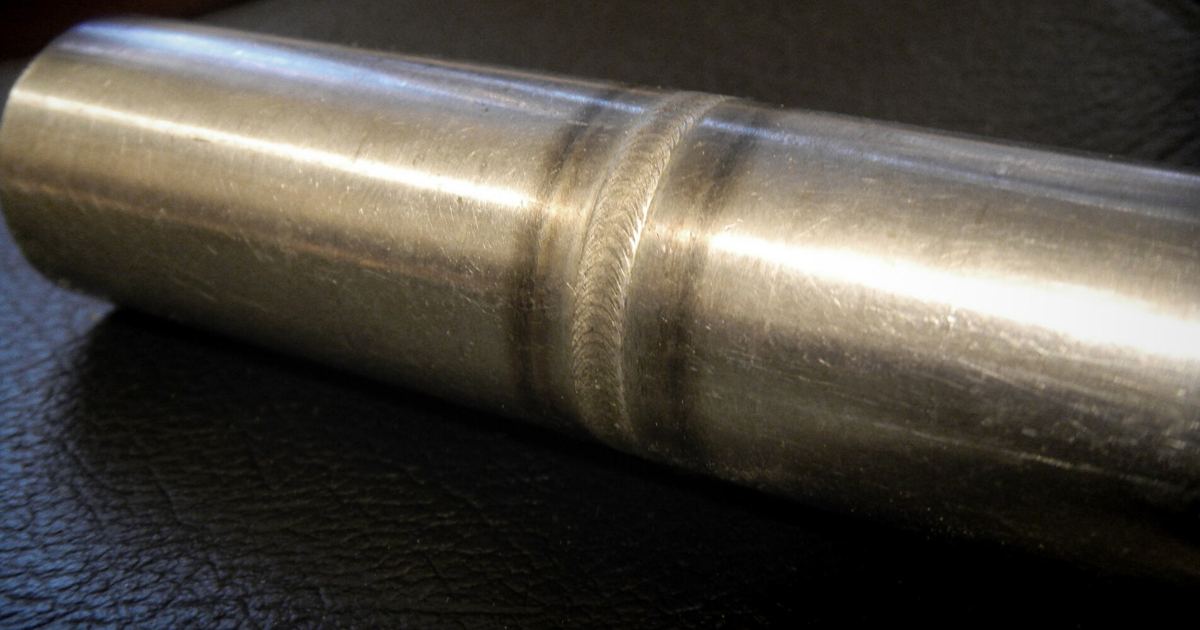
Hexavalent chromium—designated chemically as chromium (VI) or Cr(VI) with a valence of positive six—presents serious health hazards on construction jobsites, particularly during hot work on stainless steel and alloy steels. Estimators and trade contractors must know how 29 CFR 1926.1126 regulates airborne chromium exposure, what operations are excluded, and how required air sampling, hygiene stations, and engineering controls affect project estimates and schedules.
Scope, Key Exemptions, and the Portland Cement Rule
OSHA standard 29 CFR 1926.1126 applies to all occupational exposures to chromium (VI) across construction operations, but it includes three explicit exceptions that estimators must identify before pricing compliance:
- Portland cement: Exposures to portland cement are explicitly exempt from the requirements of this standard under paragraph (a)(3).
- Regulated pesticides: The standard does not cover exposures occurring during pesticide applications regulated by the EPA or other federal agencies, such as preservative wood treatment.
- Objective data under 0.5 µgm/m³: Operations where the employer maintains objective data showing materials or tasks cannot release chromium (VI) dusts, fumes, or mists at or above 0.5 micrograms per cubic meter of air (0.5 µgm/m³) as an 8-hour time-weighted average (TWA) under expected operating conditions.
While masonry and concrete crews handling portland cement look elsewhere for safety rules, steel erectors, mechanical contractors, and miscellaneous metal subcontractors performing welding or thermal cutting on chromium-bearing alloys fall directly under the rule.
Exposure Limits and Air Monitoring Schedules
Compliance costs hinge on two federal thresholds defined in 29 CFR 1926.1126: an action level of 2.5 µgm/m³ and a permissible exposure limit (PEL) of 5 µgm/m³, both measured as an 8-hour TWA. Employers must characterize full-shift exposure for each job classification on every shift using personal breathing zone air samples representing the highest expected exposure profiles.
Air monitoring requirements follow strict intervals depending on test results:
- Below the action level (< 2.5 µgm/m³): The contractor may discontinue monitoring for those represented employees.
- At or above the action level (≥ 2.5 µgm/m³): Periodic air monitoring must occur at least every 6 months. Discontinuing monitoring requires an initial result below 2.5 µgm/m³ confirmed by a second test taken at least 7 days later.
- Above the PEL (> 5 µgm/m³): Air monitoring must be repeated at least every 3 months.
Contractors can also utilize a performance-oriented option that relies on objective data, prior air sampling, or historical monitoring data gathered before May 30, 2006, provided the workplace processes closely match current operations. When air monitoring is conducted, measurement methods must maintain an accuracy of plus or minus 25 percent (±25%) with a 95 percent statistical confidence level.
Engineering Controls, Worker Rotation Bans, and the 30-Day Rule
When exposures exceed the 5 µgm/m³ PEL, the standard mandates feasible engineering and work practice controls to pull levels down. However, estimators should note a critical task-duration provision: if the contractor demonstrates that a task does not expose any employee above the PEL for 30 or more days in any consecutive 12-month period, engineering controls are not mandatory for that task, and respiratory protection can be used instead.
Contractors cannot spread exposure across a crew to skirt compliance. The regulation specifically prohibits rotating employees between tasks to satisfy the 8-hour PEL. If controls fail to bring concentrations to or below 5 µgm/m³, or while engineering systems are being installed, an employer must supply respirators backed by a complete respiratory protection program under 29 CFR 1910.134.
Protective Clothing, Hygiene, and Site Facilities
Where skin or eye contact hazards exist, personal protective clothing and equipment must be provided at no cost to workers. Removing chromium dust from clothing by shaking, blowing, or other methods that disperse dust into the air or onto skin is strictly prohibited. Contaminated items must be taken off at the end of the shift or upon completing the task—whichever happens first—and stored in sealed, impermeable containers labeled under the Hazard Communication Standard (29 CFR 1910.1200).
These requirements demand site logistics allowances. In line with OSHA 29 CFR 1926.51 sanitation rules, employers must provide change rooms featuring separate storage facilities for street clothes and protective gear to stop cross-contamination, as well as accessible hand- and face-washing stations. Employees must wash prior to eating, drinking, using the toilet, smoking, or applying cosmetics.
Pricing Hexavalent Chromium Compliance into Your Estimate
Accounting for Cr(VI) in bids requires itemizing compliance tasks directly in your estimate rather than absorbing them into markup. Bidders should evaluate the following cost and schedule factors:
- Monitoring expenses: Carry industrial hygiene sampling allowances for baseline testing and 3-month or 6-month cycles whenever working with stainless steel welding or alloy cutting.
- Site setup in general conditions estimating: Include dedicated wash stations, impermeable waste disposal containers, and dual-compartment change facilities.
- Schedule notification windows: Employers must issue written exposure determination notices to affected employees within 5 work days after results are determined. If tests show readings above the PEL, the notification must document the corrective action plan.
- Maintenance and laundering: Carry replacement clothing and professional cleaning contracts that prevent Cr(VI) release.
Sources
Occupational Safety and Health Administration. 29 CFR § 1926.1126 Chromium (VI). Code of Federal Regulations.
Published October 28, 2026. No affiliate links on this page. Facts come from the sources linked above; check them for updates.