Bidding Trench Safety: Hazard Planning and Protection Costs
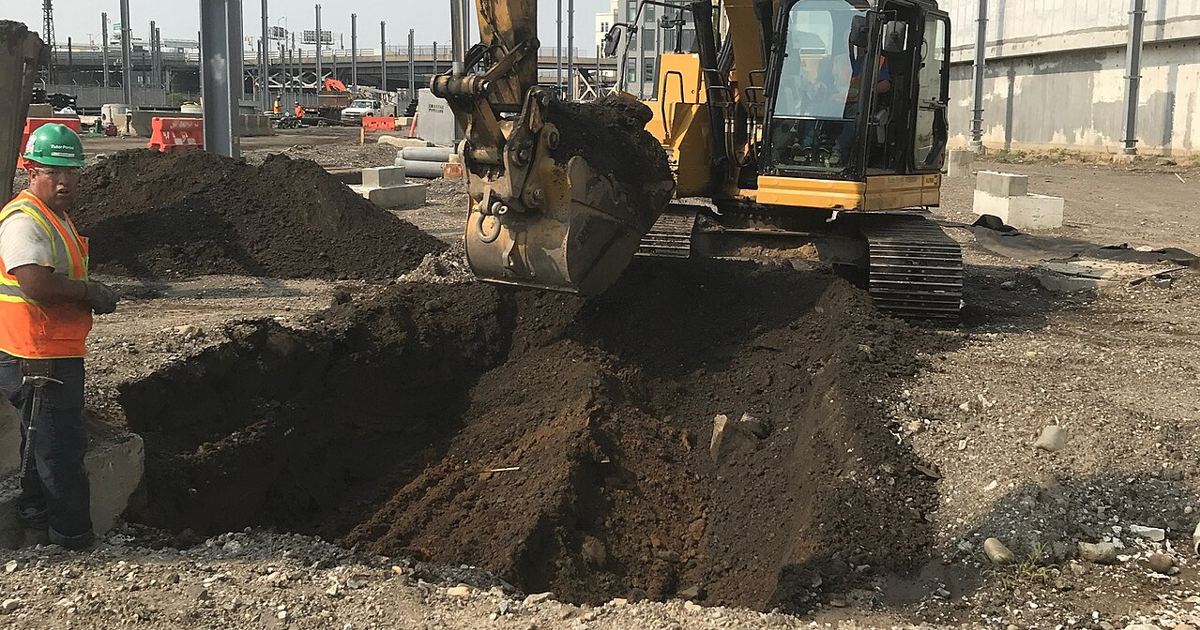
Excavation work introduces serious site risks that estimators and project planners cannot afford to treat as afterthoughts. When pricing ground disturbance, utility runs, or building perimeter digs, budgeting for physical protection systems and daily safety controls is essential for maintaining project margins and protecting field crews.
Understanding the Primary Hazard: Cave-Ins
According to the OSHA Trenching and Excavation Overview, trench collapses, or cave-ins, pose the greatest risk to workers' lives during excavation operations. Trench collapses can be deadly, prompting OSHA to maintain an active National Emphasis Program (NEP) documented under OSHA Directive CPL 02-00-161 to identify and reduce hazards likely to cause serious injuries and fatalities.
When preparing bids, estimators must account for the reality that protective measures are non-negotiable under federal standards. OSHA focuses its enforcement through 29 CFR 1926 Subpart P, specifically including:
- 29 CFR 1926.650
- 29 CFR 1926.651
- 29 CFR 1926.652
Reviewing our breakdown on OSHA 29 CFR 1926.651 Excavation Requirements can help estimators align bid items with these standard baseline criteria.
The Three Protective System Strategies: Slope, Shore, or Shield
OSHA outlines three core methods to prevent cave-ins on site: "Slope It. Shore It. Shield It." Your estimate must price the specific method suited to the site conditions rather than carrying a blanket assumption:
- Sloping or Benching: Slope or bench trench walls to cut back the face of the cut at an angle inclined away from the excavation.
- Shoring: Shore trench walls by installing engineered supports to prevent soil movement.
- Shielding: Shield trench walls using trench boxes and protective cages to protect personnel working within the trench space.
Selecting the right protective system requires conducting soil analysis to determine appropriate sloping, benching, and shoring designs. For a deeper look at protective selection rules, check our guide on OSHA 1926.652 Trench Protective Systems.
Safe Ingress, Egress, and Edge Management
Bid line items must account for safe worker access and surface perimeter control. Employers are required to ensure there is a safe way to enter and exit the trench. If field crews do not have designated access setups included in the plan, productive work halts or dangerous improvised setups occur.
Additionally, jobsite staging must keep materials away from the edge of the trench. Stockpiling excavated spoils or staging pipe and equipment directly beside an open cut increases soil pressure and raises the risk of falling objects striking workers below. Estimators should budget for sufficient right-of-way and machine time to maintain clear setback zones.
Evaluating Environmental, Atmospheric, and Inspection Hazards
Environmental and site conditions can rapidly alter trench safety. Before allowing personnel to descend into an excavation, supervisors must confirm the installation is ready:
- Check for Water: Crews must look for standing water, which weakens trench walls and destabilizes soils.
- Evaluate the Air: Testing must look for atmospheric hazards that can develop in low, enclosed trench environments.
- Mandate Daily Inspections: Workers must never enter a trench unless it has been properly inspected.
- Train the Crew: Employees should be trained on all trenching hazards before beginning work in the field.
Aligning Estimates with National Safety Campaigns
OSHA actively reinforces excavation awareness through events such as the 2026 Trench Safety Stand Down, scheduled for June 15-19. Technical enforcement directives such as OSHA Directive CPL 02-00-165, which provides the compliance directive for the excavation standard under 29 CFR 1926 Subpart P, govern how agency inspectors evaluate jobsite compliance. Contractors who price appropriate shoring hardware, access equipment, soil testing, and crew training directly into their estimates protect both worker safety and bottom-line bid performance.
Sources
OSHA Trenching and Excavation - Overview | Occupational Safety and Health Administration
Published October 28, 2026. No affiliate links on this page. Facts come from the sources linked above; check them for updates.