Concrete and Masonry Scope and Definitions: 29 CFR 1926.700 Bid Guide
Estimating concrete and masonry packages requires a firm grasp of regulatory scope and terminology. When trade contractors assemble labor, material, and equipment numbers, confusion over basic terms can lead to disputed work boundaries or missed site protections. Federal safety regulations establish specific operational meanings that dictate how structural supports, work zones, and handling methods must be treated on jobsites covered under construction standards.
Scope and Governing Rules Under Subpart Q
The baseline scope for concrete and masonry operations is established under 29 CFR 1926.700. Paragraph (a) dictates that subpart Q sets forth requirements designed to protect all construction employees from hazards associated with concrete and masonry construction operations performed in workplaces covered under 29 CFR part 1926.
Estimators should recognize that subpart Q does not operate in isolation. In addition to the specialized rules contained within this subpart, other relevant provisions in parts 1910 and 1926 apply directly to concrete and masonry operations. Furthermore, the general definitions found in OSHA 29 CFR 1926.32 Definitions: Bidding Myths vs. Facts serve as the foundation, while § 1926.700(b) introduces specific operational terms that govern concrete framing, support maintenance, and wall building.
Support Systems: Formwork, Shores, and Reshoring
Temporary support assemblies represent a major cost driver in cast-in-place concrete estimates. Standard 29 CFR 1926.700 establishes exact definitions for the components that keep unhardened structures stable:
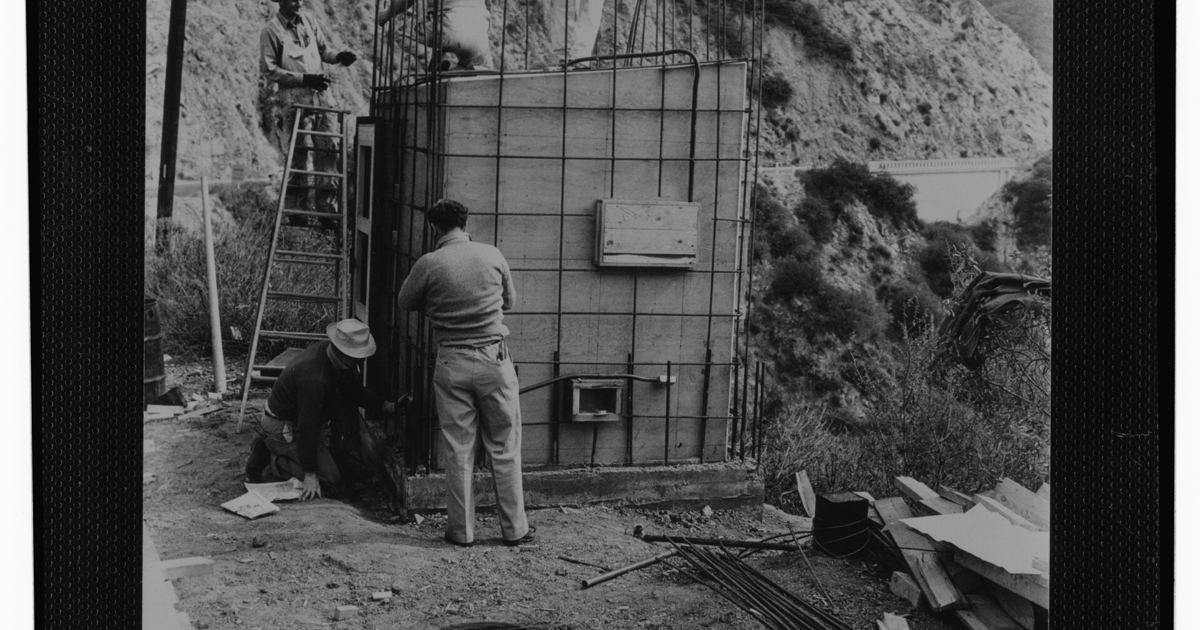
- Formwork: Defined as the total system of support for freshly placed or partially cured concrete. This comprehensive definition includes the mold or sheeting (form) in direct contact with the concrete, alongside all supporting members such as shores, reshores, hardware, braces, and related hardware.
- Shore: Identified specifically as a supporting member that resists a compressive force imposed by a load.
- Reshoring: Refers to the construction operation in which shoring equipment (also termed reshores or reshoring equipment) is placed as original forms and shores are removed, serving to support partially cured concrete and active construction loads.
When bidding formwork packages, estimating teams must recognize that shoring and reshoring hardware fall directly under the regulatory umbrella of the complete formwork system rather than being treated as detached ancillary items.
Masonry Enclosures: The Limited Access Zone
Masonry bids involve unique spatial considerations when erecting unbraced block or brick assemblies. Section 1926.700(b) defines a limited access zone as an area alongside a masonry wall which is under construction, and which is clearly demarcated to limit access by employees.
Understanding this definition is critical during takeoff and planning. Because access alongside rising walls must be restricted through clear demarcation, trade contractors often incorporate these perimeter controls into their proposal scope. Documenting who provides, sets up, and maintains these boundary delineations can be resolved early through clear bid exclusions and clarifications.
Specialized Slab Elevation and Jacking Operations
Modern concrete projects frequently utilize advanced structural placement techniques rather than standard stationary framing. The regulation outlines specific terms governing these lifting systems:
A lift slab describes a method of concrete construction where floor and roof slabs are cast on or at ground level and subsequently lifted into position using jacks. A jacking operation encompasses the task of lifting a slab (or group of slabs) vertically from one location to another. This includes moving slabs from their initial casting location to a temporary parked position, shifting them between temporary locations, or lifting them to their final structural elevation where the lift-slab process is utilized.
Additionally, the standard defines vertical slip forms as forms which are jacked vertically during the placement of concrete. Bidders pricing continuous pours or vertical shaft forming must account for the mechanical jacking assemblies intrinsic to these form types.
Manufactured Components and Finishing Gear
Beyond poured slabs and walls, § 1926.700 defines pre-manufactured structural members and common hand finishing tools:
Precast concrete refers to concrete members—such as walls, panels, slabs, columns, and beams—which have been formed, cast, and cured prior to final placement in a structure. Clarifying precast handling versus site-cast operations ensures that equipment for rigging, transport, and temporary bracing matches the true state of the member upon arrival.
Finally, the standard defines a bull float as a tool used to spread out and smooth concrete. While a basic finishing tool, its inclusion under the formal definitions of 29 CFR 1926.700 anchors the specific scope of finishing gear used during slab placement operations.
Sources
Regulatory definitions and scope provisions are taken from the following official source:
Published October 29, 2026. No affiliate links on this page. Facts come from the sources linked above; check them for updates.