Subcontractor Mistakes Under OSHA Process Safety Management Rules
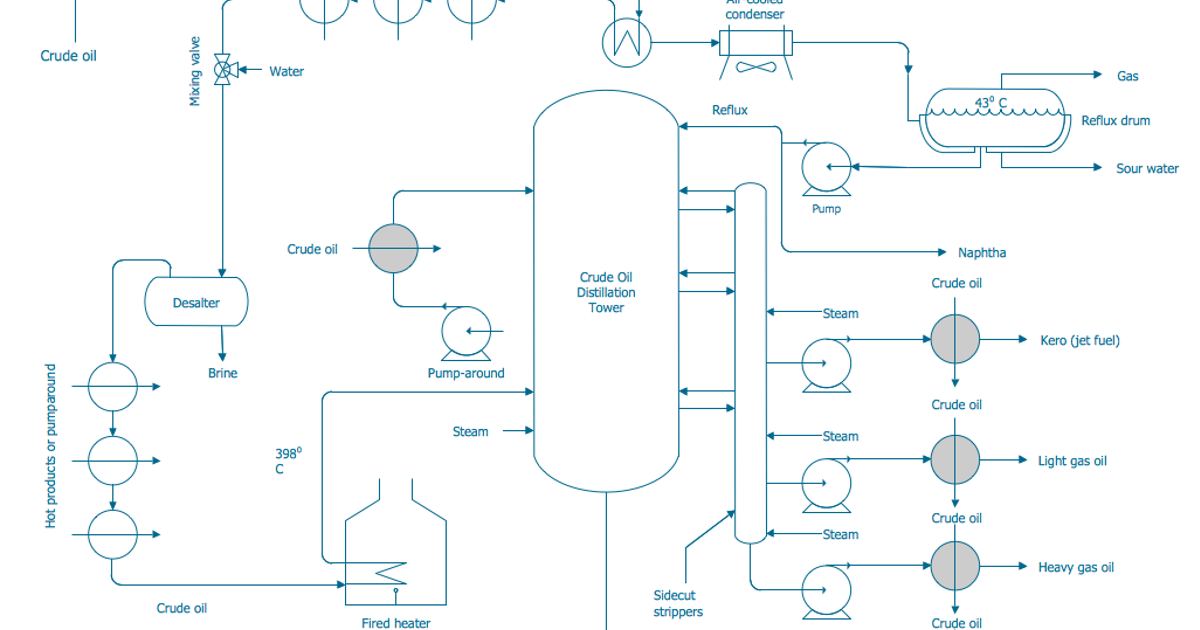
Subcontractors mobilizing for framing, drywall, ceiling installation, or maintenance work inside chemical processing plants and refineries frequently approach jobsite safety like an ordinary commercial project. However, industrial facilities containing highly hazardous chemicals are governed by strict federal standards designed to prevent catastrophic releases—defined as major uncontrolled emissions, fires, or explosions. Navigating these industrial projects requires understanding eCFR 29 CFR 1910.119, where contractor compliance mistakes can lead to abrupt stop-work orders, costly project disruptions, or severe site hazards.
Mistake 1: Assuming Safe Work Practices Apply Only to Plant Employees
A frequent error among trade subcontractors is assuming process safety mandates apply strictly to facility operators. Under 29 CFR 1910.119(f)(4), the employer must develop and implement safe work practices to provide control of hazards during critical activities. These operations include lockout/tagout, confined space entry, opening process equipment or piping, and controlling entrance into a facility by maintenance, contractor, laboratory, or other support personnel. The standard explicitly mandates that these safe work practices shall apply to employees and contractor employees alike.
When trade crews arrive on site without accounting for mandatory facility orientations, access control steps, and equipment opening coordination, daily productivity collapses. Estimators must account for these non-productive hours and administrative steps when pricing project general conditions during bid preparation.
Mistake 2: Failing to Recognize What Constitutes a Covered Process
Trade contractors often fail to recognize when their work zone is legally part of a covered process. Under the standard, a process means any activity involving a highly hazardous chemical, including use, storage, manufacturing, handling, or on-site movement. Furthermore, any group of interconnected vessels, as well as separate vessels located such that a highly hazardous chemical could be involved in a potential release, are legally treated as a single process.
The standard applies when a facility maintains a chemical at or above specified threshold quantities, or involves a Category 1 flammable gas (as defined in 1910.1200(c)) or a flammable liquid with a flashpoint below 100 °F (37.8 °C) on site in one location in a quantity of 10,000 pounds (4535.9 kg) or more. Exceptions exist for hydrocarbon fuels used solely for workplace consumption as fuel (such as propane for comfort heating or gasoline for vehicle refueling) and certain flammable liquids stored in atmospheric tanks—tanks designed to operate from atmospheric pressure through 0.5 p.s.i.g. (3.45 Kpa)—kept below their normal boiling point at 14.7 pounds per square inch absolute (p.s.i.a.) (760 mm.) without chilling or refrigeration. It also excludes retail facilities, oil or gas well drilling or servicing operations, and normally unoccupied remote facilities. Assuming your crew is outside the boundary of a covered process without verifying interconnectivity can lead to severe site violations.
Mistake 3: Treating Hot Work as Standard Field Cutting and Welding
Trade crews regularly cut track, grind structural shapes, or weld framing clips without realizing these tasks trigger formal hot work restrictions. Under 29 CFR 1910.119(b), hot work is defined as work involving electric or gas welding, cutting, brazing, or similar flame or spark-producing operations. Within chemical and refining units containing flammable gases or low-flashpoint liquids, an unmanaged spark presents an immediate hazard.
Failing to factor hot work permit delays and fire-watch personnel into crew schedules frequently leads to disputes. To avoid carrying unbudgeted field hours, trade bidders should document strict permitting assumptions in their bid exclusions and clarifications before contract execution.
Mistake 4: Bypassing Process Safety Information and Hazard Analysis Reviews
Specialty contractors frequently work in process units without reviewing the facility's compilation of process safety information or process hazard analyses. Under 29 CFR 1910.119, employers must compile written information regarding chemical toxicity, permissible exposure limits, reactivity data, corrosivity data, and thermal and chemical stability data. They must also document equipment parameters such as ventilation system design, electrical classification, piping and instrument diagrams, and safety systems including interlocks and detection devices.
In addition, facilities establish process hazard analyses using structured evaluation methods to identify, evaluate, and control process hazards. These formal methodologies include:
- What-If
- Checklist
- What-If/Checklist
- Hazard and Operability Study (HAZOP)
- Failure Mode and Effects Analysis (FMEA)
- Fault Tree Analysis, or an appropriate equivalent methodology
These evaluations must be updated and revalidated at least every five (5) years by a qualified team. Under the employee participation rules in paragraph (c), employers must provide employees and their representatives access to these hazard analyses and related process safety information. Subcontractors who skip consulting this information risk placing their crews in areas with unrecognized atmospheric or reactivity hazards.
Mistake 5: Ignoring Facility Entrance Controls and Operating Phase Protocols
Under 29 CFR 1910.119(f)(4), safe work practices must control entrance into a facility by maintenance, contractor, laboratory, or other support personnel, as well as opening process equipment or piping. Additionally, written operating procedures address steps for each operating phase, including initial startup, normal operations, temporary operations, emergency shutdown, emergency operations, normal shutdown, and startup following a turnaround or after an emergency shutdown. Contractors unfamiliar with site alarms, entrance logs, or operating phases risk encroaching on active lines undergoing emergency operations or equipment opening.
Sources
eCFR 29 CFR 1910.119 - Process Safety Management of Highly Hazardous Chemicals
Published November 9, 2026. No affiliate links on this page. Facts come from the sources linked above; check them for updates.