Crane Equipment Modifications Under 29 CFR 1926.1434: A Step-by-Step Walkthrough
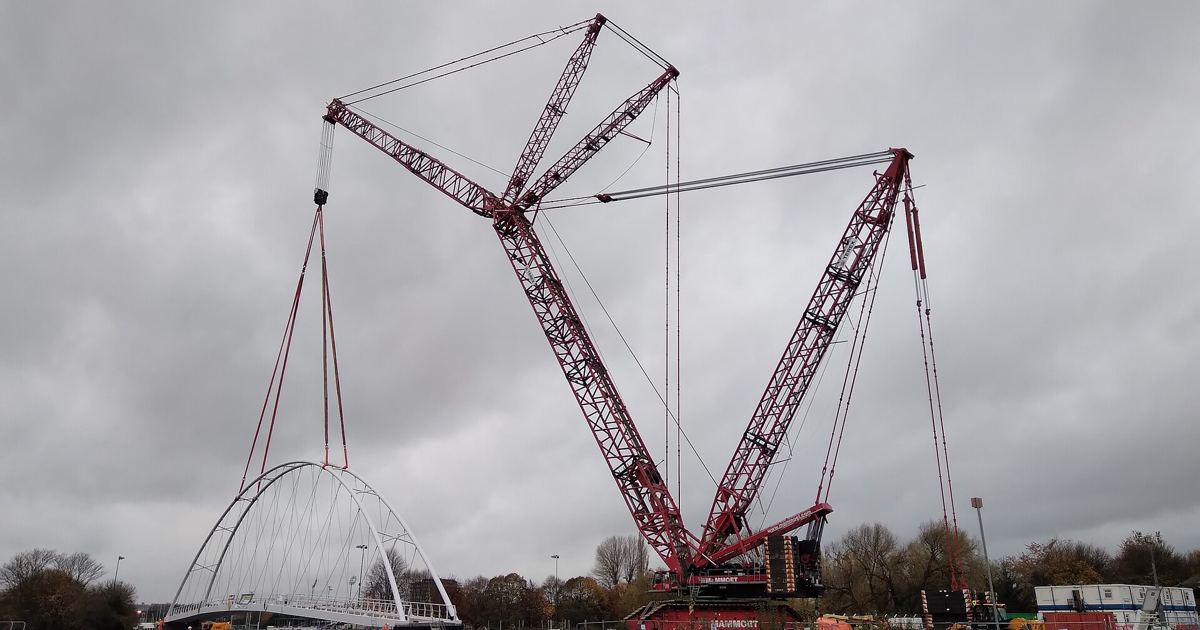
Jobsite lifting equipment often requires custom configurations or alterations to handle specific construction tasks. However, employers cannot make arbitrary changes to cranes and hoisting machinery. Under federal safety standards, altering lifting machinery requires strict adherence to technical review protocols. Here is a step-by-step walkthrough of the criteria established by 29 CFR 1926.1434 for approving modifications and additions safely and lawfully.
Step One: Determine if the Modification Affects Capacity or Safe Operation
The standard establishes a baseline prohibition: any additions or modifications that affect the capacity or safe operation of the equipment are prohibited unless specific review and approval criteria are met. Before altering any structure, hydraulic system, or mechanical component, project managers and equipment supervisors must determine if the proposed change impacts the machine's rated capacity or operating dynamics. When estimating setup and mobilization expenses under general conditions, contractors must account for the required administrative steps before modified equipment can touch work on site.
Step Two: Request Written Approval from the Original Manufacturer
The primary route for clearing equipment alterations is direct manufacturer review under paragraph (a)(1). To satisfy this requirement, the following conditions must be fulfilled:
- The manufacturer approves the modifications or additions in writing.
- The load charts, operational procedures, instruction manuals, and instruction plates, tags, or decals are updated as necessary to match the alteration.
- The original safety factor of the equipment is not reduced.
If the manufacturer provides written sign-off and the documentation is updated, the modified equipment may operate within those approved parameters.
Step Three: Track Response Deadlines if the Manufacturer Does Not Act
Manufacturers do not always complete engineering evaluations immediately. Under eCFR 29 CFR 1926.1434, employers may pursue an alternative engineering route when specific conditions arise:
- Manufacturer refusal or non-response within 30 days: If the employer delivers a detailed description of the proposed change and asks for approval, but the manufacturer declines to review the technical merits or fails within 30 days to acknowledge the request or start the review, the employer can move forward using an engineer.
- Review delays exceeding 120 days: If the manufacturer agrees to review the technical merits but fails to complete the review within 120 days of receiving the detailed description, an engineer may step in to complete the process.
- Unavailable manufacturer: If the original manufacturer is no longer in business or unavailable, alternative engineering approval is permitted.
Step Four: Obtain Registered Professional Engineer Approval
When the manufacturer refuses, fails to respond within 30 days, exceeds the 120 days review timeline, or is unavailable, paragraph (a)(2) allows an alternative review path. The work must be performed by a registered professional engineer who is a qualified person regarding the equipment involved. The engineer must:
- Approve the modification or addition in writing and explicitly specify the equipment configurations to which the approval applies.
- Modify load charts, operating procedures, instruction manuals, and instruction plates, tags, or decals to reflect the new configuration.
- Confirm that the original safety factor of the equipment is not reduced.
This process also applies under paragraph (a)(5) when equipment is designed for marine work sites and contains major structural components from more than one manufacturer.
Step Five: Evaluate Manufacturer Rejections and Military Exemptions
Not every manufacturer response permits an engineer override. Under paragraph (b), if the manufacturer conducts a technical review of the safety merits, rejects the proposal, and explains the reasons for that rejection in a written response, the modification remains strictly prohibited. Employers cannot bypass a substantiated technical rejection by hiring an outside engineer. However, if the manufacturer rejects the proposal without providing written reasons, the employer is allowed to treat that response as a refusal to review under paragraph (a)(2) and proceed with a registered professional engineer. If project alterations require extensive scope redesign, teams must follow standard procedures for pricing change orders to reflect delays or equipment substitutions.
Finally, under paragraph (c), the requirements of paragraphs (a) and (b) do not apply to equipment modifications made or approved by the U.S. military.
Sources
Electronic Code of Federal Regulations (eCFR) § 1926.1434 Equipment modifications
Published October 30, 2026. No affiliate links on this page. Facts come from the sources linked above; check them for updates.