Demolition Equipment on Floors: OSHA Section 1926.856 Explainer
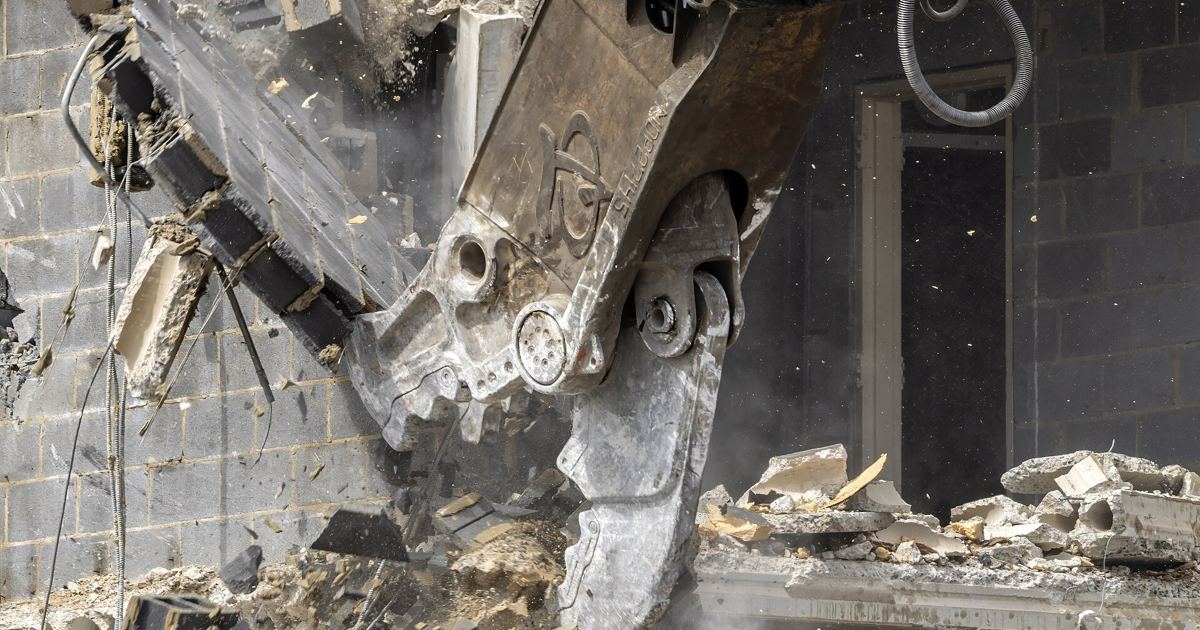
When general contractors, demolition contractors, or interior framing crews tear down walls, pull up slabs, or shift structural rubble using machinery, federal workplace safety rules set strict operating boundaries. Under eCFR Section 1926.856, safety standards mandate specific mechanical equipment controls during the removal of walls, floors, and materials. Overlooking these requirements during estimating can trigger floor overloads, catastrophic deck failures, machinery runoffs, and expensive project stoppages. Here is a clear Q&A guide detailing what the standard requires and how estimating teams must account for floor strength, edge protection, and mechanical equipment compliance in bids and construction schedules.
When Does Section 1926.856 Apply to Mechanical Demolition Work?
Section 1926.856 applies whenever mechanical equipment is utilized on floors or working surfaces during demolition operations to remove walls, floors, or general construction material. Unlike manual hand demolition, the introduction of mechanical equipment concentrates substantial weight, dynamic forces, and vibration onto building decks and elevated slabs.
Demolition operations involve dismantling, razing, destroying, or wrecking building elements. When machinery enters the floor plate to assist with that destruction, the standard places direct legal duties on employers to confirm that the surface beneath that machinery will not collapse and that openings are physically protected. For estimators, identifying mechanical removal during pre-bid plan reviews is vital for pricing necessary structural reviews and site controls, costs often captured while estimating general conditions.
What Are the Floor Strength and Imposed Load Rules?
Under the regulation, machinery cannot operate on elevated decks or working surfaces unless those structures have adequate strength to bear the imposed load. This rule directly addresses the risk of localized punching shear or total structural collapse beneath operating machines.
An imposed load includes more than just the base operating weight of a machine. It encompasses:
- The static weight of the mechanical equipment and all operational fluids.
- Specialized attachments such as hydraulic breakers, grapples, buckets, or shears.
- Dynamic forces generated when equipment travels, turns, lifts, drops materials, or hammers concrete.
- Accumulated piles of demolished masonry, wall framing, or concrete rubble resting on the deck adjacent to the machinery.
Because demolition involves unknown structural factors, including hidden deterioration or past structural modifications, bidders cannot guess at floor capacities. If an existing working surface lacks the strength to carry the imposed load, contractors must install temporary shoring, lay heavy timber mats to distribute weight, or switch to lighter manual demolition methods. Estimators must evaluate these structural realities early so shoring materials and labor are not omitted from the proposal.
How Must Contractors Guard Floor Openings Around Equipment?
Section 1926.856 requires contractors to install curbs or stop-logs at floor openings, ensuring that operating machinery cannot run over the edge. In active demolition projects, openings in elevated floors are created intentionally to drop debris into chutes or lower levels, while existing floor penetrations for shafts and stairwells remain hazardous drop-offs.
Standard visual warnings, light wood guardrails, or safety tape are insufficient to stop rolling machinery. The regulation requires physical curbs or stop-logs capable of halting the equipment before its tires or tracks travel over an edge. Bidders must determine who provides, installs, anchors, and moves these curbs as demolition proceeds across multiple floor levels. Subcontractors frequently detail these deck protection duties within their bid exclusions and clarifications to establish clear division of work between the trade contractor and the general contractor.
Which Mechanical Equipment Standards Must Employers Meet?
The standard mandates that for cranes, derricks, and additional mechanical machinery, employers have an obligation to satisfy all provisions set forth in subparts N, O, and CC. Compliance is not restricted to deck capacity alone; all mechanical machinery deployed in demolition must satisfy these overarching federal equipment subparts.
As set forth in the eCFR Section 1926.856 provisions, contractors must ensure full compliance for:
- Cranes utilized for hoisting, swinging, lowering, or pulling demolition components.
- Derricks set up for specialized rigging or material handling on structural decks.
- Other mechanical equipment engaged in dismantling walls, breaking slabs, or transporting debris across surfaces.
Estimators should confirm that all rented or company-owned mechanical units feature verified inspections, required mechanical safeguards, certified rigging hardware, and qualified operators satisfying subparts N, O, and CC before pricing machine hours into a bid.
How Should Estimators Account for Compliance in Bids and Schedules?
Achieving compliance with Section 1926.856 requires allowances for physical materials, specialized labor, and sequenced project schedules. Estimating teams should build these concrete steps into their workflow:
- Include line items for engineering evaluations or structural verifications of floor capacity before deploying heavy machinery.
- Price labor and materials to construct, anchor, and relocate timber stop-logs or steel curbs at all working floor openings.
- Carry allowances for structural shoring or weight-spreading deck pads when mechanical equipment loads approach slab limits.
- Budget operator qualifications, equipment inspections, and operating certifications required under subparts N, O, and CC.
- Structure demolition schedules to allow curb placement and shoring installation prior to equipment arrival on working decks.
Failing to account for these items in early bids leads either to dangerous field improvisations or to unbudgeted change requests when project safety personnel halt machinery. Pricing compliance into base bids preserves project margins and guarantees safe field production.
Sources
- eCFR: Section 1926.856 Removal of walls, floors, and material with equipment
- Demolition - Overview | Occupational Safety and Health Administration
Published October 28, 2026. No affiliate links on this page. Facts come from the sources linked above; check them for updates.