Differing site conditions: protecting your bid when the site surprises you
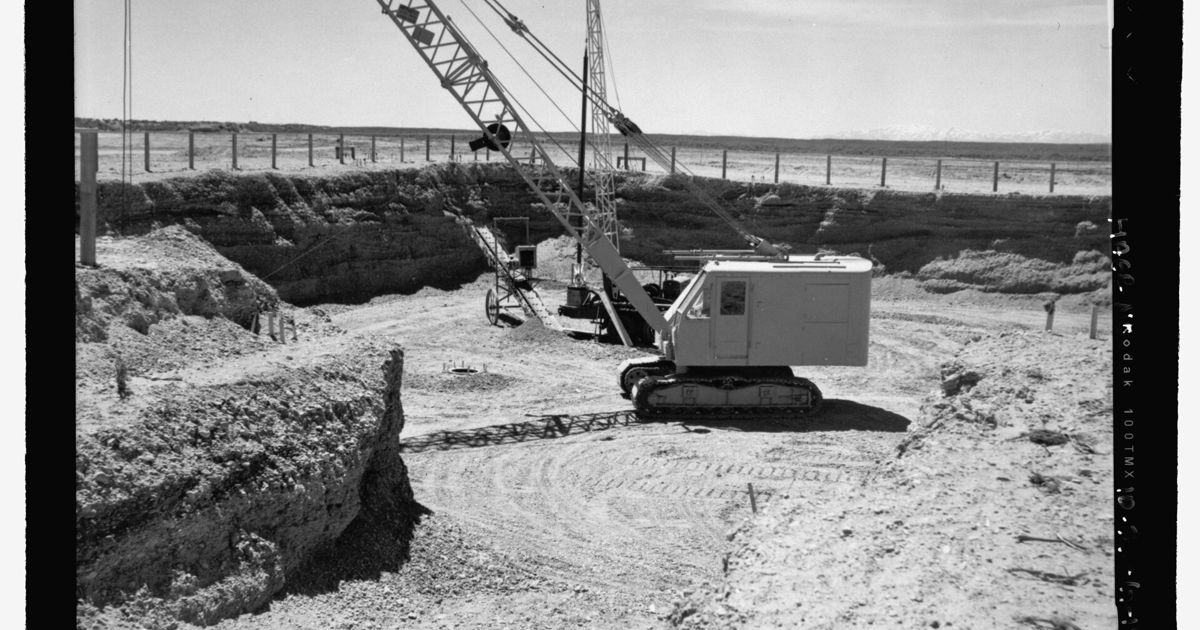
You price a job from the drawings, specs and whatever site visit you could manage. Then demolition opens a wall or excavation hits rock, water or old foundations nobody showed. Whether you get paid for the extra work often comes down to one clause and one step: written notice, before you disturb the conditions.
- A differing site conditions clause allows an equitable adjustment in price and time when the site differs materially from the contract or from what's normally encountered.
- Written notice must be given promptly and before the conditions are disturbed.
- The site investigation clause means you're still expected to price what a reasonable inspection would have shown.
The two kinds of differing conditions
The federal clause, FAR 52.236-2, Differing Site Conditions, is the model most construction contracts borrow from. It covers:
- Type I: "subsurface or latent physical conditions at the site which differ materially from those indicated in this contract." The contract documents showed one thing; the site has another.
- Type II: "unknown physical conditions at the site, of an unusual nature, which differ materially from those ordinarily encountered and generally recognized as inhering in work of the character provided for in the contract." The documents were silent, but what you found is unusual for this kind of work.
If the conditions do differ materially and change the cost or time of the work, "an equitable adjustment shall be made under this clause and the contract modified in writing accordingly." Note that the adjustment can go either way: a decrease in cost can lower the price too.
The notice rule that sinks claims
The clause requires the contractor to "promptly, and before the conditions are disturbed, give a written notice." No adjustment is allowed unless that notice was given (the contracting officer may extend the time), and no request is allowed after final payment. In practice:
- Stop work in the affected area if you can do so safely.
- Notify in writing the same day: what you found, where, how it differs from the documents, and that you're reserving your right to an adjustment.
- Photograph and measure before anything is moved or removed.
- Track costs separately from the first hour (labor, equipment, materials, standby time).
- Price the change like any other change order, with time as well as money (see pricing change orders).
As a sub, your notice usually goes to the GC, and your subcontract may set a shorter deadline than the prime contract. Read it before you start.
The other side: the site investigation clause
Most contracts pair the DSC clause with a site investigation clause. Under FAR 52.236-3, Site Investigation and Conditions Affecting the Work, the contractor acknowledges it has investigated "the general and local conditions which can affect the work or its cost," including access, utilities, weather and ground conditions, and "the character, quality, and quantity of surface and subsurface materials or obstacles" as far as a site inspection, government exploratory work and the drawings would reasonably show. Failing to investigate doesn't relieve you of "responsibility for estimating properly."
What that means for your estimate: visit the site, read every boring log and existing-conditions drawing, and write down what you saw. Anything a reasonable inspection would have revealed is probably on you. Anything hidden or contradicted by the documents is where the DSC clause protects you.
Bid-time checklist
- Is there a DSC clause in the prime contract, and does it flow down to you?
- Did you attend the site visit, and did you document conditions with dated photos?
- Do your exclusions and clarifications state what you assumed about concealed conditions (for example, "existing framing assumed plumb and sound")?
- Is your contingency sized for renovation risk you can't shift to the owner?
This is general information, not legal advice. Federal clauses are used here as a reference model; private and state contracts have their own terms. Have a construction attorney review anything you are unsure about.
Published October 29, 2026. We do not use affiliate links on this page; see our Affiliate Disclosure.