Electric Blasting Safety: 29 CFR 1926.906 Precautions
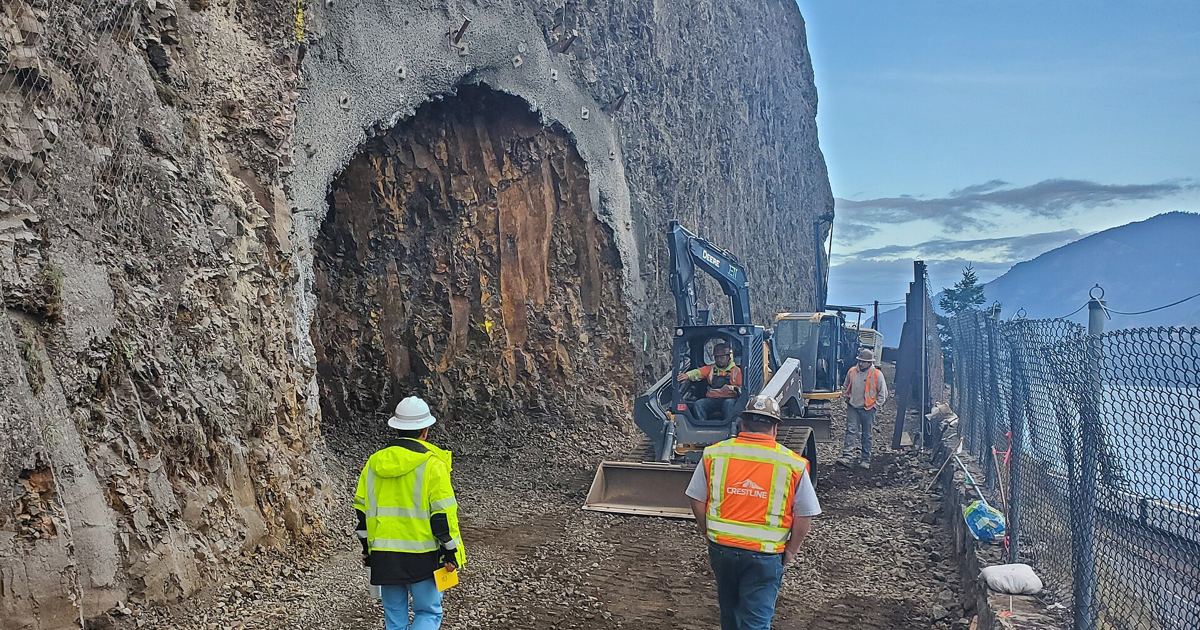
When blasting operations take place on a construction project, stray electrical currents, atmospheric disturbances, and utility infrastructure present immediate hazards. General contractors and specialty trade estimators must account for the operational boundaries established by federal safety standards. Under 29 CFR 1926.906, electric blasting procedures demand disciplined scheduling, physical site controls, and strict equipment verifications before any borehole loading begins.
Extraneous Currents and Site Survey Protocols
Extraneous electricity represents a severe hazard during electrical firing operations. Under federal rules, electric blasting caps must never be used where sources of extraneous electricity make their application dangerous. Before adopting any electrical firing system on a jobsite, the blaster must perform a thorough survey to identify extraneous currents. Every dangerous current identified during this survey must be eliminated before crews load any explosive charges into boreholes.
To protect against accidental initiation caused by stray energy, blasting cap leg wires must remain short-circuited, or shunted, until workers connect them directly into the firing circuit. Maintaining these shunts throughout handling and positioning shields the caps from unplanned electrical exposure during site preparation.
Overhead Power Lines and Wire Restraint Requirements
Blasting near energized overhead utilities requires physical precautions that estimators and field supervisors must coordinate into project logistics. When an explosion occurs, the upward force can launch leading lines and blasting wires skyward. If a possibility exists that wires could be thrown over a live powerline, specific preventive measures are mandatory under 29 CFR 1926.906.
Project personnel must ensure wire lengths cannot physically contact energized utilities, or they must anchor all wires firmly to the ground surface. If site constraints make both wire shortening and anchoring impossible, regulations require transitioning to a nonelectric firing system. Planning these physical restraints or alternative initiation methods early is essential when reviewing general conditions estimating for site excavation phases.
Underground Operations and the Lightning Gap
Subsurface excavation introduces distinct electrical requirements when power circuits are deployed for detonation. In underground operations where firing relies on a power circuit, safety switches must be placed at intervals along the permanent firing line. These switches must be made so that they can be locked only in the off position, and each switch must feature a short-circuiting arrangement connecting the firing lines to the cap circuit.
To protect against atmospheric electricity, underground installations must maintain an isolation lightning gap of at least 5 feet ahead of the main firing switch, positioned between the power source and the switch itself. Field personnel bridge this gap using a flexible jumper cord only right before initiating the blast, keeping the circuit decoupled until the moment of firing.
Power Circuit Isolation and Cap Uniformity
When firing electric blasting caps from a power circuit, grounding the circuit is prohibited. The power circuit used for firing must not be grounded. Furthermore, the firing switch must remain locked in the open or off position at all times, except when firing. The switch must be designed to short-circuit the firing lines to the cap circuit automatically when in the off position, and keys to this switch can be entrusted only to the blaster.
In any single blast using electric blasting caps, all caps must be of the same manufacture and share the same style or function. Firing lines must possess insulation that is adequate and in good condition. Connecting wires and lead wires must be insulated single solid wires of sufficient current-carrying capacity, while bus wires must also be solid single wires of sufficient capacity.
Blasting Machine Controls and Firing Sequences
Blasting machines must remain in good condition, and their efficiency must be tested periodically to verify that they deliver power at their rated capacity. Circuits connected to a machine must not exceed its rated capacity, and series circuits in primary blasting must contain no more caps than recommended by the cap manufacturer.
The blaster must remain in charge of the blasting machine, and no other person may connect the leading wires. When blasters test circuits to charged holes, they must use only blasting galvanometers or other instruments designed specifically for that purpose. All connections must run from the borehole back to the source of firing current. The person making leading wire connections is the only person permitted to fire the shot. Immediately following detonation, workers must detach the leading wires from the blasting unit and shunt them together. Capturing field adjustments through pricing change orders helps maintain budget alignment as blasting plans evolve.
Quick-Reference Electric Blasting Rules
Incorporate these core field mandates into pre-blast safety checklists and production schedules:
- Eliminate dangerous extraneous currents before loading holes following a thorough site survey.
- Keep blasting cap leg wires shunted until connection into the circuit.
- Use insulated single solid wires for connecting and lead lines, and solid single wires for bus lines.
- Anchor wires securely or limit wire length near live powerlines, or switch to a nonelectric system.
- Maintain a lightning gap of at least 5 feet ahead of the main underground firing switch, bridged by a flexible jumper cord just before firing.
- Ensure power firing circuits are never grounded and keep firing switches locked off with keys held solely by the blaster.
- Test charged circuits using only blasting galvanometers or specifically designed instruments.
- Disconnect and short-circuit leading wires immediately after firing from a machine.
Sources
eCFR: 29 CFR 1926.906 – Initiation of explosive charges—electric blasting
Published October 30, 2026. No affiliate links on this page. Facts come from the sources linked above; check them for updates.