Fall Protection Pre-Job Guide: What Subcontractors Must Ask the GC
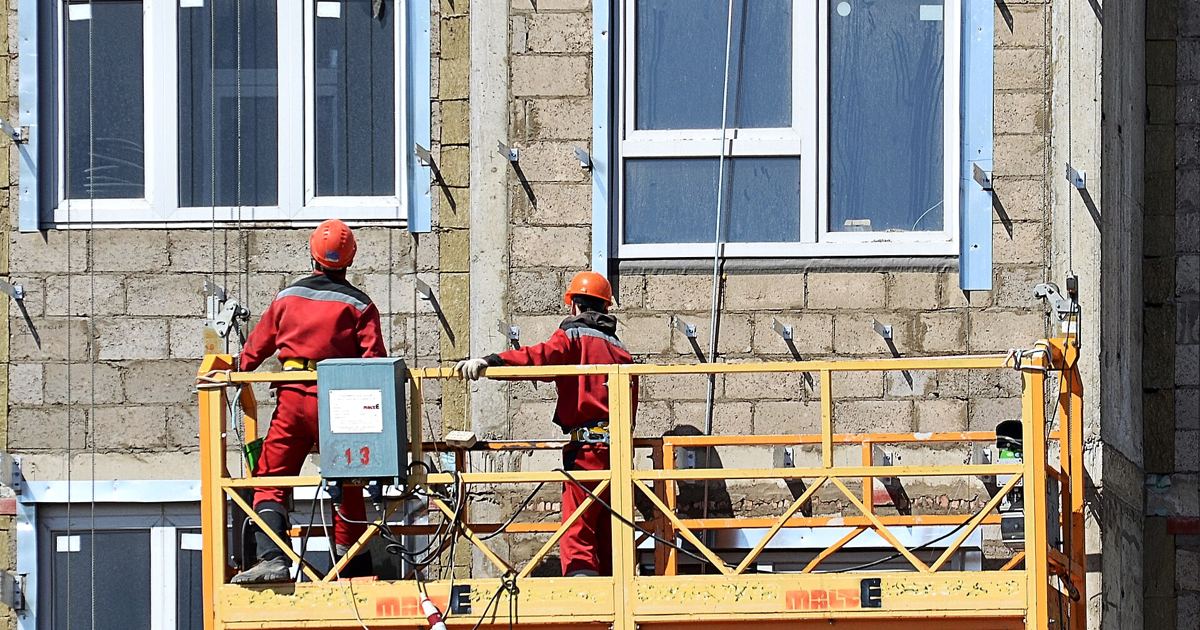
Falls remain the leading cause of death across the construction industry. According to Bureau of Labor Statistics figures highlighted by OSHA's Fall Prevention Campaign, 389 workers suffered fatal falls to a lower level out of 1,034 overall construction fatalities in 2024. Because these incidents can be prevented, pre-construction coordination between trade contractors and the general contractor is vital. Subcontractors bidding on interiors, framing, or roofing must resolve critical safety questions long before dispatching crews to an elevated deck or work platform.
Clarify the Overall Project Plan and Scope of Elevated Tasks
Before mobilizing, ask the general contractor how the overall project workflow will proceed and what specific elevated tasks your crews will perform alongside other trades. Safe operations require planning projects thoroughly from the beginning. Estimators and project managers need to know precisely how the work will be executed, which trade activities happen concurrently, and what specialized equipment will be required on site.
When preparing estimates, trade contractors should always price necessary safety equipment into their figures. If the general contractor expects your crew to supply perimeter safeguards or specialty access rigs that were not spelled out in the project documents, address those gaps immediately. Using thorough bid exclusions and clarifications during pre-award discussions helps ensure that everyone agrees on which company provides each piece of equipment.
Confirm What Equipment Protects Crews at Six Feet or More
In construction, workers who perform duties six feet or more above lower levels face serious risks of injury or death should a fall happen. Ask the GC directly what physical protection will be in place once your workers reach this elevation threshold. Will the site utilize temporary guardrail systems, or is each trade expected to establish independent safeguards?
Employers must provide the appropriate equipment for elevated tasks, including suitable scaffolds, ladders, and personal safety gear. During your pre-mobilization conferences, establish clear answers to the following operational items:
- Will the general contractor provide site-wide scaffolding, or must each trade furnish its own access platforms?
- Are appropriate ladders and scaffolds staged and inspected before framing or interior framing crews arrive?
- Who bears financial and logistical responsibility for elevated access equipment under the job's agreed general conditions?
- What specific gear must be present on site to safely handle transitions between different working elevations?
Address Leading Edges, Holes, and Skylights
Subcontractors handling roofing, decking, or high-wall framing regularly work near dangerous deck openings. Ask the general contractor to identify all potential jobsite hazards, including floor holes, roof penetrations, skylights, and unprotected leading edges, before your team steps onto the floor plate.
Planning for these distinct hazards is essential to preventing falls from roofs, scaffolds, and ladders. When your crew encounters leading edges or roof openings, you must select fall protection suitable to that specific scope of work. Determining who will cover, barricade, or flag openings keeps trade contractors from arriving at an unprotected deck where work must stop.
Verify Anchor Points and Personal Fall Arrest System Details
If personal fall arrest systems (PFAS) are necessary for elevated roof or exterior wall tasks, ask the GC about certified anchor locations. Workers cannot safely tie off unless engineered, suitable anchorage exists. Employers must provide an individual body harness for every worker who needs to tie off to an anchor point.
Never assume that an anchor point will be available or certified. Inquire whether the GC has structural attachment points ready for trade use, or if your crew must supply mobile anchors. In addition, subcontractors must confirm that every harness fits the worker correctly and that all personal fall arrest systems undergo regular inspection for safe use prior to daily operations.
Coordinate Hazard Recognition and Equipment Training
Proper gear cannot protect workers if they do not know how to handle it correctly. Ask the general contractor how trade safety training coordinates with site-specific orientations. Under the three-step framework emphasized by OSHA's Fall Prevention Campaign—plan, provide, and train—every worker must receive instruction on proper set-up and safe equipment use before elevated tasks begin.
Employers are responsible for training employees to recognize fall hazards across the jobsite. Subcontractors should verify that field personnel understand proper ladder placement, scaffold safety, and harness inspection. Through industry partnerships active since 2012 involving the National Institute for Occupational Safety and Health (NIOSH), The Center for Construction Research and Training (CPWR), and the National Occupational Research Agenda (NORA) Construction Sector, educational materials, factsheets, and posters are available to support trade training before field work commences.
Sources
OSHA's Fall Prevention Campaign | Occupational Safety and Health Administration
Published October 28, 2026. No affiliate links on this page. Facts come from the sources linked above; check them for updates.