FAR 36.102 Construction Definitions: A Bidding Comparison Guide
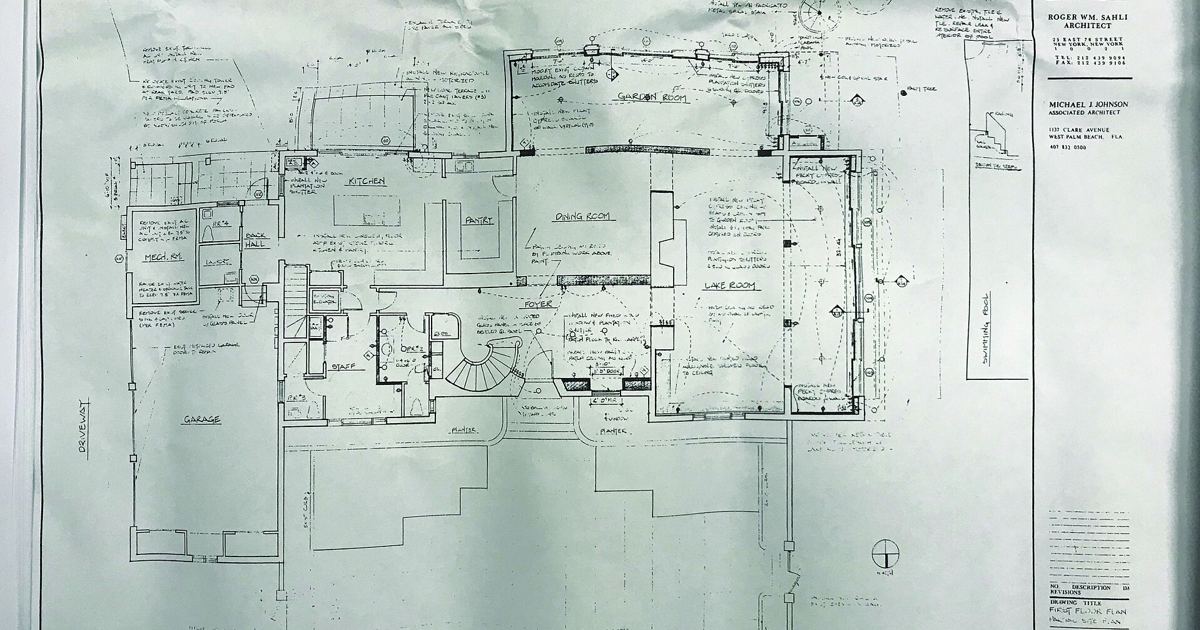
Pricing federal construction work requires trade estimators and small general contractors to navigate specific regulatory terminology that governs procurement structures. Under the Federal Acquisition Regulation, 36.102 Definitions. | Acquisition.GOV outlines the foundational terms that establish how federal agencies purchase construction and architect-engineer services. Misinterpreting how delivery methods and project records are defined can create significant gaps when preparing estimates or evaluating risk.
Delivery Methods Compared: Design-Bid-Build vs. Design-Build
Federal procurement relies on distinct delivery approaches, and the definitions in FAR 36.102 establish clear boundaries between them:
- Design-Bid-Build: This is defined as the traditional delivery method where design and construction occur sequentially and are contracted separately through two distinct contracts awarded to two different contractors.
- Design-Build: This delivery method combines both design and construction within a single contract managed by one contractor.
For framing, drywall, ceiling, and interior subcontractors, this operational distinction determines who owns design coordination. In a design-bid-build scenario, trade contractors price work from finished engineering deliverables. Under design-build, the prime contractor holds responsibility for developing the design while building, which often means trade subcontractors must account for incomplete scopes or evolving layout conditions during initial bid stages. Preparing thorough bid exclusions and clarifications is essential when pricing proposals under combined delivery methods.
Two-Phase Selection vs. Standard Delivery Procedures
When agencies acquire work using design-build, they often implement two-phase design-build selection procedures. According to FAR 36.102, this selection method limits the number of offerors chosen during Phase One to submit detailed proposals in Phase Two, normally selecting five or fewer offerors.
This phased framework alters the bidding timeline for subcontractors. In Phase One, prime contractors submit qualifications and general technical approaches without detailed pricing from every tier. Only teams selected among the five or fewer finalists advance to Phase Two to generate comprehensive proposals, including detailed construction cost estimates. Subcontractors pricing trade packages must verify whether a prime contractor is competing in Phase One or has already advanced to Phase Two before dedicating extensive estimating resources to takeoff work.
Design Scope vs. Plans and Specifications
Estimators frequently treat technical drawings and overall design interchangeably, but FAR 36.102 treats them as distinct concepts with specific components:
Design is defined as defining the construction requirement, producing technical specifications and drawings, and preparing the construction cost estimate. This includes defining functional relationships and technical systems such as:
- Architectural systems
- Structural systems
- Mechanical systems
- Electrical systems
- Fire protection systems
- Environmental systems
In contrast, plans and specifications are defined strictly as drawings, specifications, and other data prepared for and preliminary to the construction. Plans and specifications represent the work product used to solicit bids, whereas design encompasses the full process of developing technical criteria, systems relationships, and cost estimates. Understanding this separation helps estimators recognize whether their proposal is addressing completed preliminary data or participating in active system definition.
Preliminary Documents vs. Record Drawings Across Subcontractor Tiers
Another critical comparison within FAR 36.102 involves the documents used before building begins versus those required at project closeout. While plans and specifications provide the preliminary data for construction, record drawings serve a different regulatory purpose.
The regulation defines record drawings as drawings submitted by a contractor or subcontractor at any tier to show the construction of a particular structure or work as actually completed under the contract. Trade estimators reviewing federal solicitations must account for drafting and tracking expenses associated with as-built field modifications. Because the rule explicitly extends the record drawing obligation to subcontractors at any tier, interior trades, drywall contractors, and framing crews must track actual installed conditions to fulfill contract deliverables before final closeout.
How Part 36 Classifies "Contract" and "Firm" for Trade Bidders
FAR 36.102 also clarifies broader terms that govern federal procurement administration:
Contract: As used in Part 36, the term is intended to refer directly to a contract for construction or a contract for architect-engineer services, unless another meaning is clearly intended in the text.
Firm: When used in conjunction with architect-engineer services, a firm means any individual, partnership, corporation, association, or other legal entity permitted by law to practice the professions of architecture or engineering.
Knowing these definitions gives trade contractors and small GCs a concrete framework when reviewing prime solicitation notices, structuring subcontracts, and executing final project documentation on federal jobsites.
Sources
Published October 29, 2026. No affiliate links on this page. Facts come from the sources linked above; check them for updates.