FAR 52.236-4 Physical Data: Solicitations Comparison Guide
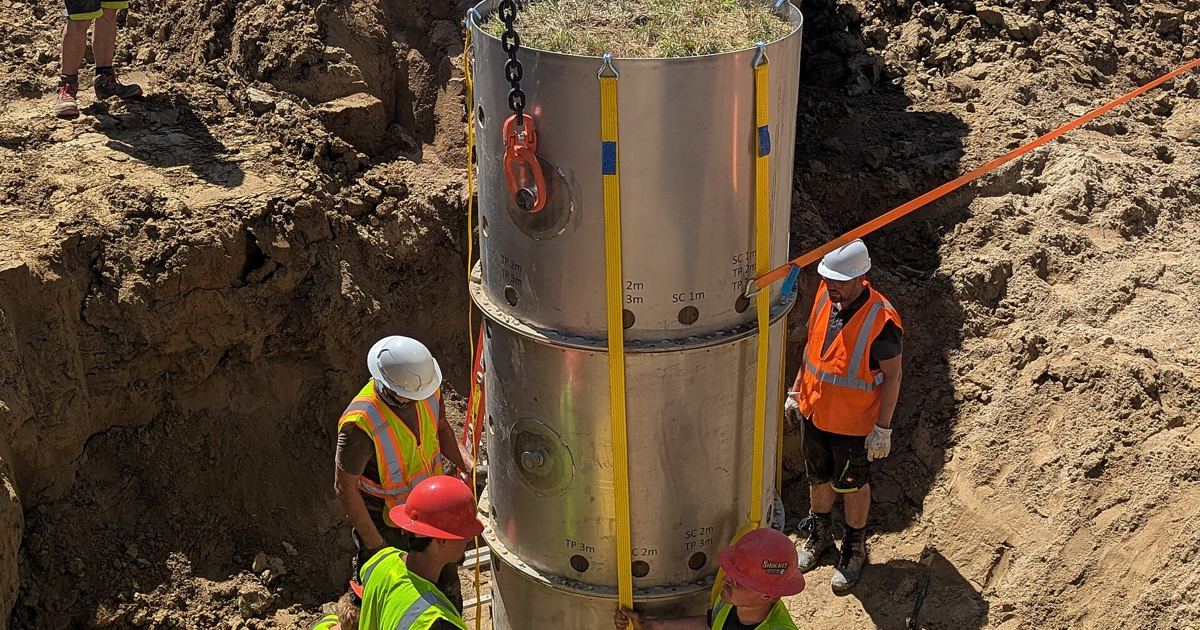
When bidding on federal solicitations, estimators, small general contractors, and trade subcontractors frequently encounter solicitations containing physical reports, boring logs, and regional weather summaries. Understanding how the government discloses this information under federal procurement regulations is critical to assembling accurate estimates. The governing clause, 52.236-4 Physical Data. | Acquisition.GOV, establishes specific boundaries between the raw information provided by the federal contracting agency and the conclusions offerors draw during bid preparation.
Government Disclosure vs. Contractor Interpretation
A core element of FAR 52.236-4 is the explicit distinction between the information the government provides and the conclusions the bidder reaches. The clause states that data and information furnished or referred to is for the contractor's information. Crucially, the government shall not be responsible for any interpretation of or conclusion drawn from the data or information by the contractor.
This comparison highlights a critical divide during bid preparation:
- Government Data: The agency provides factual disclosures, identifying investigational methods, weather summaries, or facility access details.
- Contractor Interpretation: The contractor alone bears responsibility for interpreting how that physical information impacts crew productivity, equipment selection, schedule feasibility, and pricing.
When preparing bids, estimators must review the government's baseline data carefully while recognizing that any assumptions built on top of that data remain their own financial responsibility. For related guidance on subsurface surprises, see our review of FAR 52.236-2 Differing Site Conditions: Estimator Guide.
Prescription Requirements: Fixed-Price Contracts vs. Physical Data Disclosures
Federal contracting officers follow precise rules regarding when to insert this clause into solicitations. Under FAR 36.504, the clause is prescribed for insertion in solicitations and contracts when a fixed-price construction contract is contemplated and physical data will be furnished or made available to offerors.
The clause highlights specific examples of physical data that trigger this requirement, including:
- Test borings
- Hydrographic data
- Weather conditions data
Furthermore, all information to be furnished or made available to offerors before award that pertains to the performance of the work should be identified directly in the clause. If specific paragraphs outlined in the standard clause text are not applicable to the contemplated project, the contracting agency may delete them.
Clause Paragraphs: Comparing the Four Data Categories
The standard clause structure of 52.236-4 Physical Data. | Acquisition.GOV divides physical data disclosures into four distinct categories labeled (a) through (d). Comparing these categories helps bidders identify what data is present and what gaps need clarification before submitting a proposal:
- Paragraph (a) - Site Investigation Indications: States that the indications of physical conditions on the drawings and in the specifications are the result of site investigations. The solicitation specifies the exact investigational methods used, such as surveys, auger borings, core borings, test pits, probings, or test tunnels.
- Paragraph (b) - Weather Conditions: Contains a summary of weather records and warnings pertinent to the performance location.
- Paragraph (c) - Transportation Facilities: Outlines transportation facilities providing access from the site, including essential details about their availability and limitations.
- Paragraph (d) - Other Pertinent Information: Serves as an open section where the contracting officer inserts other pertinent information related to jobsite physical conditions.
Comparing Investigational Methods: Borings, Pits, Probings, and Surveys
Paragraph (a) of the clause specifically lists several investigative methods that agencies use to determine the physical conditions indicated on drawings and specifications. Bidders should compare the methods listed in the solicitation against the nature of the work being bid:
Methods such as auger borings and core borings offer deep vertical sampling of soils and rock, while test pits and test tunnels allow direct visual inspection of subsurface layers within excavated openings. Probings and surface surveys provide different perspectives on elevations, subsurface resistance, and geometry. Estimators evaluating the provided physical data should examine which specific investigational methods were conducted, what physical areas they covered, and whether the findings directly align with the work scope.
Pre-Award Review Checklist for Small GCs and Subcontractors
Before submitting a final price on a federal solicitation that incorporates FAR 52.236-4, small prime contractors and trade subcontractors should follow a structured comparison checklist:
- Confirm whether the solicitation specifies investigational methods such as surveys, test pits, auger borings, core borings, probings, or test tunnels.
- Evaluate the weather summary and warnings to account for regional climate factors that could affect work windows.
- Review the transportation facilities summary for access limitations, road availability, or site restrictions that could impact material deliveries.
- Cross-reference the listed physical data against drawing indications, keeping in mind the site walk requirements discussed in our guide to Bidding Under FAR 52.236-3: Site Investigation Guide.
Sources
Published October 29, 2026. No affiliate links on this page. Facts come from the sources linked above; check them for updates.