FAR 52.243-6 Change Order Accounting: A Federal Project Walk-Through
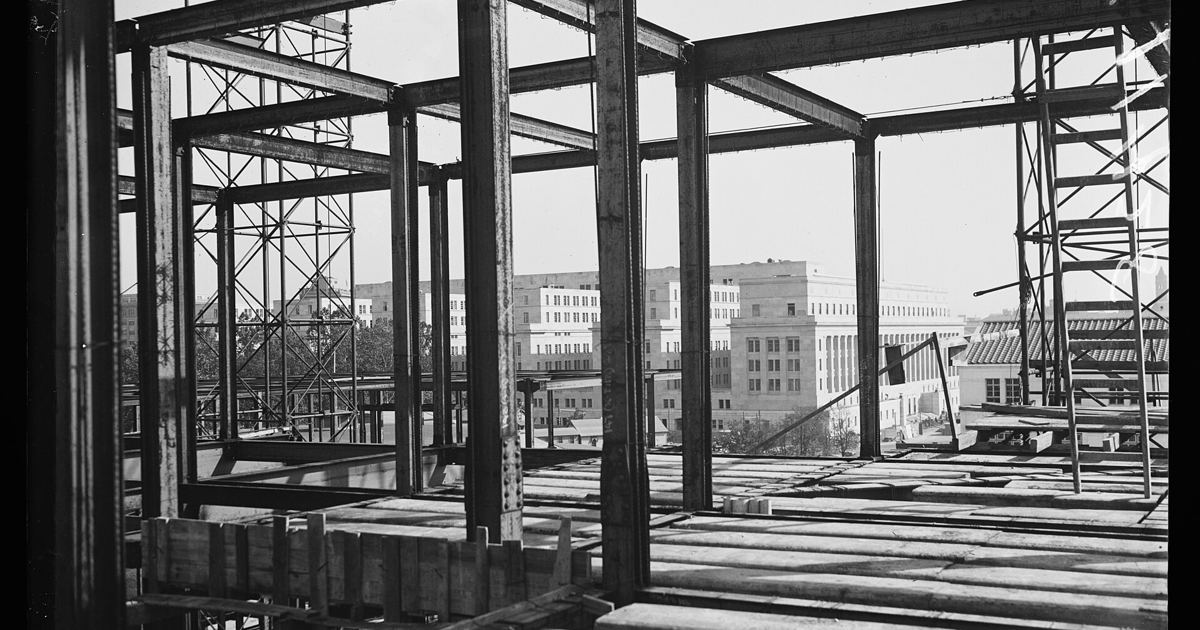
On federal construction projects, scope adjustments can quickly complicate job-cost ledgers. When major revisions occur during construction, federal contracting rules require contractors to do more than simply note increased field expenses. Under the standard clause framework, contracting officers possess a dedicated tool to ensure every expense tied to a modification is strictly identified. Walking through a hypothetical project scenario demonstrates how prime contractors and trade subcontractors must apply 52.243-6 Change Order Accounting to track change costs separately and protect their accounting integrity.
The Scenario Trigger: When Scope Revisions Exceed $100,000
Consider a hypothetical federal project where unexpected field requirements prompt the Contracting Officer to direct modifications to the interior layout. Prescribed under 43.205(f), the clause designated as Change Order Accounting (Apr 1984) allows the Contracting Officer to require change order accounting whenever the estimated cost of a change or a series of related changes exceeds $100,000. In our scenario, the Contracting Officer determines that the anticipated impact surpasses this $100,000 threshold and formally directs the contractor to institute separate accounting for the work. Whether the change stems from revised drawings under the standard FAR 52.243-4 Changes Clause or an extensive structural reconfiguration, surpassing this dollar threshold gives the government the authority to invoke these specific recordkeeping mandates.
Setting Up Separate Job Orders and Accounting Procedures
Once the Contracting Officer requires change order accounting, the contractor cannot commingle the modification costs with base-contract expenditures. Under FAR 52.243-6, the contractor must establish separate accounts for each change or series of related changes. In our walk-through, the project team fulfills this obligation by setting up an isolated job order within its accounting software. The clause permits using a separate job order or another suitable accounting procedure, provided the system cleanly isolates the financial activity. For trade subcontractors submitting cost data upward to the prime general contractor, establishing a designated cost code ensures that labor, material, and field expenditures allocable to the modification remain segregated from day one.
Tracking Segregable Direct Costs for Changed and Unchanged Work
The core compliance duty under the clause involves capturing segregable, direct costs. The requirement encompasses not only the work directly altered by the revision, but also work that remains unchanged if it is allocable to the change. In our hypothetical project, the team must structure its tracking around several clear categories:
- Direct labor hours and payroll costs incurred solely to execute the revised interior scope.
- Incurred material orders, freight charges, and equipment rentals specific to the altered assemblies.
- Segregable direct costs incurred on unchanged base-contract work that was directly disrupted or impacted by the modification.
- Direct expenditures resulting from a series of related changes grouped under the directive.
Accurately identifying these figures prevents disputes when compiling the eventual proposal for pricing change orders, because each expense has been systematically categorized as it was incurred.
Deducting Allocable Credits from Incurred Costs
Cost isolation under FAR 52.243-6 is not a one-way street of adding expenses. The text specifies that the contractor must record incurred segregable, direct costs less allocable credits. In our hypothetical example, suppose the revised design eliminates several linear feet of partition framing or allows for the return of unused bulk materials to a supplier. The resulting refunds or cost reductions cannot be concealed or absorbed elsewhere; they must be posted as allocable credits against that specific change order account. Deducting these credits ensures the net direct cost accurately reflects the true financial impact of the modification before overhead or markup adjustments enter negotiations.
Maintaining Accounts Until Final Agreement or Disputes Resolution
A common error in project execution is closing out an internal tracking code the moment physical work in the field wraps up. Under the clause, the contractor must maintain these separate accounts until one of two definitive milestones takes place:
- The parties agree to an equitable adjustment for the changes ordered by the Contracting Officer.
- The matter is conclusively disposed of in accordance with the Disputes clause.
In our walk-through, even after the revised partitions are fully finished and inspected, the project accounting department keeps the segregated ledger open. Maintaining the records until a bilateral agreement is executed ensures complete transparency should the government request an audit or a detailed cost analysis during final negotiations.
Summary Checklist for Federal Change Accounting
When operating on a federal site where FAR 52.243-6 applies, following a disciplined accounting protocol protects your right to full equitable adjustment. The required steps include:
- Verifying whether the Contracting Officer has required change order accounting on any change or series of related changes where the estimated cost exceeds $100,000.
- Opening a distinct job order or implementing an equivalent accounting method immediately upon notification.
- Capturing all segregable direct costs for both changed work and affected unchanged work.
- Applying all allocable credits to offset gross direct expenditures.
- Preserving the separate accounts continuously until bilateral definitization or final resolution under the Disputes clause.
Sources
52.243-6 Change Order Accounting. | Acquisition.GOV
Published November 9, 2026. No affiliate links on this page. Facts come from the sources linked above; check them for updates.