Highway Work Zones and Traffic Control: Questions to Ask the GC Before Pricing Subpart G
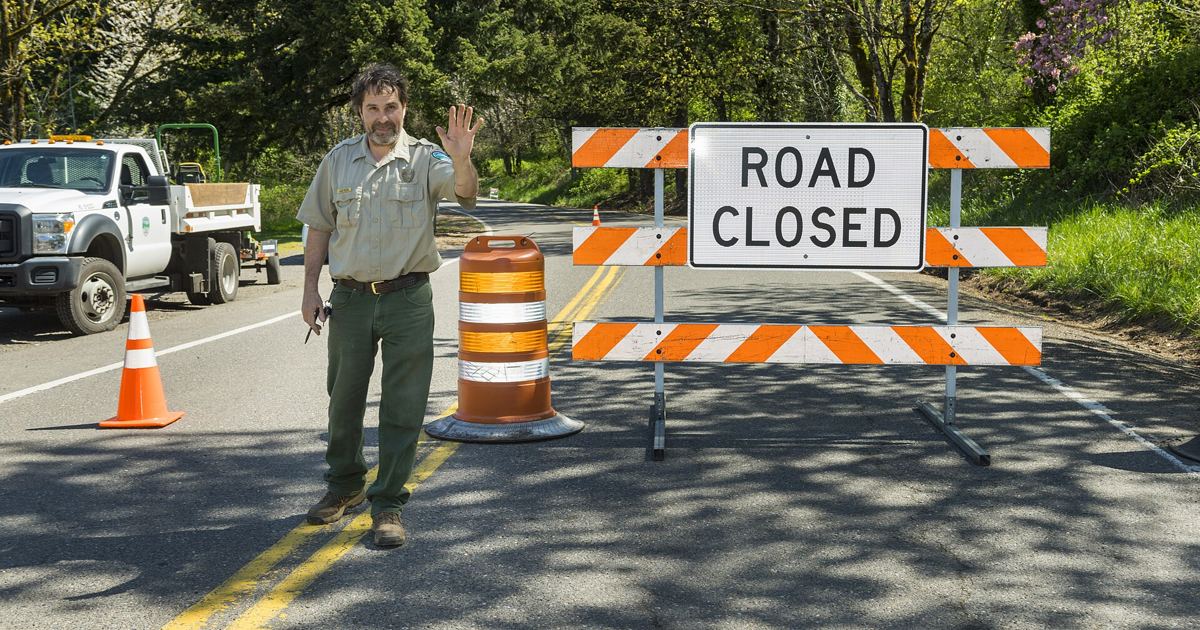
Working along public roadways introduces complex safety and logistical responsibilities that can rapidly reshape a project's cost profile. When an estimate involves highway, road, street, bridge, tunnel, or utility infrastructure, crews face hazards from traffic passing outside the boundary as well as machinery moving within it. Federal safety standards establish clear expectations for traffic control and hazard mitigation. As outlined on the OSHA Highway Work Zones and Signs, Signals, and Barricades Overview, temporary traffic-control requirements connect directly to federal highway standards. Before submitting a proposal, estimators and trade contractors should review project boundaries with the general contractor (GC) using these targeted questions.
1. Who Furnishes the MUTCD Part 6 Traffic-Control Devices and Signs?
Under federal regulations, the framework for temporary signs, barricades, and flagging traces directly to U.S. Department of Transportation (DOT) and Federal Highway Administration (FHWA) standards. OSHA incorporates these expectations by referencing the Manual on Uniform Traffic Control Devices (MUTCD) in 1926 Subpart G. The specific version cited by the agency is the MUTCD 2009 Edition with Revision Numbers 1 and 2 incorporated, dated May 2012, particularly Part 6: Temporary Traffic Control.
Estimators must ask the GC:
- Does the prime contractor furnish, erect, and maintain all signs, signals, and barricades, or is each trade expected to carry its own temporary devices?
- Who provides dedicated flaggers and handles regular inspections of warning signs as work zones advance?
Leaving traffic control unassigned risks saddling your trade with unplanned hardware and rental costs that typically belong under general conditions.
2. How Will the Site Protect Against Internal Equipment and External Traffic?
OSHA identifies four primary hazards common to infrastructure work zones: falls, electrical hazards, struck-by incidents, and caught-between hazards. Furthermore, National Institute for Occupational Safety and Health (NIOSH) guidance notes that workers are exposed to severe risk from two distinct directions: passing motor vehicle traffic outside the work zone and construction vehicles operating within it.
Ask the GC how the site safety plan segregates active lanes from pedestrian workers, and what physical barriers will be in place. If heavy hauling vehicles and crew members must share a narrow utility corridor or bridge deck, clarify whether the GC requires specific spotting personnel or extra physical barricades to manage internal movement.
3. Does the Project Fall Under the Federal Work Zone Safety and Mobility Rule?
Highway infrastructure projects often operate under the FHWA Work Zone Safety and Mobility Rule, which updated and expanded 23 CFR 630 Subpart J. When this rule applies, general contractors are subject to strict traffic management plans that dictate lane closure windows, working hours, and detour routing.
Ask the GC if 23 CFR 630 Subpart J governs the project specifications. Restricted access windows or mandatory night work will change your labor pacing, shift differentials, and lighting requirements. Documenting these expectations early allows you to draft explicit terms in your bid exclusions and clarifications.
4. What Interventions Are Required for Moving Construction Vehicles?
Managing equipment movement within the work perimeter requires proactive planning. NIOSH published "Building Safer Highway Work Zones: Measures to Prevent Worker Injuries From Vehicles and Equipment" (DHHS NIOSH Publication No. 2001-128, April 2011), compiling interventions developed during a workshop with over 30 industry participants. Employers can obtain this guidance toll-free at 1-800-35-NIOSH (1-800-356-4674).
Ask the GC whether specific internal traffic control plans are enforced on-site to route machinery away from worker foot paths. Determining whether equipment staging restricts trade access helps estimators accurately calculate crew cycle times and material staging allowances.
5. Which Work Zone Training and Multilingual Materials Will Be Deployed?
Roadway and utility crews require specific jobsite safety instruction before stepping onto an active right-of-way. Resources highlighted on the OSHA Highway Work Zones page include OSHA Safety and Health Information Bulletins (SHIBs), the Work Zone Traffic Safety Fact Sheet, and the Work Zone Traffic Safety QuickCard published in various languages.
Clarify with the GC whether project-specific safety orientations or mandatory temporary traffic-control training sessions will be conducted prior to start-up. Confirming who supplies training materials and multi-language safety resources ensures compliance without adding unpriced non-productive hours to your labor burden.
Sources
Published October 29, 2026. No affiliate links on this page. Facts come from the sources linked above; check them for updates.