Ionizing Radiation Under 29 CFR 1926.53: Subcontractor Planning
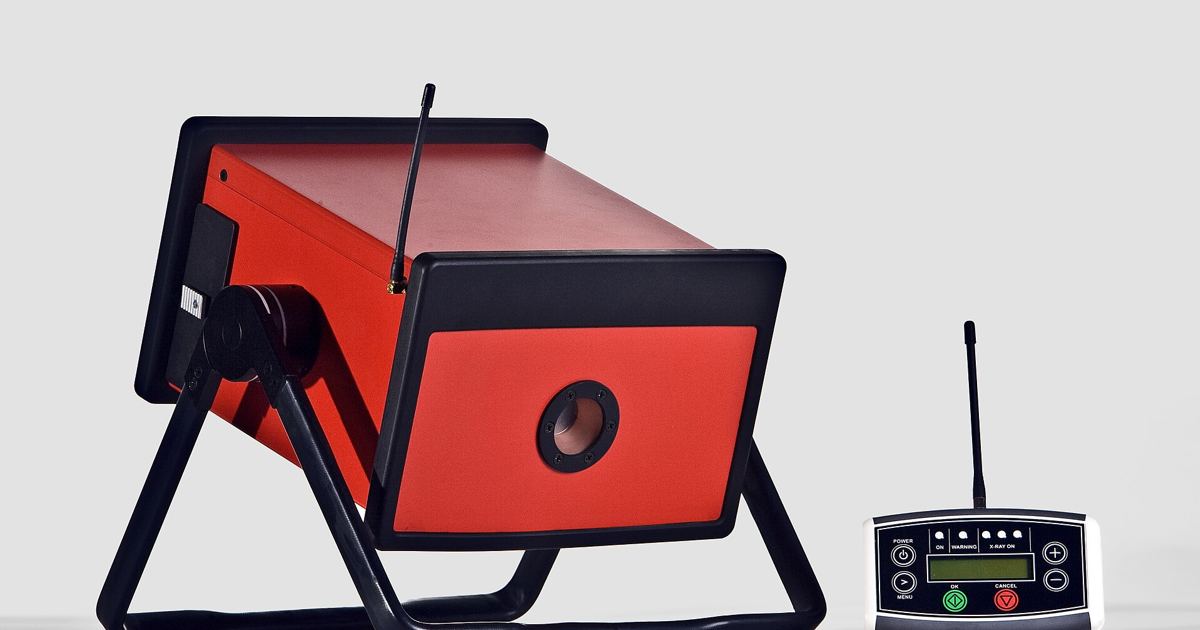
When industrial radiography crews mobilize on a jobsite to inspect structural welds or mechanical assemblies, the entire field workflow shifts. For interior framing, drywall, and ceiling trades, uncoordinated radiographic testing can stop work in its tracks, clearing crews from whole sections of a building. Navigating these disruptions requires an understanding of federal safety regulations under 29 CFR 1926.53 and how ionizing radiation operations govern physical access across active work areas.
The Jobsite Scenario: Framing Adjacent to Radiographic Testing
Consider a hypothetical commercial building project where an interior subcontractor is installing metal stud framing and drywall across two interconnected levels. While the framing crew is laying out track and hanging drywall along a central corridor, the general contractor schedules an industrial radiography team to perform non-destructive examination on heavy structural joints and mechanical piping runs directly overhead. Radiographic testing uses radioactive materials or X-rays to check the internal integrity of materials.
Because radiation sources cannot be contained by standard temporary dust partitions or unfinished drywall assemblies, trade contractors cannot simply work on the opposite side of a stud partition. When the testing team sets up, adjacent workspaces become restricted zones. Trade supervisors must adjust work plans immediately to keep their crews productive while remaining fully compliant with occupational radiation safety requirements.
Federal Regulatory Framework Under 29 CFR 1926.53(a)
Under 29 CFR 1926.53, specific safety requirements govern any construction activity involving sources of ionizing radiation. Paragraph (a) establishes that in construction and related activities involving the use of sources of ionizing radiation, the pertinent provisions of the Nuclear Regulatory Commission's Standards for Protection Against Radiation, codified in 10 CFR part 20, apply directly to protect workers against occupational radiation exposure.
This requirement ties construction site activities to federal radiation protection standards established by the Nuclear Regulatory Commission. In our hypothetical project, the testing crew cannot merely rope off a random corner; their operational perimeter and exposure controls must align with the occupational safety provisions referenced in 10 CFR part 20 to protect every craft worker on the premises from occupational exposure.
Competent Persons and Licensing Rules Under 29 CFR 1926.53(b)
A critical safeguard outlined in 29 CFR 1926.53(b) governs who may handle equipment that emits radiation on the jobsite. The standard mandates that any activity involving the use of radioactive materials or X-rays, whether or not under license from the Nuclear Regulatory Commission, must be performed by competent persons specially trained in the proper and safe operation of such equipment.
Furthermore, when radioactive materials are used under a Nuclear Regulatory Commission license, the regulation strictly limits equipment operation. Only persons who are actually licensed, or competent persons acting under the direction and supervision of the licensee, are permitted to perform the work. For our framing and drywall teams, this rule establishes a strict boundary: trade workers must never attempt to adjust, relocate, or touch radiographic devices, radiation shields, or associated testing apparatus.
General Industry Alignment Under 29 CFR 1910.1096
When reviewing 29 CFR 1926.53, trade contractors should note that paragraphs (c) through (r) are reserved in the regulatory text. However, a regulatory note directly within the standard clarifies that the requirements applicable to construction work under paragraphs (c) through (r) are identical to those set forth at paragraphs (a) through (p) of 29 CFR 1910.1096, which is the general industry ionizing radiation standard.
This cross-reference ensures that technical safety expectations for radiation protection across construction operations reflect the established general industry safeguards. Estimators and project managers reviewing project specifications should recognize that radiation protection mandates extend across these linked standards when specialized testing is planned.
Subcontractor Action Steps When Radiography Is Scheduled
To avoid lost labor hours and uncompensated schedule delays when industrial radiography is introduced to a project, trade contractors should take structured operational steps:
- Verify the radiography schedule during pre-construction coordination meetings with the general contractor.
- Request advance written notice regarding which building areas, levels, or adjacent rooms will be restricted during testing operations.
- Reassign framing, hanging, and finishing crews to unaffected building phases or clear floor areas outside the testing perimeter.
- Incorporate site-access constraints into bid planning through clear bid exclusions and clarifications to account for restricted working hours.
- Account for site coordination overhead within trade pricing by reviewing non-labor impacts through general conditions estimating.
By treating industrial radiography as an active site restriction governed by federal standards, subcontractors can maintain production pace elsewhere in the building while keeping their workers safely outside restricted zones.
Sources
Occupational Safety and Health Administration: 29 CFR 1926.53 Ionizing Radiation
Published October 30, 2026. No affiliate links on this page. Facts come from the sources linked above; check them for updates.