Mechanical Power-Transmission Guarding: What to Ask the GC
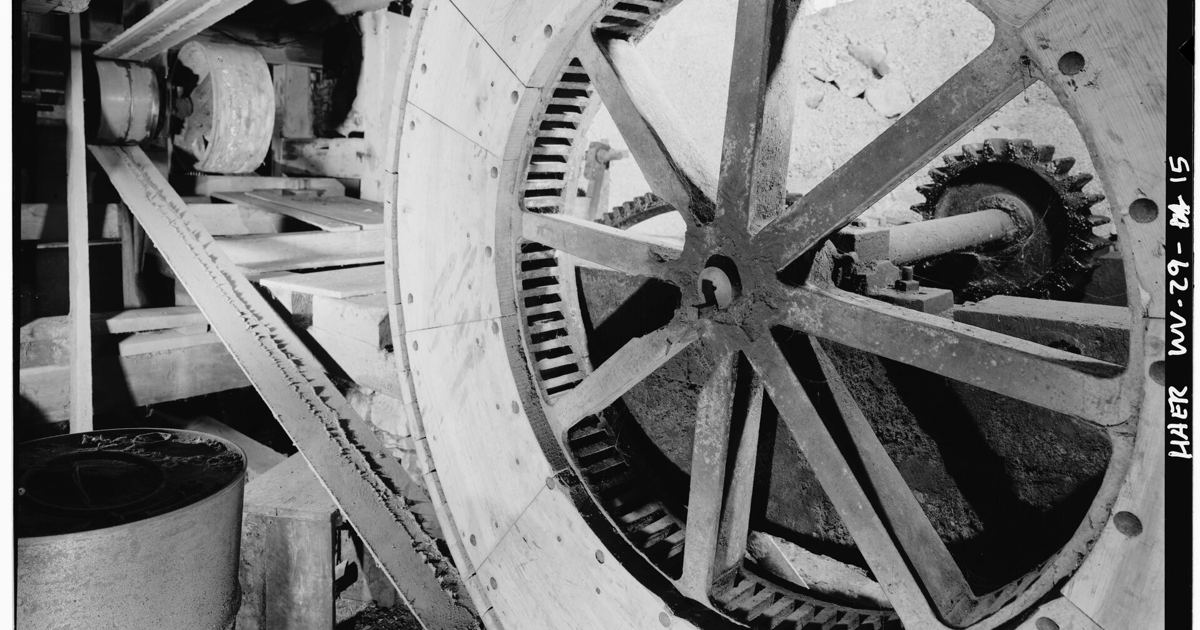
When bringing rented mixers, compressors, or mechanical apparatus onto a project, trade contractors and small builders face critical compliance duties. Under 29 CFR 1926.307, moving belts, shafts, pulleys, and flywheels require specific physical barriers. Clarifying machinery safety responsibilities with the general contractor before mobilization prevents unexpected project stoppages and backcharges. Addressing these physical boundaries early also strengthens your project proposals alongside your bid exclusions and clarifications.
Does Site Equipment Meet Prime-Mover and Flywheel Guarding Rules?
Flywheels located on prime movers, engines, or pumps must satisfy defined clearance and guarding standards when operating near personnel. Subcontractors should question the general contractor regarding rented or site-furnished equipment:
- Any flywheel located so that any part is 7 feet (2.128 m) or less above the floor or platform must be protected by an enclosure of sheet, perforated, or expanded metal, or woven wire.
- Guards may also consist of guardrails set between 15 inches (38.1 cm) and 20 inches (50.8 cm) from the rim. If the flywheel extends into a pit or sits within 12 inches (30.48 cm) of the floor, a standard toeboard is mandatory.
- When the upper rim protrudes through a working floor, it must be completely enclosed or protected by a guardrail and toeboard.
- For flywheels with smooth rims measuring 5 feet (1.52 m) or less in diameter where full enclosures cannot be used, a disk covering the spokes on the exposed side may be used, leaving an open space not exceeding 4 inches (10.16 cm) between the disk edge and the rim for turning over.
- Flywheels positioned above working areas require guards strong enough to carry the full weight of the flywheel if a shaft or mounting fails.
Cranks, connecting rods, tail rods, and extension piston rods exposed to contact also require physical barriers or guardrails. Estimators should verify that site equipment arrives with these enclosures in place.
Are Pulleys, Belts, and Horizontal Drives Guarded Below 7 Feet?
Pulleys and drive belts present major pinch points on rented construction equipment. Trade teams should ask the general contractor to verify the following guard configurations:
Pulleys with any parts 7 feet (2.128 m) or less from the floor or working platform must carry protective guards. Pulleys acting as balance wheels where the point of contact between belt and pulley exceeds 6 ft. 6 in. (1.976 m) from the floor or platform may be guarded with a disk covering the spokes.
Horizontal belts require distinct safeguards based on working height. Where both runs are 7 feet (2.128 m) or less from floor level, the guard must extend at least 15 inches (38.1 cm) above the belt. If both runs are 42 inches (106.68 cm) or less from the floor, the belt must be fully enclosed. In addition, horizontal overhead belts traveling 1,800 feet or more per minute over passageways or work places with a center-to-center pulley distance of 10 feet (3.04 m) or more and a belt width of 8 inches (20.32 cm) or more require continuous guarding for their entire length. Cracked pulleys or pulleys with pieces broken out of rims must not be operated on site.
Confirming who inspects these rented assemblies avoids sudden work stoppages under jobsite general conditions estimating allowances.
Which Small Belts Qualify for Guarding Exceptions?
While 29 CFR 1926.307 covers all types and shapes of power-transmission belts, certain low-speed drives are exempt. Estimators can ask the GC whether rented machinery running at speeds of 250 feet per minute or less meets any of these exclusion dimensions:
- Flat belts 1 inch (2.54 cm) or less in width.
- Flat belts 2 inches (5.08 cm) or less in width that are completely free from metal lacings or fasteners.
- Round belts 1/2 inch (1.27 cm) or less in diameter.
- Single strand V-belts measuring thirteen thirty-seconds (13/32) inch or less in width.
Additionally, vertical and inclined belts running under 1,000 feet per minute without metal fasteners, and not exceeding 2 1/2 inches (6.35 cm) in width, may be protected with a nip-point belt and pulley guard. For cone-pulley drives, if the cone sits less than 3 feet (0.912 m) from the floor or platform, the assembly must be guarded to a height of 3 feet (0.912 m).
How Will Horizontal and Inclined Shafting Be Enclosed?
Continuous lines of shafting must be secured against excessive endwise movement, while inclined and vertical shafts must be held against endwise thrust. Subcontractors should question how exposed shafts near walking paths will be controlled:
All exposed parts of horizontal shafting 7 feet (2.128 m) or less from the floor or platform require a stationary casing or a trough enclosing the sides and top or sides and bottom. Where shafting runs under bench machines, troughs must come within at least 6 inches (15.24 cm) of the table underside or floor and extend at least 2 inches (5.08 cm) beyond the shafting. Vertical and inclined shafting 7 feet (2.128 m) or less from the floor requires a stationary casing.
Projecting shaft ends must present a smooth edge and end, projecting no more than one-half the diameter of the shaft unless covered by nonrotating caps or safety sleeves. Unused keyways must also be filled or covered.
Are Gears, Sprockets, and Rotating Fasteners Safely Covered?
Exposed drive gears and chain mechanisms present extreme pinch hazards. Ask the general contractor if machinery deliveries comply with mandatory physical barriers:
Gears require complete enclosure, a standard guard at least 7 feet (2.128 m) high extending 6 inches (15.24 cm) above the mesh point, or a flanged band guard. If any section of a band-guarded gear train is less than 6 feet (1.824 m) from the floor, a complete enclosure or disk guard reaching 6 feet (1.824 m) high is required. Sprocket wheels and chains must be fully enclosed unless located more than 7 feet (2.128 m) above the floor or platform.
Revolving shafts, collars, and couplings require equal scrutiny. Collars must be cylindrical with screws or bolts that do not project beyond the outer surface. Projecting keys, setscrews, and protuberances in revolving machinery must be removed, made flush, or enclosed with metal covers, except within existing casings or inside pulley hubs less than 20 inches (50.8 cm) in diameter.
Sources
Published October 30, 2026. No affiliate links on this page. Facts come from the sources linked above; check them for updates.