Methylene Chloride Paint Stripper Compliance: Step-by-Step Guide
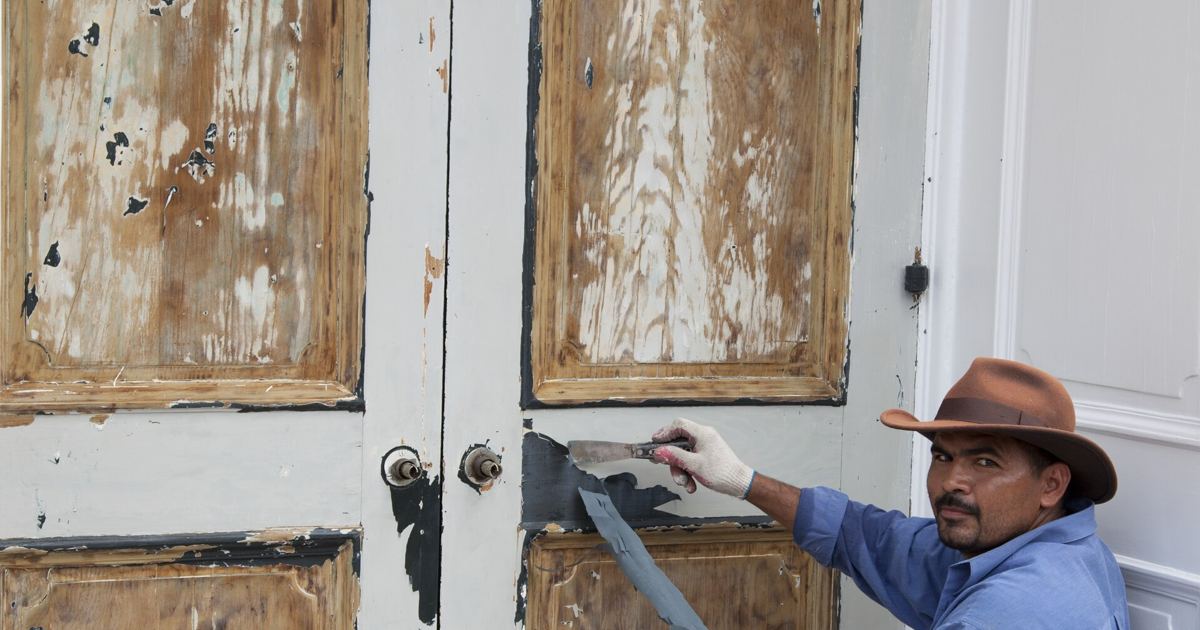
On historical restoration, building renovation, and interior remodel projects, stripping old paint and coatings from wood trim, masonry, or cabinetry frequently involves chemical solvents. Under 29 CFR 1910.1052, the federal occupational health standard for methylene chloride applies directly across general industry, shipyard employment, and construction. Because methylene chloride (Chemical Abstracts Service Registry Number 75-09-2, chemical formula CH2Cl2) presents severe health risks—including cancer, liver damage, cardiac complications, central nervous system depression, and skin burns—contractors cannot treat chemical stripping as standard prep work. Navigating this standard requires a methodical, step-by-step approach from initial exposure determination to multi-employer jobsite coordination.
Step One: Identify Exposure Limits and Chemical Hazards
Before any solvent containers are opened on site, project teams must recognize the airborne concentrations that trigger mandatory regulatory actions. Methylene chloride is an organic solvent with a molecular weight of 84.9 g/mole used in work activities such as paint stripping, painting and paint removal, polyurethane foam manufacturing, cleaning, and degreasing. Exposure can occur through vapor inhalation, absorption through the skin, or direct skin contact. Symptoms of overexposure include central nervous system effects such as headaches, disorientation, dizziness, fatigue, and decreased attention span; skin effects such as chapping, erythema, cracked skin, or skin burns; and cardiac effects like chest pain or shortness of breath.
The OSHA methylene chloride standard establishes three binding atmospheric thresholds:
- Action Level: An airborne concentration of 12.5 parts per million (12.5 ppm) calculated as an 8-hour time-weighted average (TWA).
- Permissible Exposure Limit (PEL): An 8-hour TWA PEL of 25 parts per million (25 ppm). Employers must ensure no worker exceeds this airborne concentration over an 8-hour work shift.
- Short-Term Exposure Limit (STEL): An airborne concentration limit of 125 parts per million (125 ppm) determined over a sampling period of 15 minutes.
Step Two: Conduct the Initial Exposure Determination
Each employer whose workers are exposed to methylene chloride must perform an initial exposure determination. This is accomplished by taking personal breathing zone air samples for every worker, or by collecting representative breathing zone samples. Representative sampling requires air monitoring for at least one worker in each job classification during every work shift, specifically targeting the employee expected to have the highest exposure for the 8-hour TWA PEL and the highest likely 15-minute STEL window. An exception allows samples from one work shift to represent other shifts if tasks and conditions are documented as similar.
Monitoring methods must produce results accurate to a confidence level of 95 percent: within plus or minus 25 percent for concentrations above the 8-hour TWA PEL or STEL, and within plus or minus 35 percent for levels at or above the 12.5 ppm action level but at or below the 25 ppm PEL. Construction crews have a direct-reading option: when employees are exposed on fewer than 30 days per year, direct-reading instruments that give immediate results (such as detector tubes) may be used to identify necessary control measures. An employer can also bypass initial monitoring if documented objective data prove the solvent cannot release airborne concentrations at or above the action level or STEL under foreseeable conditions, or if historical monitoring meeting standard criteria was completed within 12 months prior to April 10, 1997.
Step Three: Establish Periodic Air Monitoring Schedules
When initial sampling identifies employee exposures at or above the 12.5 ppm action level or above the 125 ppm STEL, the contractor must establish a formal periodic monitoring schedule based on the exposure scenario:
- Below action level and above STEL: Monitor STEL exposures every three months; no 8-hour TWA monitoring required.
- At or above action level, at or below TWA, and at or below STEL: Monitor 8-hour TWA exposures every six months.
- At or above action level, at or below TWA, and above STEL: Monitor 8-hour TWA exposures every six months and STEL exposures every three months.
- Above TWA and at or below STEL: Monitor 8-hour TWA exposures every three months. Employers engaged in construction work for restoration and preservation of buildings, painting and paint removal, cabinet making, or floor refinishing and resurfacing must also monitor STEL exposures every three months until achieving the 8-hour TWA PEL.
- Above TWA and above STEL: Monitor both 8-hour TWA and STEL exposures every three months.
Monitoring frequency can be adjusted downward when consecutive measurements taken at least seven days apart document lower levels. Employers may decrease 8-hour TWA monitoring to every six months when two consecutive measurements at least seven days apart show exposures at or below the 25 ppm PEL. TWA monitoring may be discontinued entirely if two consecutive measurements taken at least seven days apart fall below the 12.5 ppm action level. Periodic STEL monitoring may cease when two consecutive measurements at least 7 days apart remain at or below the 125 ppm STEL.
Step Four: Notify Workers and Maintain Observation Protocols
Within 15 working days after receiving air monitoring results, the employer must notify affected workers in writing, either individually or by posting results in an accessible workplace location. If test results exceed the 8-hour TWA PEL of 25 ppm or the STEL of 125 ppm, the written notice must describe the specific corrective action being taken to reduce levels and the schedule for completion. Employers must also allow affected workers or designated representatives to observe monitoring procedures, providing protective clothing and equipment at no cost if observers must enter hazard zones.
Additional air sampling becomes mandatory whenever a change in production, process, control equipment, or work practices indicates exposure may have increased. If monitoring is triggered by an emergency, spill, container rupture, or equipment breakdown, crews must clean up the solvent and complete equipment repairs before performing the new air evaluation.
Step Five: Demarcate Regulated Areas and Enforce Field Controls
Whenever airborne concentrations exceed, or can reasonably be expected to exceed, either the 25 ppm 8-hour TWA PEL or the 125 ppm STEL, the employer must establish a demarcated regulated area. Access must be strictly limited to authorized persons. On multi-employer jobsites, the contractor establishing the regulated area must communicate access restrictions and exact locations to all other trade employers working on the property. Factoring these physical barricades, signage, and ventilation setups into project pricing aligns directly with disciplined general conditions estimating.
Inside the regulated boundary, employers must supply respirators and require their use whenever exposures are likely to exceed exposure limits, integrating these steps into broader jobsite respiratory protection programs. Workers inside regulated areas are strictly prohibited from engaging in non-work activities that increase dermal or oral exposure. Furthermore, while wearing respirators, employees must not engage in activities such as taking medication, chewing gum, or using tobacco, which can compromise the respirator seal and diminish protection.
Sources
- Electronic Code of Federal Regulations: 29 CFR 1910.1052 - Methylene Chloride
- Occupational Safety and Health Administration: Methylene Chloride - Overview
Published October 31, 2026. No affiliate links on this page. Facts come from the sources linked above; check them for updates.