OSHA 1926.601 Motor Vehicle Rules: Bid and Schedule Guide
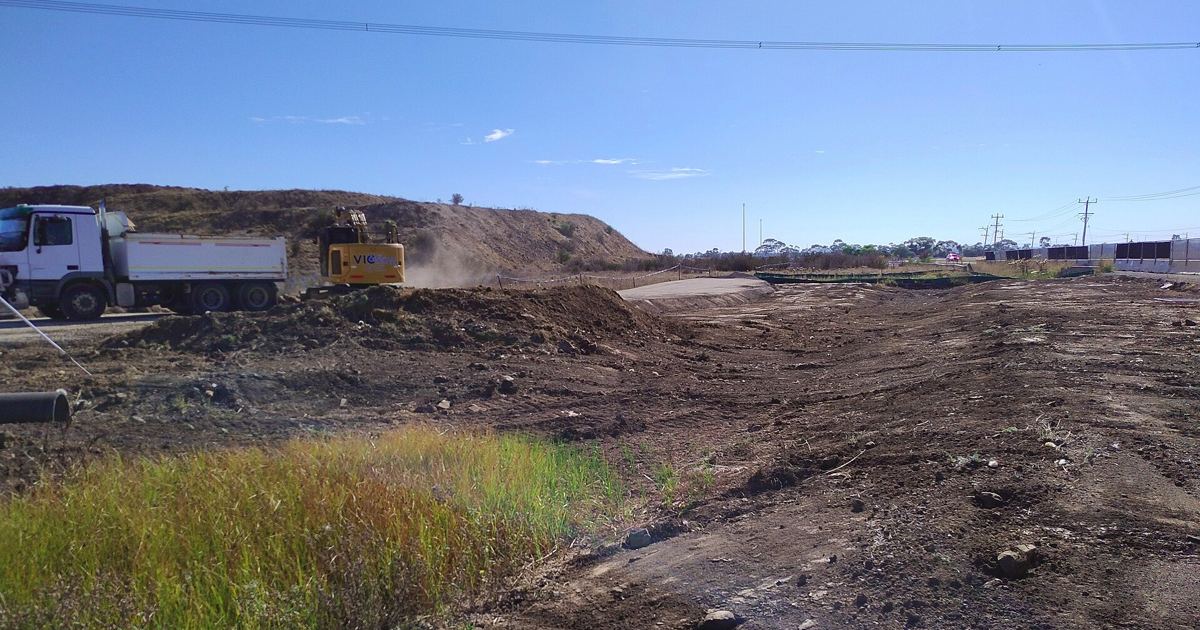
Estimators and site managers frequently budget for trucks and mobile equipment without reviewing the distinct regulatory obligations triggered when wheels leave the street. Under federal safety standards, operating vehicles on off-highway construction jobsites introduces equipment, maintenance, and operational requirements that differ from standard street driving. Failing to account for these items can distort equipment allowances, disrupt daily field productivity, and cause work delays.
Scope Comparison: Off-Highway Operations vs. Excluded Equipment
A central step in pricing jobsite logistics is determining whether your rolling stock falls under the provisions of OSHA 29 CFR 1926.601. Coverage under this standard applies exclusively to motor vehicles operating inside an off-highway jobsite that is not open to public traffic. If your pickup trucks, utility flatbeds, or transport vans cross into restricted site zones, they must satisfy these particular off-highway mandates.
However, estimators should note that the requirements of this section do not apply to equipment for which rules are prescribed in § 1926.602. Earthmoving machinery such as scrapers, loaders, agricultural or industrial tractors, and bulldozers follow those separate equipment standards rather than the general motor vehicle rules outlined here. Sorting which vehicles fall under § 1926.601 versus § 1926.602 prevents assigning incorrect pre-trip checklists or surplus mechanical upgrades during estimate assembly.
Reversing Options: Audible Reverse Alarms vs. Ground Observers
Backing incidents remain a critical concern on congested interior access roads and staging areas. When vehicles operate with an obstructed view to the rear, the regulation presents employers with two distinct compliance pathways:
- Equipping the vehicle with a reverse signal alarm that remains audible above the surrounding noise level.
- Backing the vehicle up only when a designated observer signals that it is safe to proceed.
Estimators must evaluate this trade-off when planning general site operations. Relying on an observer requires dedicated labor time that must be accounted for within trade labor or estimating general conditions. Conversely, choosing mechanical compliance requires verifying that reverse alarms are installed, functioning, and loud enough to overcome ambient jobsite noise before the vehicle arrives on site.
General Haulage vs. Dump Body Safety Mechanisms
Standard utility vehicles carry baseline hardware rules, but specialized haulage units require additional mechanical defenses. Comparing standard haulage trucks against dump trucks highlights several specific bid-day allowances required under 29 CFR 1926.601:
All haulage vehicles loaded by cranes, power shovels, loaders, or similar equipment must possess an adequate cab shield or canopy to protect the driver from falling or shifting materials. For dump trucks, the standard mandates permanently attached, positive means of support capable of locking in position to stop accidental lowering of the dump body during inspection or maintenance. Furthermore, operating levers controlling hoisting or dumping mechanisms must include a latch or device preventing accidental tripping, and tailgate trip handles must be arranged so the operator stays completely in the clear during dumping operations.
Worker Transport vs. Tool and Material Hauling
Transporting crews across sprawling commercial or civil sites demands different vehicle configurations than moving freight. Vehicles carrying personnel must provide firmly secured seating adequate for the count of employees being transported, and seat belts and anchorages meeting 49 CFR part 571 Department of Transportation Federal Motor Vehicle Safety Standards must be installed in all motor vehicles.
When utility beds or vans combine crew transport with tools, the standard dictates that tools and material must be secured against movement whenever transported in the same compartment with employees. Estimators allocating utility vehicles must budget for tie-down systems, cargo partitions, or separate storage boxes to prevent unanchored tools from striking seated workers during sudden stops.
Pre-Shift Field Inspections vs. Periodic Shop Maintenance
A major impact on project schedules is the mandatory inspection cycle. Section 1926.601(b)(14) requires that all vehicles in use undergo checks at the start of each work shift to ensure critical components are in safe operating condition and free of apparent damage before being placed into service. Estimators tracking daily crew hours or common mistakes when pricing mileage and truck costs into bids must allow for this time within shift startups.
The daily pre-shift check must verify:
- Service brakes, including trailer brake connections, emergency stopping brakes, and the hand-operated parking system.
- Tires, steering mechanisms, operating controls, safety devices, and coupling devices.
- Horns and seat belts.
- Windshield wipers, defrosters, defogging devices, reflectors, lights, and fire extinguishers where required.
Vehicles with cabs must also feature windshields with powered wipers, operable defogging or defrosting systems when environmental conditions create fogging or frosting, and cracked or broken glass must be replaced. Whenever visibility warrants added light, vehicles require at least two headlights and two taillights in operable condition, alongside brake lights that operate regardless of light levels. Rubber-tired equipment manufactured on or after May 1, 1972, must feature fenders, while equipment built before May 1, 1972, was required to have fenders by May 1, 1973; mud flaps may substitute when the vehicle is not designed for fenders. Because defects must be corrected before operating, shift schedules must accommodate immediate repairs.
Sources
eCFR: 29 CFR 1926.601 - Motor Vehicles
Published October 28, 2026. No affiliate links on this page. Facts come from the sources linked above; check them for updates.