OSHA 1926.702 Concrete Equipment: What to Ask the GC
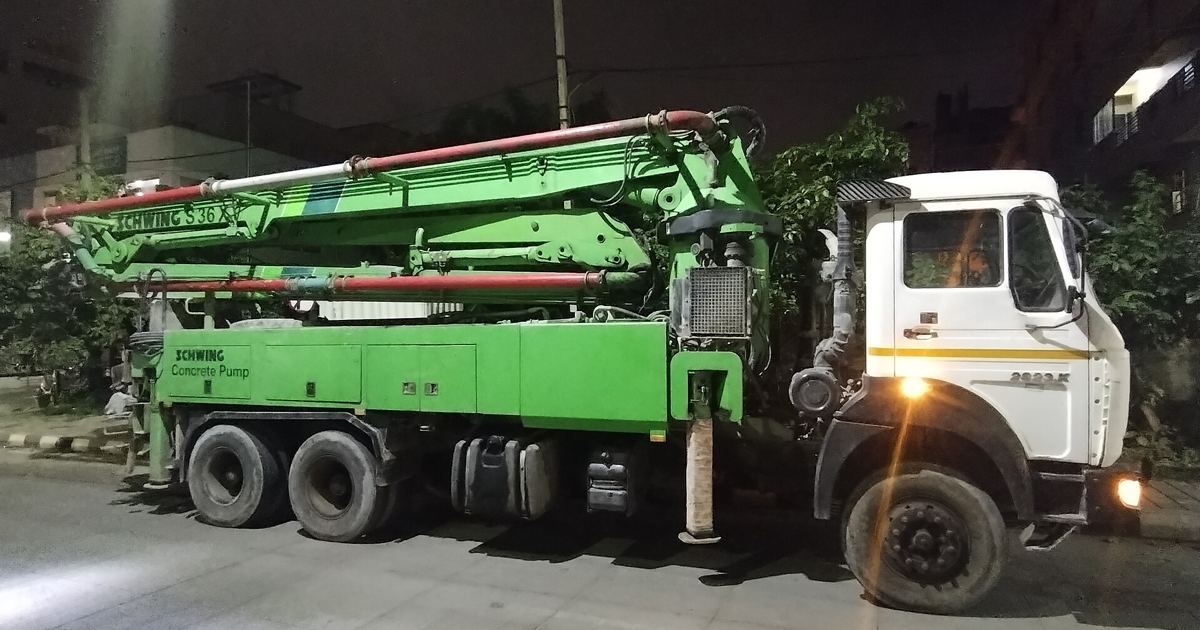
Concrete placement, batching, and masonry cutting require machinery that carries explicit federal safety obligations. When preparing bids or setting schedules, subcontractors and small general contractors cannot assume that standard site setups automatically satisfy safety rules. Under OSHA 29 CFR 1926.702, concrete tools and machinery must meet strict mechanical and design standards. Clarifying equipment responsibilities with the general contractor before bid day prevents safety disputes and unbudgeted field modifications. Factoring these requirements into your proposal through general conditions estimating keeps work zones compliant and pours moving on schedule.
Pour Path Logistics: Overhead Conductors and Crane Buckets
When planning pour paths, estimators must ask the general contractor whether placement crews will work near energized electrical conductors. Under 29 CFR 1926.702, bull float handles used where they might contact energized lines must be constructed from nonconductive material, or insulated with a nonconductive sheath providing equivalent protection. Clarifying conductor locations before pricing finishing labor ensures crews carry compliant handles rather than standard metal extensions.
Crane placements also require coordination regarding bucket hardware. When concrete buckets feature pneumatic or hydraulic gates, safety rules require positive safety latches or similar devices to prevent accidental dumping. Buckets must also be designed to prevent concrete from hanging up along the top and sides. Asking the general contractor who supplies and inspects crane buckets avoids sudden shutdowns if hoisting gear lacks compliant latches.
Pumping Lines: 100 Percent Overload Bracing and Air Hoses
Pumping concrete through multi-story structures or across slabs imposes substantial mechanical loads. Estimators must ask the general contractor who designs and installs pipe hangers and brackets. Discharge lines on concrete pumping systems must be equipped with pipe supports engineered for a 100 percent overload. Bracing must support twice the anticipated weight of pipes filled with wet concrete. Clarifying whether this engineering falls under the concrete package or general site coordination prevents unexpected backcharges.
Compressed air lines used with concrete pumps must have positive fail-safe connectors to keep hose sections from detaching under pressure. Confirming that pumping contractors provide these couplings prevents dangerous hose separations during cleanouts and routine line maintenance.
Batching and Storage: Skips, Silos, and Ejection Lockouts
For jobsites with on-site batching, estimators need clarity regarding mixer hardware and bulk storage containers. Mixers using loading skips of one cubic yard (.8 m3) or larger require protective guardrails along both sides of the skip. These units also need an integrated mechanical clearing device to empty material from the skip. When bringing a mixer of one cubic yard (.8 m3) or larger to the jobsite, estimators must ensure skip guardrails and clearing mechanisms are operational.
Bulk storage bins, containers, and silos must feature tapered or conical bottoms and mechanical or pneumatic means of starting material flow. Furthermore, no employee can enter storage facilities unless the ejection system has been shut down, locked out, and tagged to indicate it is not to be operated. Pre-bid discussions should clarify whether subcontractor crews maintain these silos and account for shutdown procedures in schedule durations.
Finishing and Cutting: Buggy Widths, Power Trowels, and Saws
Transporting and finishing concrete requires verifying manual and motorized equipment. Concrete buggy handles cannot project beyond the wheels on either side. Asking the general contractor about doorway clearances and runway layouts ensures buggies maneuver without pinching hands against formwork or masonry openings.
Slab finishing machinery also carries specific shutoff controls. Manually guided, rotating power trowels must feature a control switch that automatically cuts power when an operator releases the equipment handles. Estimators should confirm rental fleets or owned machines include functional automatic shutoffs before pricing finishing crew hours.
For cutting work, masonry saws require a semicircular guard positioned over the blade, designed with a specific method to capture flying blade fragments. Noting these tool standards in your bid exclusions and clarifications protects your estimate from surprise compliance costs.
Maintenance Windows: Equipment Lockout and Tagout Schedules
Deep placements often rely on tremies. Federal safety rules mandate that tremie assemblies and similar concrete conveyances must use wire rope or comparable materials to back up standard couplings. Estimators should ask whether the general contractor requires engineering submittals for tremie wire rope backups before placement begins.
Routine equipment maintenance also impacts project schedules. Federal standards forbid workers from servicing equipment—such as screens, pumps, mixers, or compressors—if unexpected startup could trigger injury, unless every hazardous energy source is locked out and tagged. Tags must read Do Not Start or similar language indicating the equipment is not to be operated. Estimators must ask how scheduled maintenance shutdowns fit into pour sequencing.
Pre-Bid Questions: Concrete Equipment Checklist for the GC
Before finalizing your bid or signing a subcontract, review these concrete equipment questions with the general contractor:
- Will pours occur near overhead electrical conductors requiring nonconductive bull float handles?
- Who supplies discharge pipe supports designed for 100 percent overload on concrete pumping runs?
- Do compressed air hoses on concrete pumps feature positive fail-safe joint connectors?
- Do site concrete mixers with skips of one cubic yard (.8 m3) or larger feature side guardrails and mechanical clearing devices?
- Are concrete bucket gates equipped with positive safety latches to stop accidental dumping?
- Do manual concrete buggies have handles that do not extend beyond the wheels on either side?
- Do powered, manually guided trowels have automatic shutoff switches that engage when handles are released?
- Do masonry saws feature semicircular blade enclosures designed to retain blade fragments?
- Are tremie sections secured with secondary wire rope connections?
- How are equipment maintenance windows scheduled to accommodate required Do Not Start lockout and tagging procedures?
Sources
Published October 28, 2026. No affiliate links on this page. Facts come from the sources linked above; check them for updates.