OSHA 1926.752: Steel Erection Site Layout and Plans Explained
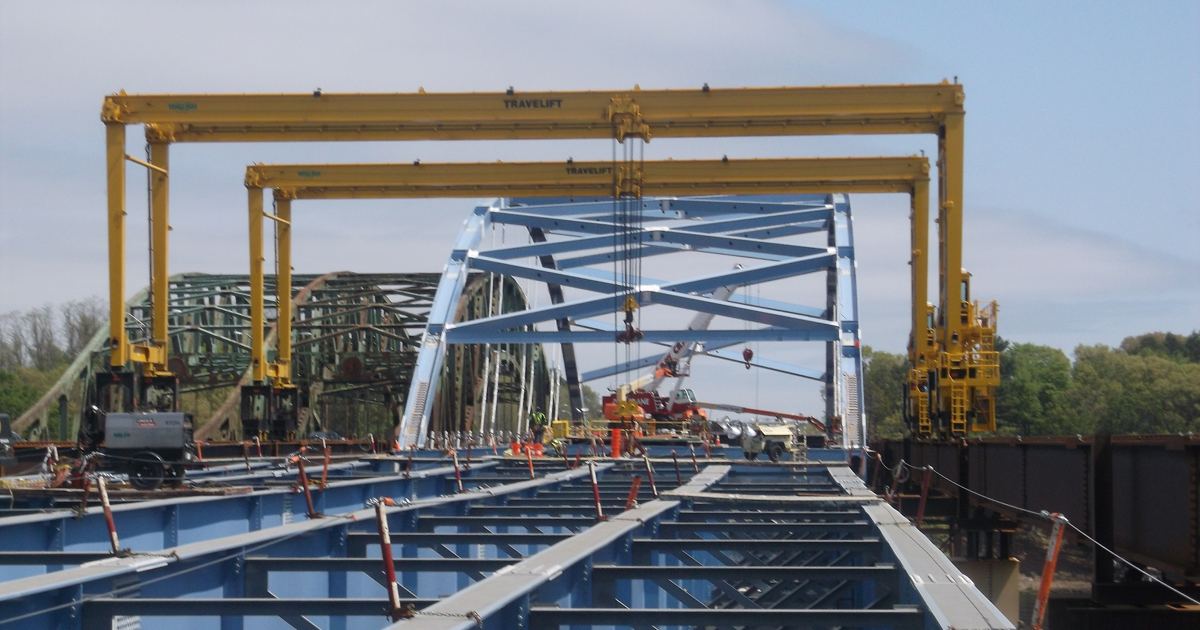
For general contractors coordinating structural packages and subcontractors pricing steel or adjacent framing assemblies, sequencing depends heavily on regulatory prerequisites. Steel erection cannot simply start when materials arrive. Federal safety standard OSHA § 1926.752 sets clear conditions that controlling contractors must meet regarding site readiness, written strength documentation, access routes, and lift planning before structural placement begins.
What Written Approval Is Required Before Steel Erection Can Begin?
Before authorizing the start of steel erection, the controlling contractor must provide the steel erector with written notification confirming that foundation components are structurally prepared. According to Section 1926.752(a), this documentation must verify that concrete in footings, piers, and walls, as well as mortar in masonry piers and walls, has reached a specified threshold. Specifically, testing based on an appropriate ASTM standard test method of field-cured samples must confirm that the material has reached either 75 percent of the intended minimum compressive design strength or sufficient strength to support the loads imposed during steel erection.
In addition, the controlling contractor must deliver written notification confirming that any repairs, replacements, and modifications to anchor bolts were performed in accordance with § 1926.755(b). Without these formal documents, steel cannot be placed on the foundations.
Can a Steel Erector Start Work Without Written Strength Verification?
No. Under Section 1926.752(b), the standard explicitly states that a steel erection contractor shall not erect steel unless it has received written notification regarding the concrete and masonry strength. Field-cured sample testing under appropriate ASTM standard test methods confirming either 75 percent compressive design strength or sufficient load-bearing capability is an absolute regulatory trigger.
For estimators and project schedulers, this rule directly impacts early project timelines. Starting steel placement without written verification exposes the project to regulatory citations and safety risks. Teams establishing milestone dates often clarify these turnover prerequisites using bid exclusions and clarifications to avoid paying for idle crane time or standby crews if concrete cures slower than projected.
What Site Layout Conditions Must the Controlling Contractor Provide?
Section 1926.752(c) places the legal burden on the controlling contractor to provide and maintain specific site conditions for the erector. The controlling contractor must ensure the following jobsite provisions are in place:
- Adequate access roads into and through the site for the safe delivery and movement of derricks, cranes, trucks, other necessary equipment, and the material to be erected.
- Means and methods for pedestrian and vehicular control on the site (though this requirement does not apply to public roads outside of the construction site).
- A firm, properly graded, and drained area readily accessible to the work.
- Adequate space within that prepared layout for the safe storage of materials and the safe operation of the erector's equipment.
When general contractors assemble project estimates, these ground preparation and staging requirements fall squarely under site coordination. Missing these expenses during the bid phase can strain field operations, making proper budgeting in estimating general conditions vital for grading, access roads, and drainage maintenance.
How Does the Standard Address Overhead Hoisting Operations?
Hoisting structural components over a busy jobsite creates immediate hazards for crews on the ground. Under Section 1926.752(d), all hoisting operations in steel erection must be pre-planned. This pre-planning ensures that the specialized hoisting requirements outlined in § 1926.753(d) are fully met before rigging and lifting commence.
When Is a Site-Specific Erection Plan Required?
A site-specific erection plan is not mandated for every single project, but it becomes mandatory under specific technical conditions. Under Section 1926.752(e), when employers elect, due to conditions specific to the jobsite, to develop alternate means and methods that provide employee protection in accordance with § 1926.753(c)(5), § 1926.757(a)(4), or § 1926.757(e)(4), a formal site-specific erection plan must be developed.
When triggered, this plan must be developed by a qualified person and remain readily available at the work site. The regulation notes that employers should look to appendix A to this subpart for guidelines when establishing their site-specific erection plans.
How Should Estimators Coordinate § 1926.752 Requirements in Bids?
Accounting for OSHA § 1926.752 requires estimators to clearly distinguish between controlling contractor obligations and subcontractor duties. Controlling contractors must budget for adequate access roads, grading, water drainage, and testing documentation. Steel subcontractors must ensure their bids account for qualified personnel time if alternate erection methods require a site-specific erection plan, while scheduling crane mobilization only after written notifications are officially executed.
Sources
Regulatory requirements cited directly from eCFR § 1926.752 Site layout, site-specific erection plan and construction sequence.
Published October 28, 2026. No affiliate links on this page. Facts come from the sources linked above; check them for updates.