OSHA 29 CFR 1926.101 Hearing Protection: Bid-Day Checklist
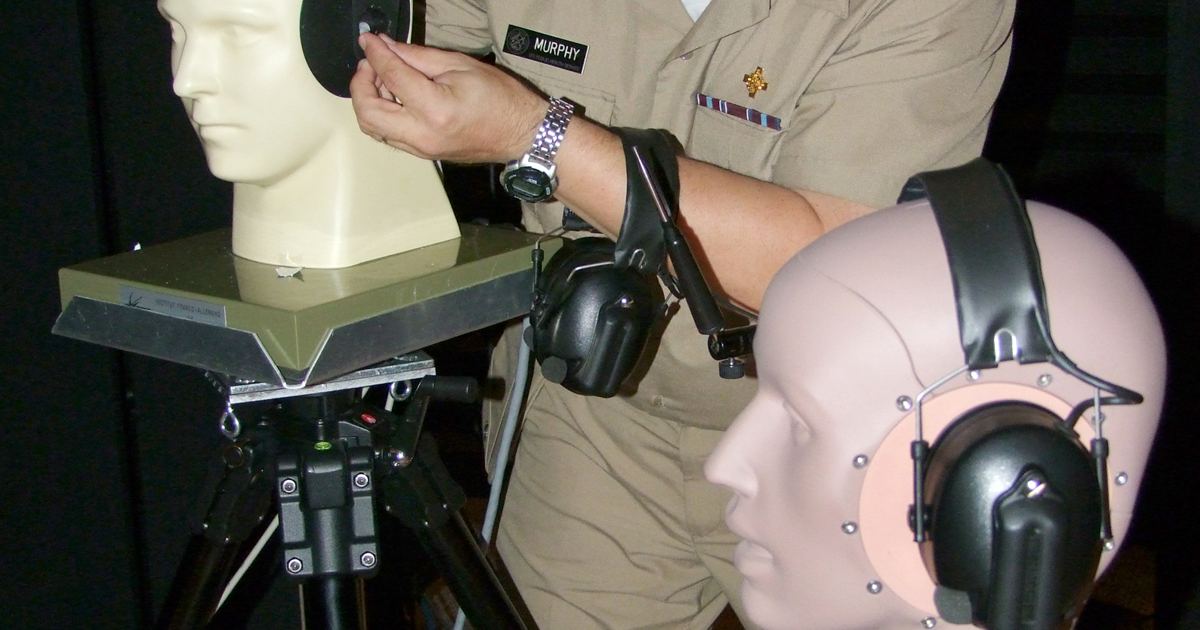
Interior trade contractors, framing crews, ceiling installers, and commercial subcontractors routinely operate in acoustically punishing environments. When evaluating project scopes on bid day, safety gear is often treated as an afterthought or bundled into an unexamined overhead line. However, the federal standard under 29 CFR 1926.101 mandates specific operational and equipment requirements for hearing conservation on construction sites. Overlooking these requirements during estimating creates risk for compliance failures, unscheduled project delays, and unexpected field expenses. Use this bid-day checklist to verify your numbers and trade schedules against federal mandates.
Checklist Item: Review Noise Exposure Thresholds Under Table D-2
Federal regulations link hearing protection directly to permissible exposure boundaries. Under 29 CFR 1926.101, ear protective devices must be provided and used whenever it is not feasible to lower sound levels or shorten exposure durations to the thresholds defined in Table D-2, Permissible Noise Exposures, of § 1926.52. Estimators must evaluate the physical jobsite environment rather than assuming standard equipment is optional.
When reviewing trade bid packages, verify whether engineering interventions or administrative resequencing can feasibly lower exposure. If cutting steel studs, fastening track into structural decks, or working alongside heavy trades exceeds the baseline established in Table D-2, the estimate must explicitly include approved personal ear protection. For deeper context on evaluating jobsite sound durations, review our guide to OSHA 29 CFR 1926.52: Calculating Noise Exposure on Construction Bids.
Checklist Item: Account for Competent Person Determinations
A frequent estimating oversight is assuming protective gear can simply be dropped off at the jobsite in bulk cartons without supervision. Paragraph (b) of the standard specifically requires that ear protective devices inserted in the ear must be fitted or determined individually by competent persons. This rule has direct implications for your field labor budget.
- Verify that your site management team includes designated competent persons who have the authority and expertise to perform individual fittings or make individual determinations.
- Calculate the indirect supervisory hours required for a competent person to inspect and fit workers before high-exposure work packages begin.
- Factor in crew turnover and onboarding time, ensuring new crew members undergo proper determination before entering active acoustic zones.
Checklist Item: Prohibit Non-Compliant Materials in Field Purchases
Jobsite practices sometimes drift when crews run out of approved equipment, leading workers to use makeshift options. The standard explicitly states that plain cotton is not an acceptable protective device. If your procurement plan does not carry enough certified hearing protection units, field staff may attempt temporary substitutes that violate federal rules.
Estimators should review line-item supply costs to ensure crews have uninterrupted access to compliant earplugs or earmuffs. Check that project supply allowances account for real-world replacement rates, packaging losses, and multiple device sizes to support individual fitting by the competent person.
Checklist Item: Structure Hearing Compliance in General Conditions
Deciding where to carry hearing protection costs keeps your unit rates accurate and transparent. Rather than burying safety compliance into inflated trade unit rates or hoping trade overhead absorbs the expense, allocate personal protective gear and evaluation time under direct jobsite overhead. Reviewing your setup against Estimating General Conditions: The Job Costs That Aren't in Your Takeoff ensures these items are captured cleanly.
On bid day, review whether the project scope assigns personal protective equipment responsibilities to the subcontractor or the general contractor. If the subcontract agreement leaves personal ear protection to your trade, ensure the general conditions sheet carries both the equipment purchase expenses and the competent person labor allocations required by the regulation.
Checklist Item: Integrate Fitting Time into Trade Schedules
Compliance is not purely a material expense; it also influences labor schedules and task durations. Because devices inserted into the ear must be fitted or determined individually by competent persons, field operations cannot start immediately upon crew arrival. Failing to account for this initial setup compresses trade productivity.
Include competent person review periods in pre-task safety meetings, jobsite orientations, and project phasing plans. By building fitting and selection procedures into the master project schedule, estimators protect field superintendents from schedule friction and ensure full adherence to federal safety rules from day one.
Sources
Primary regulatory requirements referenced from the following official source:
Published October 28, 2026. No affiliate links on this page. Facts come from the sources linked above; check them for updates.