OSHA 29 CFR 1926.301 Hand Tool Rules for Bids and Schedules
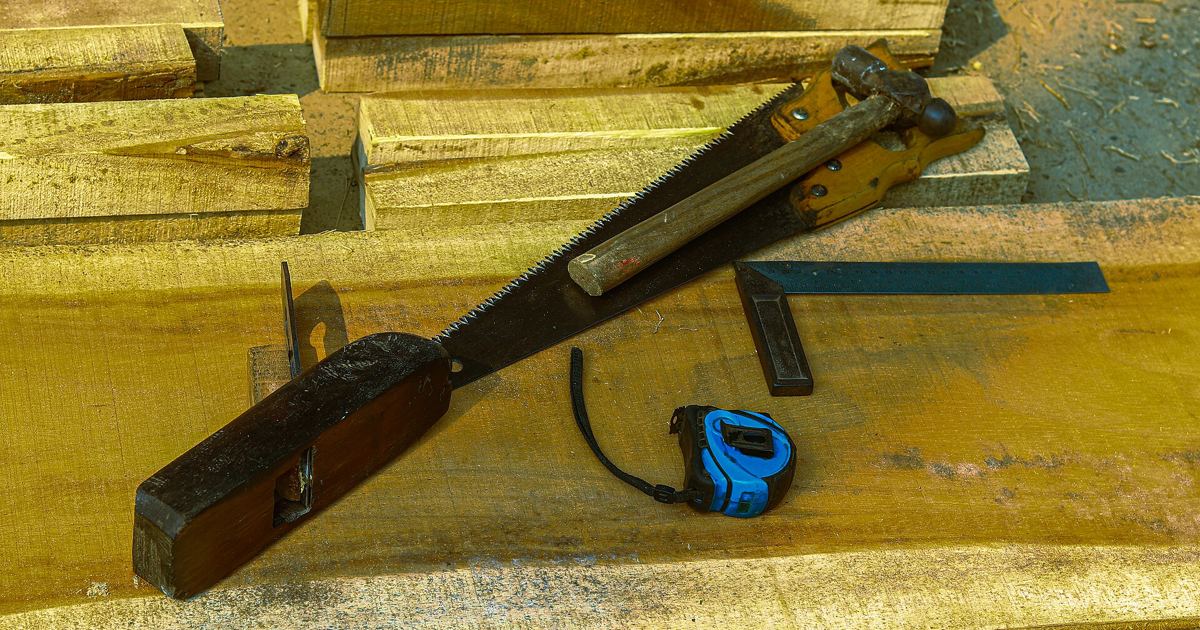
Managing trade operations requires estimators and project managers to understand baseline federal requirements for everyday equipment. Hand tools may seem straightforward, but safety regulations mandate how contractors maintain, inspect, and replace basic gear on site. Under OSHA 29 CFR 1926.301, employers must follow specific safety standards regarding hand tool condition. Overlooking these requirements during bidding can result in unanticipated equipment purchases, productivity slowdowns, and jobsite compliance interruptions.
The Employer Standard: Prohibiting Unsafe Equipment
The foundational directive of the standard establishes an active duty for employers. Under the rule, employers shall not issue or permit the use of unsafe hand tools. This means responsibility extends beyond company-purchased equipment. If an employee brings an unsafe tool to the jobsite, permitting its use violates federal standards.
For estimators and project managers, this requirement highlights the importance of budgeting for tool availability. When an unsafe tool is identified, field supervisors must remove it from service immediately. If an estimate does not carry adequate tool replacement funds or inventory allowances, crews may face downtime while waiting for compliant replacements to arrive.
Wrench Standards: Sprung Jaws and Slippage
The standard establishes precise conditions under which wrenches must be removed from service. According to the text, wrenches—including adjustable, pipe, end, and socket wrenches—shall not be used when jaws are sprung to the point that slippage occurs.
When wrench jaws spread or deform, they slip under pressure, creating direct hazards for workers and damaging hardware or materials. For trade contractors installing framing, ceiling grid, piping, or wall assemblies, wrench slippage slows production. Carrying replacement line items within general conditions estimating allows project teams to swap out compromised adjustable, pipe, end, or socket wrenches without delay.
Impact Tools: Eliminating Mushroomed Heads
Impact tools receive specific attention under the regulation due to the risks associated with repeated striking. The rule requires that impact tools, such as drift pins, wedges, and chisels, shall be kept free of mushroomed heads.
Striking an impact tool repeatedly causes the metal head to flatten, spread, and form a mushroomed perimeter. When struck, mushroomed metal edges can shear off or shatter. To ensure compliance on the jobsite, crews must maintain impact equipment through regular maintenance:
- Drift pins used to align components must have clean striking faces without spreading edges.
- Wedges driven during installation must remain smooth and free of curled metal.
- Chisels subjected to repeated strikes must be dressed smooth or removed from rotation.
In bids and job schedules, contractors should account for the labor required to inspect impact tools and dress struck surfaces, or budget for frequent replacement of worn chisels and pins.
Wooden Handles: Cracks, Splinters, and Tightness
Tools with wooden handles are subject to strict structural standards. The regulation specifies that the wooden handles of tools shall be kept free of splinters or cracks and shall be kept tight in the tool.
A cracked or splintered handle can snap unexpectedly under load, while a loose handle allows the striking head or working end to fly off during use. Field teams must actively check hammers, mallets, and other handled equipment. Makeshift repairs, such as wrapping cracked handles with tape, do not satisfy safety standards and must be prohibited. Allocating time for brief pre-shift checks ensures that loose or cracked wooden handles are caught before work begins.
Factoring Tool Compliance into Cost Estimates and Schedules
Compliance with OSHA 29 CFR 1926.301 should be incorporated directly into operational estimates rather than absorbed as unexpected overhead. Estimators can account for hand tool compliance by focusing on several practical areas:
- Replacement Budgeting: Include allowances for replacing sprung pipe wrenches, worn socket wrenches, damaged wedges, and cracked wooden handles throughout the project duration.
- Maintenance Allowances: Account for shop or field labor required to grind down and dress mushroomed heads on chisels and drift pins.
- Inspection Time: Factor short daily tool safety inspections into field supervision hours to ensure unsafe tools are not permitted on the floor.
- Clear Proposal Terms: Define tool supply responsibilities within bid exclusions and clarifications to avoid disputes regarding subcontractor tool maintenance across shared job areas.
Sources
Published October 28, 2026. No affiliate links on this page. Facts come from the sources linked above; check them for updates.