OSHA 29 CFR 1926.501 Bidding Walk-Through: The 6-Foot Rule
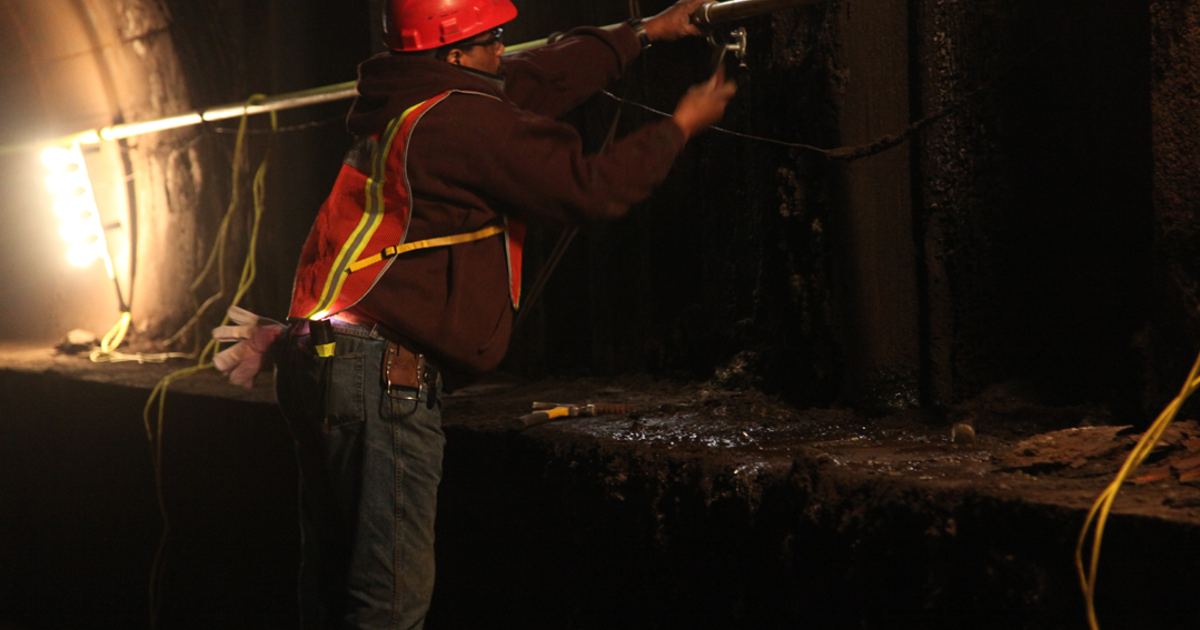
When estimating framing, drywall, ceiling, or interior packages, safety controls directly influence labor productivity, equipment choices, and jobsite indirect costs. Federal workplace standards place firm obligations on contractors before trade crews set foot on elevated decks. Walking through a multi-level commercial project estimate shows where safety obligations arise under OSHA 29 CFR 1926.501, how the 6 feet (1.8 m) fall distance threshold alters site setup, and how estimators should account for these mandatory controls when preparing proposals.
Evaluating Surface Strength and Structural Integrity
A systematic bid review begins before any crew member steps onto a deck. Under the general provisions of the rule, employers must determine whether walking and working surfaces possess the strength and structural integrity to carry employees safely. Workers are permitted on those surfaces only after that structural integrity has been verified.
During an interior or exterior framing takeoff, an estimator cannot simply assume temporary plywood subfloors, open joists, or elevated decks will safely support material stacks and installation crews. If structural verifications, engineering sign-offs, or deck shoring are necessary to confirm surface strength, the estimator must determine whether those measures are handled by the general contractor or carried as an item in the subcontractor estimate.
Protecting Unprotected Sides and Perimeter Edges
The central requirement across elevated construction work is the 6 feet (1.8 m) threshold for open perimeters. Under OSHA 29 CFR 1926.501, any employee on a walking or working surface with an unprotected side or edge that is 6 feet (1.8 m) or more above a lower level must be safeguarded. The rule outlines three compliant systems:
- Guardrail systems erected along open edges.
- Safety net systems installed beneath elevated levels.
- Personal fall arrest systems worn and tethered by individual workers.
Leading edge work presents similar requirements. Workers engaged in leading edge construction 6 feet (1.8 m) or higher must be protected by guardrails, safety nets, or personal fall arrest. While the rule permits an alternative fall protection plan when conventional systems are infeasible or create a greater hazard, the standard establishes an explicit presumption that conventional protection is feasible. Crew members working on the same surface who are not building the leading edge must also receive guardrails, safety nets, or personal fall arrest equipment.
Managing Floor Holes, Skylights, and Wall Openings
Estimators must inspect project drawings for horizontal penetrations and perimeter wall voids. The standard establishes strict protections for openings across three specific hazard types:
- Falls through openings: Employees on walking or working surfaces must be protected from falling through holes, including skylights, that sit more than 6 feet (1.8 m) above lower levels by using personal fall arrest systems, secure covers, or guardrail systems built around the opening.
- Trip hazards: Covers must prevent workers from stepping into or tripping in floor holes.
- Falling items: Covers must stop tools and construction materials from falling through openings to levels below.
Wall openings also require careful tracking during framing and drywall takeoff. When an employee works near a wall opening where the outside bottom edge is 6 feet (1.8 m) or more above lower levels and the inside bottom edge rests less than 39 inches (1.0 m) above the deck, fall protection is mandatory. Estimators should utilize bid exclusions and clarifications to define whether the general contractor or the framing subcontractor builds, maintains, and removes window opening guardrails and mechanical shaft covers.
Covering Material Hoist Locations and Falling Objects
Landing framing steel, drywall boards, and ceiling grid onto upper levels requires designated hoisting zones. When an employee works in a hoist area 6 feet (1.8 m) or more above a lower level, guardrail systems or personal fall arrest systems must be used. If guardrails are temporarily removed to receive incoming material bundles, and a crew member must lean through or over the edge of the access opening to guide equipment, that worker must use a personal fall arrest system.
Trade contractors must also protect against falling objects when overhead work occurs. The rule requires employees to wear hard hats and directs employers to enforce one of three physical site controls:
- Installing toeboards, screens, or guardrail systems to prevent debris from falling from higher levels.
- Erecting canopy structures while keeping loose materials stored away from edges.
- Barricading the drop area below, barring employee entry, and keeping materials back from elevated edges.
Structuring Fall Protection Allowances in Your Proposal
Every protective requirement translates directly into material purchases, maintenance hours, and labor staging. Rather than burying these mandatory controls in overhead, estimators can budget required barriers, safety harnesses, and opening covers within estimating general conditions or dedicated safety line items.
On ramps, runways, and other walkways, guardrail systems are compulsory whenever the fall distance reaches 6 feet (1.8 m) or higher. Working near dangerous equipment requires guardrail systems or equipment guards even at distances under 6 feet (1.8 m), while working 6 feet (1.8 m) or more above dangerous machinery mandates guardrails, safety nets, or personal fall arrest equipment. Identifying these triggers during preconstruction keeps bids accurate and prevents unbudgeted safety expenses on site.
Sources
Published October 28, 2026. No affiliate links on this page. Facts come from the sources linked above; check them for updates.