OSHA 29 CFR 1926.963: High-Voltage Testing Rules
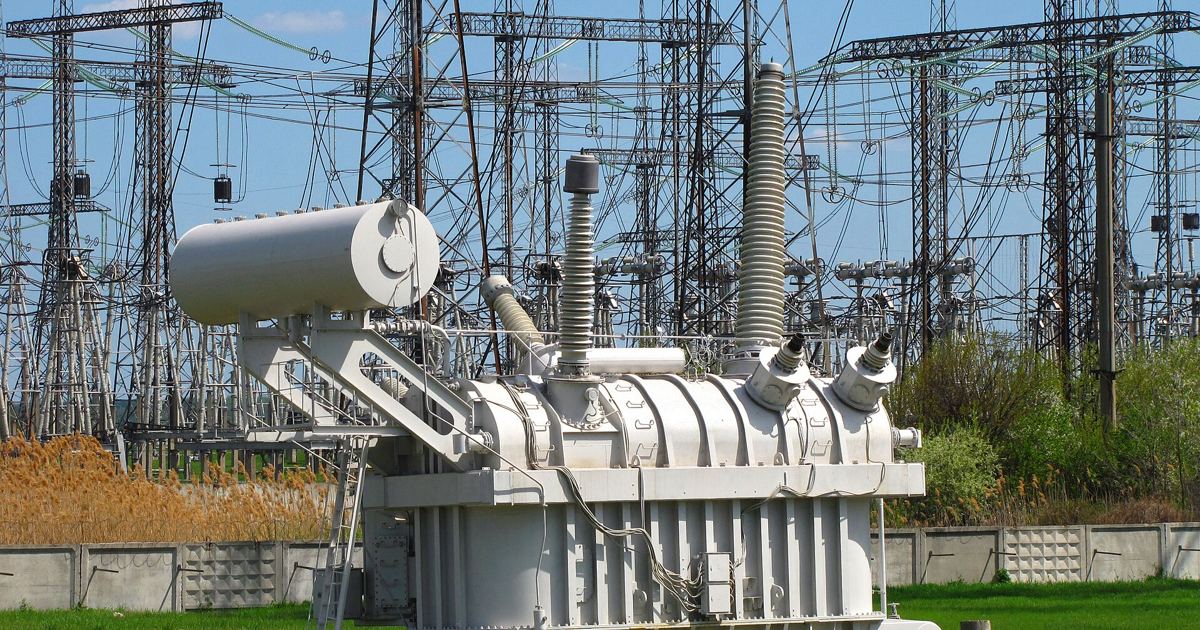
High-voltage and high-power testing introduces unique site hazards during electrical transmission and distribution projects. Whether operating inside permanent laboratories and substations or setting up temporary field configurations on transmission lines, crews encounter equipment energized through direct or inductive coupling. Federal safety regulations under 29 CFR 1926.963 set specific requirements for testing facilities, barrier controls, grounding methods, and control circuits. Understanding what the standard mandates—and what it excludes—keeps site operations compliant and work areas secure.
Myth 1: Routine Line Metering Falls Under 1926.963 Testing Rules
Fact: The standard does not cover ordinary line operations or continuous metering. Under 29 CFR 1926.963(a), the rules apply strictly to testing involving interim measurements using high voltage, high power, or combinations of both. The standard does not apply to continuous measurements such as those performed during routine metering, relaying, and normal line work.
OSHA explicitly notes that routine inspection and maintenance measurements made by qualified employees are considered routine line work outside the scope of this section, provided the intrinsic high-voltage or high-power hazards require only normal line precautions. Standard procedures such as "phasing-out" testing and testing for a "no-voltage" condition are excluded from the test facility standard. For broader scope questions on transmission line work, estimators and project teams can review our guide to OSHA Subpart V Scope: 29 CFR 1926.950 Myths vs. Facts.
Myth 2: Basic Cones and Flagging Provide Sufficient Perimeter Safeguards
Fact: Test areas require formal physical safeguarding designed to control access to test apparatus and prevent accidental contact. For permanent facilities, the employer must install walls, fences, or other barriers designed to keep unauthorized personnel out.
For temporary test sites or field testing not protected by permanent fences and gates, employers must deploy one of three specific protective measures:
- Distinctively colored safety tape supported approximately waist high with safety signs attached to it;
- A barrier or barricade that limits access physically and visually to a degree equivalent to waist-high safety tape with signs; or
- One or more test observers stationed so that they can monitor the entire area.
Employers must also ensure that temporary safeguards are removed as soon as workers no longer need the protection they afford.
Myth 3: Deenergizing Equipment Eliminates the Need for Immediate Grounding
Fact: Ungrounded terminals must always be treated as energized until verification tests prove they are deenergized. Furthermore, employers must maintain all conductive parts accessible to the test operator at ground potential while the equipment runs at high voltage.
Once high-voltage circuits are deenergized, visible grounds must be placed automatically or applied manually by workers using properly insulated tools before anyone performs work on the circuit or apparatus. Common grounds must connect solidly to both the test equipment and the item under test. In high-power testing, an isolated ground-return conductor system must be used to keep test current and voltage rise out of the earth or grounding grid, unless distance prevents its installation and workers are protected from step and touch potentials.
Capacitance adds another critical layer of control. Before any worker applies a direct ground after testing, high capacitance equipment must be discharged through a resistor rated for the available energy. The direct ground may only be attached to exposed terminals after stored energy drops to a safe level.
Myth 4: Field Test Trailers and Control Consoles Do Not Require Dedicated Safety Observers
Fact: Control circuits and field vehicles carry explicit design and personnel safeguards. When using a test trailer or vehicle in the field, its chassis must be grounded, and employees must be protected against touch potentials using bonding, insulation, or isolation. Control wiring, meter connections, test leads, and cables extending from a test area must run in grounded metallic sheaths terminated in grounded metallic enclosures, unless equivalent safety precautions are demonstrated.
If meters or instruments have accessible terminals that could become energized, they must be isolated from personnel. When located in metal compartments with viewing windows, interlocks must automatically interrupt the power supply if the compartment cover is opened. Crucially, if any employee remains inside the test area during active testing, an observer capable of implementing the immediate deenergizing of test circuits must be stationed in the area. For coordinating general line crew safety roles, see our Power Line Safety Guide: Briefings, First Aid, and Ladder Rules.
Fact Checklist: Mandatory Pre-Test Safety Verifications
Safety practices for temporary and field testing require a routine safety check conducted by the test operator in charge before each series of tests begins. The operator must confirm the following jobsite conditions:
- Barriers and safeguards are in workable condition and properly positioned to isolate hazardous areas;
- System test status signals, when installed, are fully operable;
- Clearly marked test-power disconnects are readily accessible for emergency use;
- Ground connections are clearly identifiable across all equipment;
- Personal protective equipment is provided and used in compliance with Subpart E and Subpart V; and
- Proper separation is maintained between signal, ground, and power cables.
Sources
Safety mandates and facility guidelines referenced in this article are established under federal workplace standards:
Published October 31, 2026. No affiliate links on this page. Facts come from the sources linked above; check them for updates.