OSHA Crane Operation Rules: § 1926.1417 Q&A for Bidders
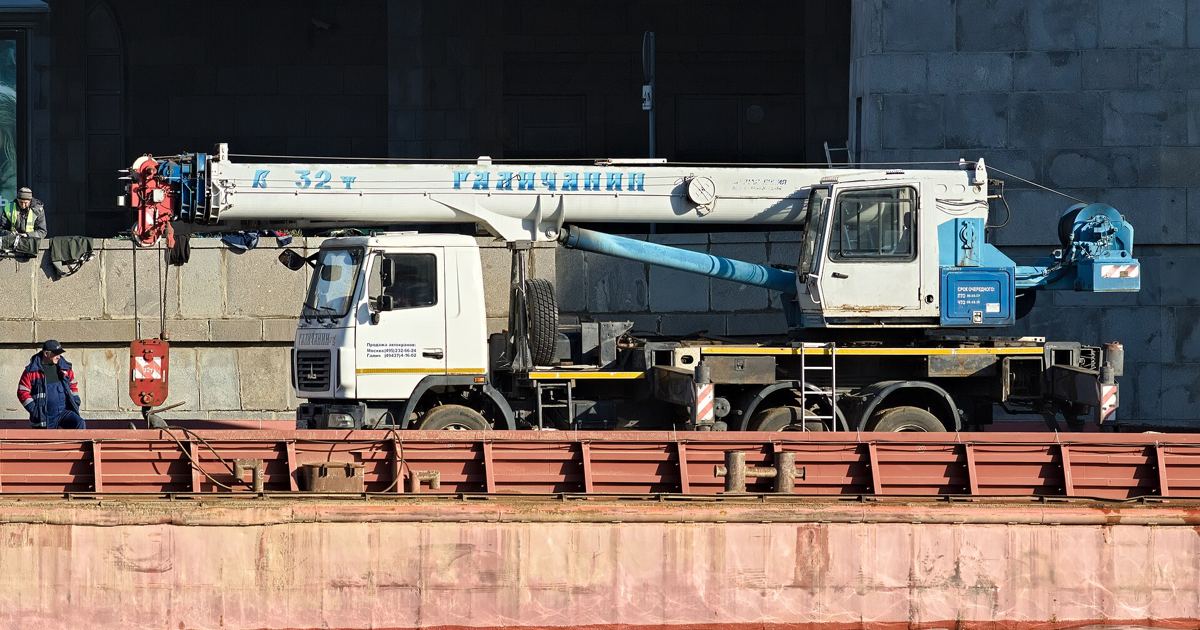
When an estimate depends on heavy lifting to set structural framing, stage sheet materials, or position mechanical equipment, crane operational protocols dictate daily field pacing. Federal safety standards establish strict operational boundaries under eCFR § 1926.1417 that direct how operators handle equipment, how lift planners verify loads, and how trade contractors coordinate hook time. Understanding these mandatory procedures ensures estimators and project teams account for real jobsite controls in their general conditions estimating and work plans.
What Documentation and Procedures Must Be Inside the Crane Cab?
The standard mandates that the employer comply with all manufacturer procedures applicable to the operational functions of the equipment, including its use with attachments. The operational procedures, rated capacities (load charts), recommended operating speeds, special hazard warnings, instructions, and operator's manual must remain readily available in the cab at all times for the operator.
If manufacturer procedures are unavailable, the employer must develop procedures necessary for safe operation. A qualified person must develop procedures for the operational controls. A registered professional engineer familiar with the equipment must develop and sign all procedures related to equipment capacity. If load charts are maintained solely in an electronic format and that system fails, the operator must immediately cease operations or follow safe shut-down procedures until rated capacities become accessible again.
How Does an Operator Verify Load Weight and Working Capacity?
Under § 1926.1417 Operation, equipment must never be operated in excess of its rated capacity, and the operator cannot be required to exceed that rating. The operator must verify that the load falls within rated capacity using at least one established method:
- Determining weight from an industry-recognized source, such as the product manufacturer, or calculating weight through recognized methods like multiplying measured dimensions by known per-foot weights (such as a steel beam), with this data provided to the operator prior to the lift upon request.
- Hoisting the load to determine with a load weighing device, load moment indicator, rated capacity indicator, or rated capacity limiter whether the pick exceeds 75 percent of the maximum rated capacity at the longest radius used during the operation. If it exceeds 75 percent, the operator cannot proceed until verifying actual weight through a recognized source or calculation method.
Safety devices and operational aids are strictly prohibited from serving as substitutes for the operator's professional judgment.
When Are Suspended Loads Allowed to Be Left Unattended?
As a rule, an operator must not leave the controls while a load remains suspended. An exception exists only when all of the following conditions are satisfied:
- The operator remains adjacent to the equipment and does not engage in other duties.
- The load must be held suspended for a duration exceeding normal lifting operations.
- A competent person determines that the hold is safe and implements measures to restrain the boom hoist, telescoping, load, swing, and outrigger or stabilizer functions.
- Barricades or caution lines and notices are erected to prevent all employees from entering the fall zone, including employees specified under §§ 1926.1425(b)(1) through (3), § 1926.1425(d), or § 1926.1425(e).
This unattended load restriction does not apply to working gear such as slings, spreader bars, ladders, and welding machines, provided the weight is negligible relative to the equipment's capacity as positioned and the gear is suspended away from building entrances or exits.
What Maneuvering and Braking Restrictions Dictate Field Pacing?
Equipment cannot be used to drag or pull loads sideways, and the boom or other crane components must never contact obstructions. On wheel-mounted equipment, loads must not be lifted over the front area unless expressly authorized by the manufacturer. Rotational speed must prevent loads from swinging beyond controllable radii, and a tag or restraint line must be used whenever necessary to prevent hazardous rotation.
The operator must test the brakes each time a load that is 90% or more of the maximum line pull is handled by lifting the load a few inches and applying the brakes. On repetitive and duty-cycle lifts where each lift is 90% or more of maximum line pull, this brake test is required for the first lift but not successive picks. Furthermore, neither the load nor the boom may be lowered to a point where less than two full wraps of rope remain on their drums.
Traveling with a load is barred entirely if prohibited by the manufacturer. When travel is permitted, a competent person must supervise the move, set route limits, monitor ground support, check overhead obstructions, and determine if derating capacity is necessary. For tired units, manufacturer tire pressures must be maintained. Regardless of activity, the operator must obey a stop or emergency stop signal from anyone on the jobsite.
What Actions Are Required for Weather, Defects, and Tag-Outs?
When a local storm warning is issued, a competent person must evaluate whether to implement manufacturer recommendations for securing the crane. A competent person must also adjust equipment and operations for the effects of wind, ice, and snow on equipment stability and capacity. If slack rope develops requiring re-spooling, it must be verified that the rope seats properly on the drum and sheaves before hoisting resumes.
Operators are prohibited from using equipment or starting controls bearing tag-out or maintenance warning signs until authorized removal occurs or proper repairs are verified. When adjustments or repairs are needed, the operator must inform the employer's designated contact in writing, as well as the next operator across successive shifts. The employer must notify all affected employees of needed repairs and alternative measures at the start of each shift. Clarifying equipment responsibilities in advance through bid exclusions and clarifications keeps hoist operations compliant and transparent.
Sources
Regulatory operational requirements referenced above originate from the following official federal source:
Published October 29, 2026. No affiliate links on this page. Facts come from the sources linked above; check them for updates.