Bidding Crane Swing Radius Control Under OSHA § 1926.1424
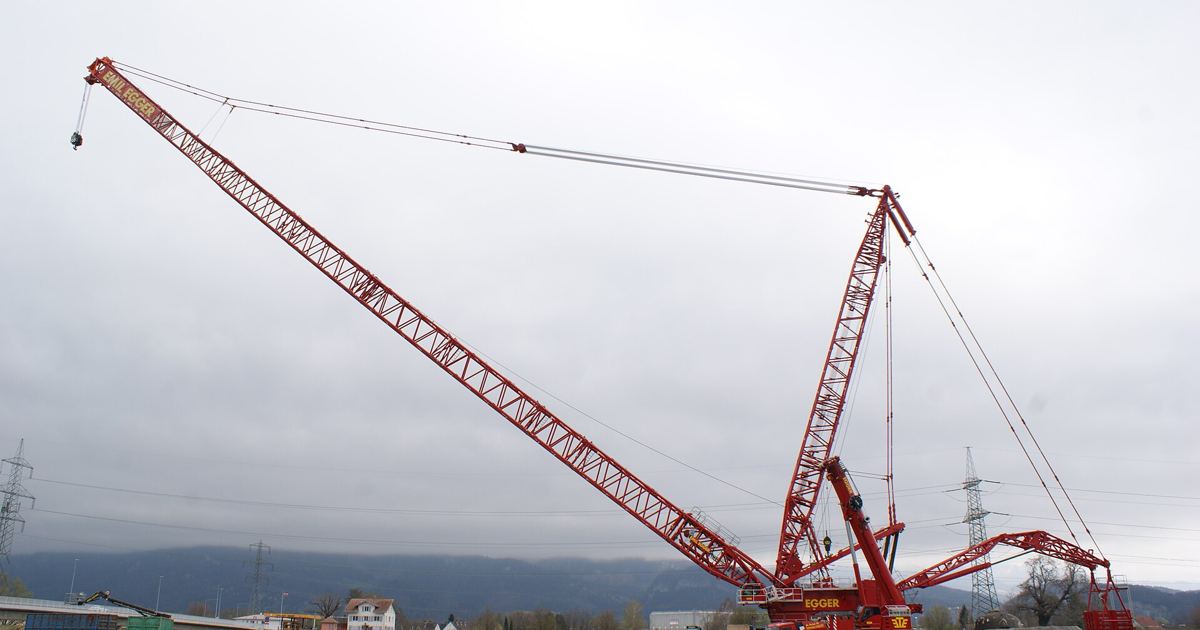
When heavy hoisting machinery swings across a busy jobsite, the counterweight and rotating structure create severe struck-by and crushing hazards. Federal safety regulations under OSHA § 1926.1424 dictate specific work area control procedures that employers must follow to protect workers from rotating superstructures. For estimators, project managers, and trade contractors, meeting these mandates requires direct line-item allowances for perimeter equipment, hazard training, communication delays, and site coordination. This step-by-step walkthrough explains what the standard demands and how to build compliance directly into your bids and schedules.
Step One: Identify Rotating Superstructure and Pinch-Point Hazards
The requirements under work area control apply directly to accessible areas where equipment has a rotating superstructure, whether that superstructure is mounted permanently or temporarily. Compliance begins by evaluating whether the swinging machine poses a reasonably foreseeable risk of striking and injuring an employee, or pinching and crushing an employee against another part of the equipment or another stationary object on site.
During the estimating and bid-planning phase, review site logistics drawings to identify where the crane setup footprint intersects with foot traffic, exterior staging, material hoists, or structural framing. Recognizing these accessible zones before mobilization ensures you price appropriate perimeter protection rather than dealing with unbudgeted stop-work orders in the field.
Step Two: Price Barricades and Worker Hazard Recognition Training
To prevent workers from entering hazardous swing areas, employers must implement two primary protective controls: physical boundary markers and workforce instruction. First, you must erect and maintain control lines, warning lines, railings, or similar barriers that clearly establish the boundaries of the hazard areas. Incorporate the purchase, setup, and maintenance of these physical barriers into your general conditions estimating sheets.
Second, the employer must train each employee assigned to work on or near the equipment—classified by the standard as authorized personnel—in how to recognize struck-by and pinch/crush hazard zones created by the rotating machinery. Estimators must carry labor allowances for the onboarding and safety meeting time needed to instruct all tradesmen working in proximity to the crane.
Step Three: Plan for the Marking and Signage Alternative
In certain congested jobsite conditions, erecting physical barriers along the ground or on the machine may be impossible. OSHA allows an exception when an employer demonstrates that barrier installation on the ground or on the equipment is not feasible. When this condition is met, the employer must clearly mark hazard areas using a combination of two distinct visual systems:
- Warning signs, such as signs reading "Danger—Swing/Crush Zone."
- High visibility markings installed directly on the equipment to identify the hazard boundaries.
When relying on this feasibility exception, the employer must also train each worker to understand what these markings signify. If your project layout prevents standard barricades, bid the necessary safety signage, reflective hardware markings, and employee instructional hours accordingly.
Step Four: Establish Required Communication Systems and Delays
Preventing incidents when workers must enter pinch zones requires strict coordination with the equipment operator. Under eCFR § 1926.1424, before an employee enters a hazard area location that is out of view of the operator, the employee—or someone instructed by the employee—must ensure that the operator is informed of their movement.
Once the operator is aware that an employee has entered this hazard area, the operator is legally prohibited from rotating the superstructure until informed through a pre-arranged system of communication that the worker is in a safe position. These mandatory pauses directly influence hoisting cycle times. Project schedulers should integrate realistic communication buffers into daily hook-time projections, while estimators should account for these operational pauses in production rates.
Step Five: Coordinate Operations Within Overlapping Crane Radii
Work area control also governs multiple hoisting rigs on crowded commercial projects. Where any part of a crane or derrick is positioned within the working radius of another crane or derrick, the controlling entity must institute a system to coordinate operations. If the project lacks a controlling entity, the employer operating multiple units, or the separate employers on site, must institute the operational coordination system themselves.
Subcontractors operating mobile cranes or boom trucks should document working boundaries early and reference jurisdictional coordination protocols in their bid exclusions and clarifications. Clearly outlining who manages shared airspace prevents surprise operational shutdowns and disputes over idle equipment costs.
Step Six: Incorporate Work Area Control into the Bid Summary
Pulling work area control compliance into a final bid requires consolidating both direct material expenses and indirect schedule impacts. Use a structured estimating checklist to capture every facet of the rule:
- Material costs for control lines, warning lines, stanchions, or railings to barricade the rotating superstructure perimeter.
- Signage and equipment marking kits for areas where physical barricades prove infeasible.
- Labor hours for training authorized personnel to identify rotating hazards and interpret danger signs.
- Schedule allowances for pre-arranged communication checks before the operator rotates the superstructure.
- Management time dedicated to coordinating shared boom radii with the controlling entity.
Sources
Published October 28, 2026. No affiliate links on this page. Facts come from the sources linked above; check them for updates.