OSHA Dive Procedures Checklist: 29 CFR 1910.422 and 1910.423
Marine construction, underwater utility penetrations, and substructure repairs introduce specialized safety requirements that general contractors and trade estimators must budget for accurately. Under federal regulations, commercial dive work requires strict adherence to operating parameters in the water and comprehensive post-dive management on the surface. Understanding the mandates established in 29 CFR 1910.422 and 29 CFR 1910.423 helps project planners account for essential equipment, personnel standby durations, and mandatory administrative logs.
Checklist 1: Operational Controls During the Dive
Under 29 CFR 1910.422, the employer must enforce baseline safety protocols throughout the working interval of every dive. When pricing labor and logistics, verify that the site setup incorporates the following items:
- Water Entry and Exit Support: Provide a means capable of supporting the diver for entering and exiting the water, ensuring the exit apparatus extends below the water surface. Supply dedicated equipment to extract an injured diver from the water or into a bell.
- Two-Way Communication: Maintain an operational two-way voice communication system connecting each surface-supplied air or mixed-gas diver with a dive team member at the dive location or bell, as well as between the bell and the surface station. A separate two-way communication system must be operational at the dive station to contact outside emergency assistance.
- Profiles and Decompression Tables: Keep decompression, repetitive, and no-decompression tables directly at the dive location. A continuous depth-time profile, noting breathing gas changes when appropriate, must be maintained for each individual diver throughout the dive and decompression.
- Powered Tools and Hot Work: De-energize hand-held electrical tools before submerging or retrieving them, and never supply power until requested by the diver. When welding or burning, ensure the machine frame is grounded, cables and connections are properly insulated for maximum current, and insulated gloves are provided. A tended current supply switch must be kept in the open position except during active welding, managed by a tender in constant voice contact. Compartments or pipes with flammable vapors must be vented, flooded, or purged with non-combustible gases prior to hot work.
- Explosives Precautions: Transport, store, and handle explosives per applicable standards, including underwater blasting safety guide 29 CFR 1926.912 rules. Never test the electrical continuity of explosive circuits or detonate charges while a diver remains in the water.
Checklist 2: Dive Termination Criteria
OSHA requires immediate termination of the working interval when specific trigger events occur. Work intervals must halt if:
- The diver requests termination.
- The diver fails to answer signals or voice inquiries correctly.
- Two-way communications fail and cannot be restored quickly between the diver and the surface team, or between the person-in-charge and the vessel operator during liveboating.
- The diver begins tapping into diver-carried reserve breathing gas or dive-location reserve gas supplies.
Checklist 3: Surface Precautions and Chamber Availability
Post-dive protocols under 29 CFR 1910.423 require immediate physical assessments. Employers must examine the diver's condition, instruct the diver to report any adverse physiological symptoms or decompression sickness, identify the location of a ready-for-use decompression chamber, and issue warnings regarding the hazards of flying after diving.
For any dive that exceeds no-decompression limits, goes deeper than 100 fsw, or utilizes mixed gas, the diver must remain awake and in the immediate vicinity of the on-site decompression chamber for at least one hour after the dive, including any decompression or treatment time. A qualified dive team member must remain on site during the dive and for at least one hour afterward to operate the recompression system.
Checklist 4: Decompression Chamber Technical Standards
When planning jobsite equipment costs, verify whether the operational depth triggers chamber staging:
- Chamber Staging Thresholds: A chamber capable of recompressing a diver to a minimum of 165 fsw (6 ATA) must be present at the dive location for surface-supplied air dives between 100 fsw and 220 fsw, mixed-gas dives shallower than 300 fsw, or dives outside no-decompression limits shallower than 300 fsw. For operations deeper than 300 fsw, the chamber must match the maximum depth of the dive.
- Location and Build: The unit must be dual-lock, multiplace, and located within 5 minutes of the dive location.
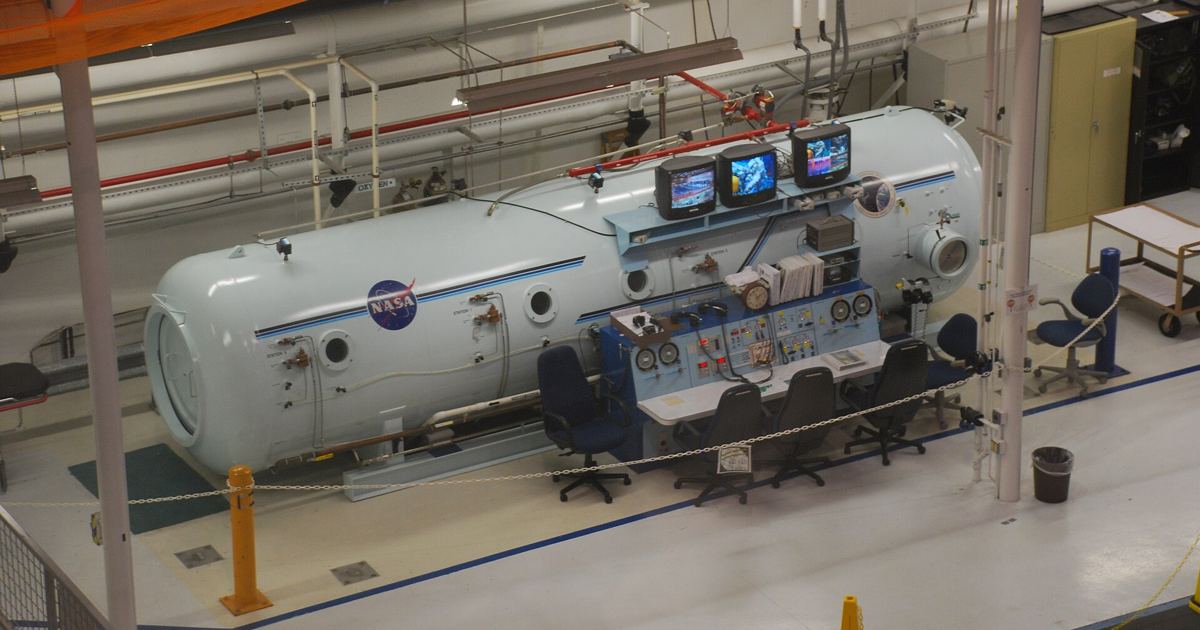
- Standard Chamber Components: Outfitting requires pressure gauges for each occupied compartment, a built-in-breathing-system with at least one mask per occupant, two-way voice communications with the dive station, internal illumination capability, and a viewport. Treatment tables, treatment gas, and sufficient gas reserves to complete treatment must be on site.
Checklist 5: Mandatory Logs and Incident Assessments
Standard documentation must be logged for every commercial dive and integrated into the project's broader contractor recordkeeping checklist. Every dive record must capture:
- Names of dive team members, including the designated person-in-charge.
- Date, time, and location of the operation.
- Diving modes utilized and the general nature of the work performed.
- Approximate environmental conditions (visibility, current, and water temperature).
- Maximum depth and bottom time for each diver.
For operations using mixed gas, dives deeper than 100 fsw, or profiles outside no-decompression limits, records must also document the depth-time and breathing gas profiles, decompression table designations (with modifications), and elapsed time since the last pressure exposure if under 24 hours (or repetitive dive designations). If decompression sickness occurs or is suspected, employers must document symptoms, time and depth of onset, and treatment results, conduct an investigation, implement corrective actions, and prepare a written evaluation within 45 days of the incident.
Sources
Occupational Safety and Health Administration (OSHA) standards used in this guide:
Published October 31, 2026. No affiliate links on this page. Facts come from the sources linked above; check them for updates.