OSHA Section 1926.1402 Crane Ground Conditions Quick Reference
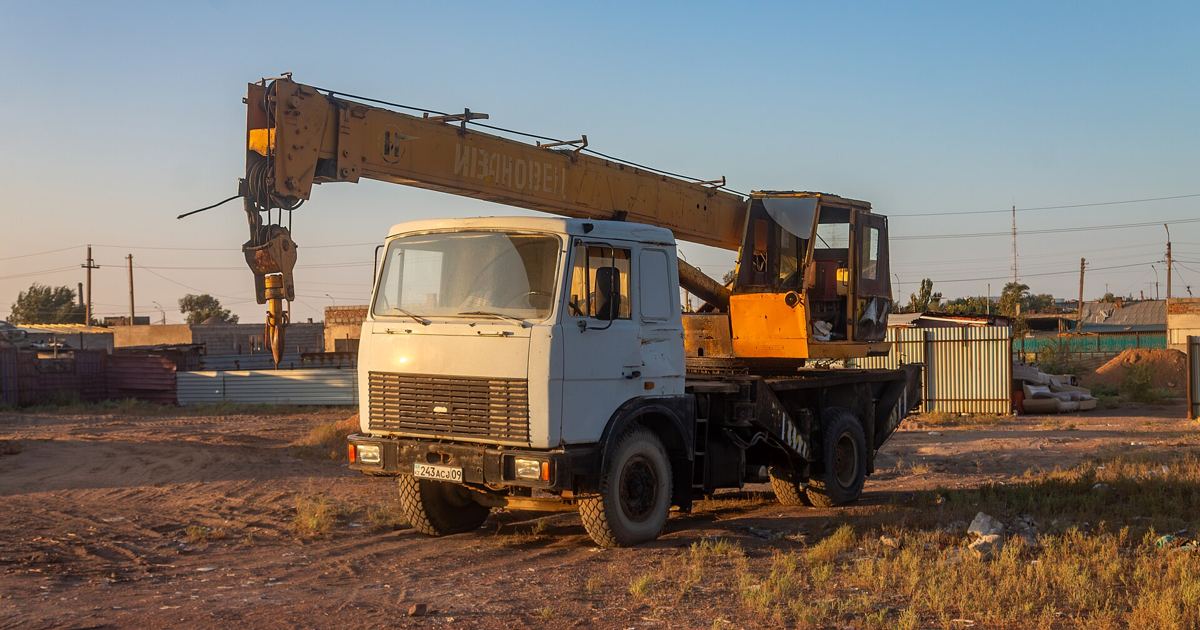
Positioning a mobile crane on a construction site requires more than just scheduling equipment drop-off. Before heavy lifting equipment is assembled or operated, the ground beneath it must meet strict federal safety baselines. For commercial subcontractors and general contractors preparing bids and project schedules, understanding the site stability mandates in OSHA Section 1926.1402 is essential to ensure site preparations, hazard communications, and stabilization gear are fully accounted for before equipment arrives.
Core Definitions: Ground Conditions and Supporting Materials
Under the safety standard, ground conditions represent the physical capacity of the earth or surface to support equipment weight and operational loads. This includes critical site variables such as slope, soil compaction, and overall firmness.
When the existing surface cannot independently carry the load or maintain equipment level, contractors rely on supporting materials. The regulation defines these as:
- Crane mats and timber pads
- Blocking and cribbing systems
- Marsh buggies, designed specifically for setups in marshes or wetlands
- Similar supporting materials or specialized load-spreading devices
The Baseline Standard for Assembly and Operation
Under OSHA Section 1926.1402, equipment must never be assembled or operated unless the setup area is sufficiently firm, drained, and graded. These site conditions, used alongside supporting materials whenever necessary, must satisfy the equipment manufacturer's specifications regarding adequate support and the required degree of equipment level.
The standard contains an explicit operational exception regarding water management: the requirement for ground to be drained does not apply to operations in marshes or wetlands where specialized equipment such as marsh buggies is deployed.
Controlling Entity Responsibilities and Subsurface Hazards
The safety standard places direct responsibility on the controlling entity on the jobsite. The controlling entity must ensure that the site preparations required to achieve adequate firmness, drainage, and grading are provided prior to crane setup.
In addition, the controlling entity is responsible for warning equipment users and crane operators about hidden subsurface dangers. If hazards beneath the setup zone—such as underground utilities, storage tanks, or underground voids—are documented in site drawings, as-built drawings, or soil analyses in the controlling entity's possession (whether stored at the project site or off-site), or are otherwise known to that entity, they must inform both the equipment user and the operator before operations begin.
Site Responsibilities When No Controlling Entity Exists
On some projects, a designated controlling entity is not present. The federal rule explicitly addresses this jobsite structure: if there is no controlling entity for the project, the employer that holds the authority on site to make or arrange for ground preparations must fulfill the duty to ensure ground preparation requirements are fully met.
Operator and A/D Director Determinations
Jobsite safety protocols empower key lift personnel to inspect the setup area. If the assembly/disassembly (A/D) director or the crane operator determines that the ground does not meet the necessary firmness, drainage, or grading criteria, the equipment cannot simply proceed.
Instead, that individual's employer must hold a formal discussion with the controlling entity. During this discussion, the parties must address the specific ground preparations needed—including the use of suitable supporting materials or leveling devices—to bring the surface into compliance with manufacturer specifications.
The Railroad Crane Exemption
The ground condition provisions in this section do not apply universally to every type of rail-mounted lift. Specifically, this section does not apply to cranes designed for use on railroad tracks when they are operated on tracks that form part of the general railroad system of transportation. In those circumstances, the tracks must be regulated pursuant to the Federal Railroad Administration under 49 CFR part 213 and comply with all applicable Federal Railroad Administration rules.
Accounting for Ground Conditions in Bids and Schedules
To avoid unexpected site delays and mobilization disputes, estimators must establish clear boundaries regarding who prepares the setup zone. Estimators should review Bid Exclusions and Clarifications to specify whether the general contractor or site owner is supplying the engineered, compacted pad, crane mats, and verified utility locate clearances.
If your firm is responsible for providing cribbing, timber mats, or grading coordination, those items should be budgeted under your crane setup costs or general site overhead, as outlined in our guide to Estimating General Conditions. On the project schedule, always allocate adequate time for the controlling entity's site inspection and operator ground check before hoisting operations start.
Sources
Published October 28, 2026. No affiliate links on this page. Facts come from the sources linked above; check them for updates.