Pressure Vessel Certs and Ship Repair: Pre-Mobilization Mistakes Under OSHA 1926
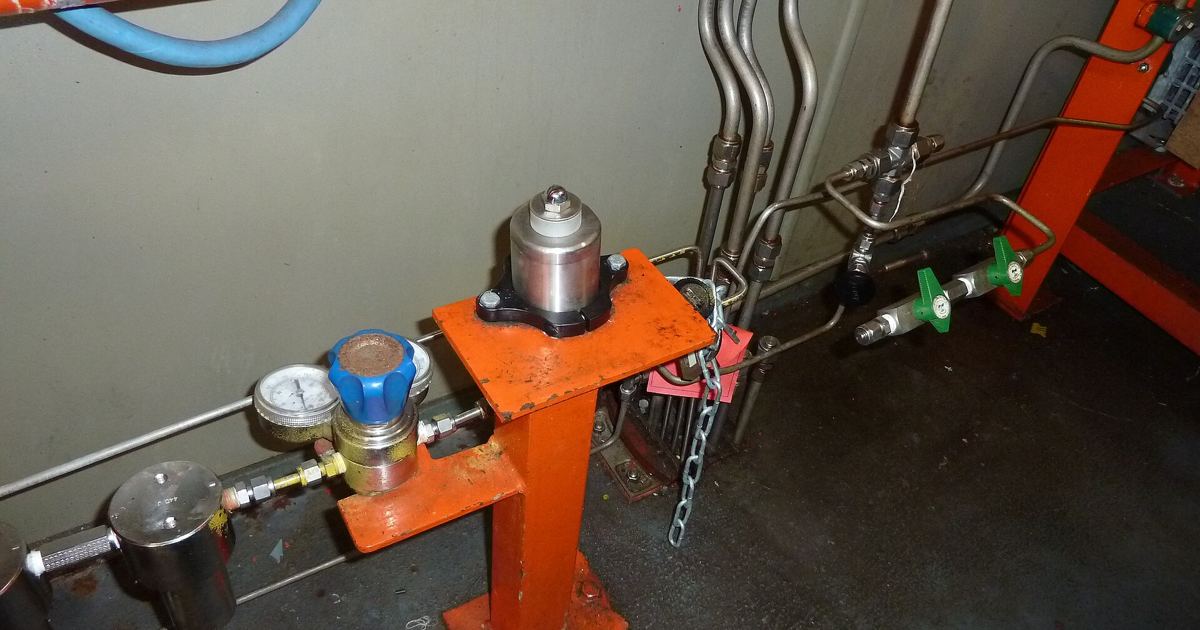
Mobilizing specialized equipment or trade crews to a jobsite without proper documentation invites immediate stop-work orders and compliance disputes. Trade subcontractors and general contractors frequently encounter unexpected compliance hurdles when temporary boilers, pressurized tanks, or maritime-adjacent work scopes arrive on site. Federal safety rules outline strict criteria for what constitutes acceptable paperwork for pressurized gear and define when work shifts away from standard construction rules entirely.
Mistake 1: Relying on Internal Shop Inspections Instead of Third-Party Certifications
One of the most widespread documentation errors occurs when an employer supplies a boiler or pressurized vessel accompanied only by an internal mechanic's log or an equipment vendor's maintenance slip. Under 29 CFR 1926.29, informal or self-generated documentation does not satisfy compliance requirements. The standard mandates that equipment provided by the employer must carry current and valid certification from specific recognized entities.
To establish acceptable evidence under the standard, the certification must originate from either an insurance company or a regulatory authority. When pricing site equipment into your general conditions estimate, relying on uncertified rental units creates a major operational risk. If the paperwork does not come directly from an authorized regulatory authority or an insurance underwriter, the vessel fails federal requirements before it even connects to jobsite utilities.
Mistake 2: Missing the Three Required Verification Elements
Even when contractors secure certificates from an insurance company or regulatory body, field teams frequently overlook the specific verifications required by federal rules. Paperwork cannot merely state that a unit is operational; it must confirm three distinct safety milestones.
According to 29 CFR 1926.29(a) and 1926.29(b), acceptable evidence must attest to all of the following:
- Safe installation: Proof that the vessel or boiler has been correctly installed for its intended operating environment.
- Safe inspection: Evidence of formal inspection conducted by the regulatory authority or insurance carrier.
- Safe testing: Verification that the equipment underwent appropriate testing to validate its integrity under operational conditions.
If your mobilization file lacks documentation confirming safe installation, inspection, and testing, safety personnel can challenge the gear immediately upon arrival.
Mistake 3: Overlooking Subpart F and Subpart O Equipment Mandates
Another frequent miscalculation is assuming that general certification under section 1926.29 covers every single pressurized device deployed across the project. Paragraph (c) of section 1926.29 explicitly directs employers to additional requirements found across other sections of the standard.
Specifically, regulations prescribing detailed criteria for other categories of pressure vessels and similar mechanical equipment are housed within subpart F and subpart O of part 1926. For example, pneumatic systems and storage tanks carry additional cross-referenced obligations covered under our guide to jacks and air receivers on jobsites. Mobilizing equipment without consulting subpart F and subpart O standards leaves trade crews exposed to unexpected equipment red-tags.
Mistake 4: Using Part 1926 Construction Rules for Government Ship Alterations
Contractors working near waterways or naval facilities often make the critical error of applying standard construction safety rules to shipboard maintenance or refits. Under 29 CFR 1926.30(a), shipbuilding, ship repairing, alterations, and maintenance performed on ships under Government contract are classified as work subject to the Act.
However, section 1926.30(b) establishes a vital jurisdictional shift: for work carried out under this section, the safety and health regulations in part 1915, Shipyard Employment, apply rather than standard construction standards. Bidders who structure their site safety programs around construction rules while performing government ship alterations risk severe contractual and regulatory non-compliance.
Mistake 5: Failing to Recognize the Naval Ship Construction Boundary
While government ship alterations and repairs fall under the purview of part 1915 via section 1926.30, the regulation establishes one notable boundary that bidders must track. Under 29 CFR 1926.30(a), naval ship construction is expressly excepted from this specific standard. Misidentifying new naval vessel builds versus government maintenance or alteration contracts can cause estimators and project managers to misapply baseline shipyard standards during pre-construction planning.
Pre-Mobilization Paperwork Checklist
Before releasing transport trucks or staging equipment at the laydown yard, your project management team should verify and file the following documents:
- Current and valid certificates issued by an insurance company or regulatory authority for all employer-provided boilers.
- Current and valid certificates from an insurance carrier or regulatory authority for employer-provided pressure vessels verifying safe installation, inspection, and testing.
- Compliance documentation tailored to the specific vessel requirements contained in subpart F and subpart O.
- Confirmation of whether ship work involves government contracts subject to part 1915 shipyard employment rules or falls under the naval ship construction exception.
Sources
Electronic Code of Federal Regulations: 29 CFR 1926.29 Acceptable Certifications
Electronic Code of Federal Regulations: 29 CFR 1926.30 Shipbuilding and Ship Repairing
Published October 30, 2026. No affiliate links on this page. Facts come from the sources linked above; check them for updates.