Rollover Protective Structures Under 29 CFR 1926.1001: Common Compliance Mistakes
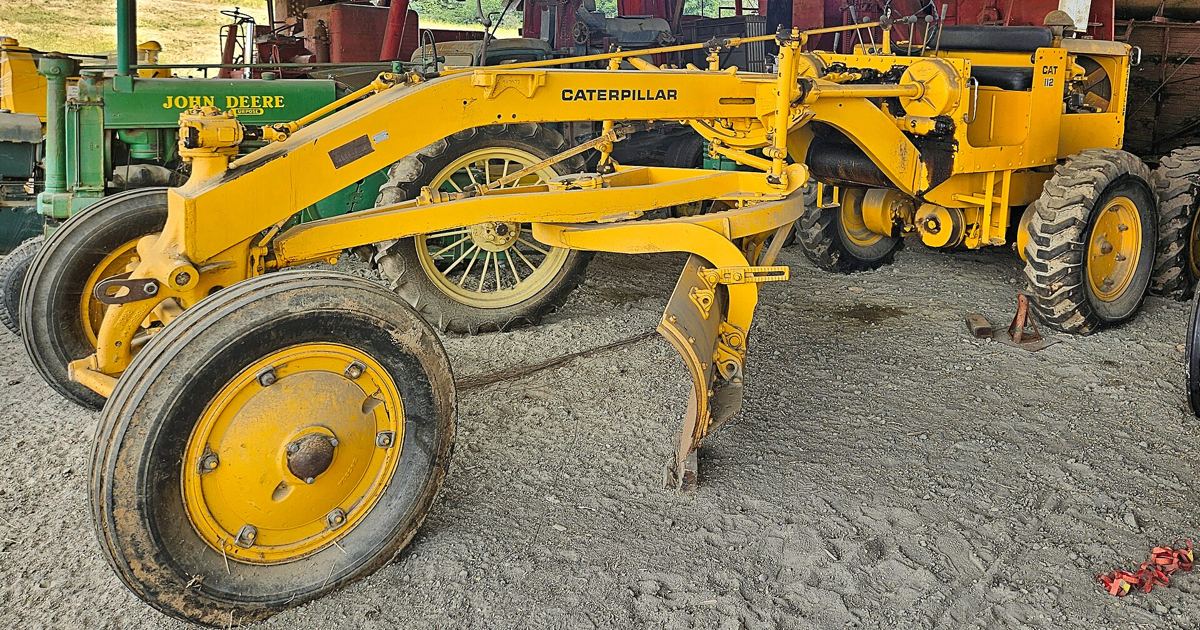
When general contractors and earthwork trade contractors deploy heavy machinery on construction projects, safety standards dictate specific structural requirements for operator cabs. Under 29 CFR 1926.1001, federal safety rules establish minimum performance criteria for roll-over protective structures, commonly known as ROPS. Failing to identify the exact design criteria applicable to a machine can create significant compliance oversights during site mobilization. Understanding the boundary lines between older machinery standards and newer international criteria helps contractors keep equipment fleets aligned with federal standards.
Mistake One: Overlooking the July 15, 2019 Manufacturing Cutoff
A frequent error among equipment managers and project teams is assuming a single standard applies to all heavy equipment regardless of when the machine was built. Federal regulation draws a clear line based on manufacturing date. Under 29 CFR 1926.1001, the date of July 15, 2019, divides the applicable testing and performance benchmarks.
Equipment manufactured on or after July 15, 2019, must satisfy the test and performance requirements set out in the consensus standard ISO 3471:2008, titled Earth-Moving Machinery—Roll-over protective structures—Laboratory tests and performance requirements (incorporated by reference, see § 1926.6). In contrast, machines manufactured before July 15, 2019, can comply through specific Society of Automotive Engineers recommended practices or choose compliance with ISO 3471:2008. Overlooking this date cutoff risks evaluating modern machines against legacy guidelines that no longer apply to newer production models.
Mistake Two: Misidentifying Covered Machinery Types
Another common mistake is assuming rollover protective structure requirements apply identically across every category of construction vehicle, or failing to recognize all the equipment explicitly covered under the standard. Section 1926.1001(a) identifies specific machine categories that must meet minimum performance criteria for roll-over protective structures:
- Rubber-tired self-propelled scrapers
- Rubber-tired front end loaders and rubber-tired dozers
- Crawler tractors and crawler-type loaders
- Motor graders
- Compactors
- Rubber-tired skid steer equipment
Failing to account for each of these equipment types when auditing machinery can leave gaps in jobsite compliance, particularly when earthwork fleets involve mixed configurations of tracked and wheeled units.
Mistake Three: Applying Legacy SAE Standards to Newer Machinery
For machinery manufactured before July 15, 2019, the regulation permits the use of established Society of Automotive Engineers Recommended Practices. A costly mistake is attempting to evaluate machinery built after that date using those earlier SAE standards. For older equipment (excluding compactors and rubber-tired skid steer equipment), the rule references:
- SAE J320a, Minimum Performance Criteria for Roll-Over Protective Structure for Rubber-Tired, Self-Propelled Scrapers
- SAE J394, Minimum Performance Criteria for Roll-Over Protective Structure for Rubber-Tired Front End Loaders and Rubber-Tired Dozers
- SAE J395, Minimum Performance Criteria for Roll-Over Protective Structure for Crawler Tractors and Crawler-Type Loaders
- SAE J396, Minimum Performance Criteria for Roll-Over Protective Structure for Motor Graders
- SAE J397, Critical Zone Characteristics and Dimensions for Operators of Construction and Industrial Machinery
Each of these recommended practices is incorporated by reference under § 1926.6. While older machines may rely on these SAE benchmarks, any covered equipment manufactured on or after July 15, 2019, must meet ISO 3471:2008 laboratory test and performance standards instead.
Mistake Four: Confusing Requirements for Compactors and Skid Steers
A nuanced compliance trap involves compactors and rubber-tired skid steer equipment. Paragraph (b) of the standard specifically states that for equipment manufactured before July 15, 2019, compactors and rubber-tired skid steer equipment are excluded from the SAE recommended practices path outlined in that section. However, paragraph (c) includes all equipment listed in paragraph (a) manufactured on or after July 15, 2019, requiring them to meet the testing and performance benchmarks of ISO 3471:2008.
Contractors who attempt to verify older compactors or rubber-tired skid steers against SAE J320a, SAE J394, SAE J395, or SAE J396 misapply the standard, because those specific SAE documents address scrapers, front end loaders, dozers, crawler tractors, and motor graders. Maintaining clear technical records for each equipment classification avoids regulatory confusion during mobilization.
Mistake Five: Assuming Older Equipment Cannot Use ISO 3471:2008
Contractors with older machinery sometimes assume that equipment built prior to July 15, 2019, can only be verified under the legacy SAE recommended practices. The regulation explicitly offers flexibility. Under § 1926.1001(b), protective frames on equipment manufactured before July 15, 2019, are permitted to conform to the applicable SAE practices (such as SAE J320a, SAE J394, SAE J395, SAE J396, and SAE J397) or comply directly with consensus standard ISO 3471:2008.
This flexibility allows fleet owners and estimators to streamline compliance across mixed-age fleets. If a contractor upgrades older protective frames to meet the international standard, those units remain fully compliant under the federal rule.
Managing Equipment Compliance in Bids and Project Costs
Planning for earthwork equipment mobilization requires careful coordination between field operations and project management. Estimators should account for equipment verification and potential retrofits when evaluating jobsite general conditions. Clarifying equipment specifications and compliance documentation before contract signing helps prevent disputes over equipment readiness. Incorporating clear scope boundaries in bid proposal documents ensures that all parties understand which safety certifications accompany the machinery mobilized to the jobsite.
Sources
Federal requirements and standards referenced in this guide are drawn from:
Published October 31, 2026. No affiliate links on this page. Facts come from the sources linked above; check them for updates.