Terminating for Default Under FAR 49.402-3: A Step-by-Step Scenario Walk-Through
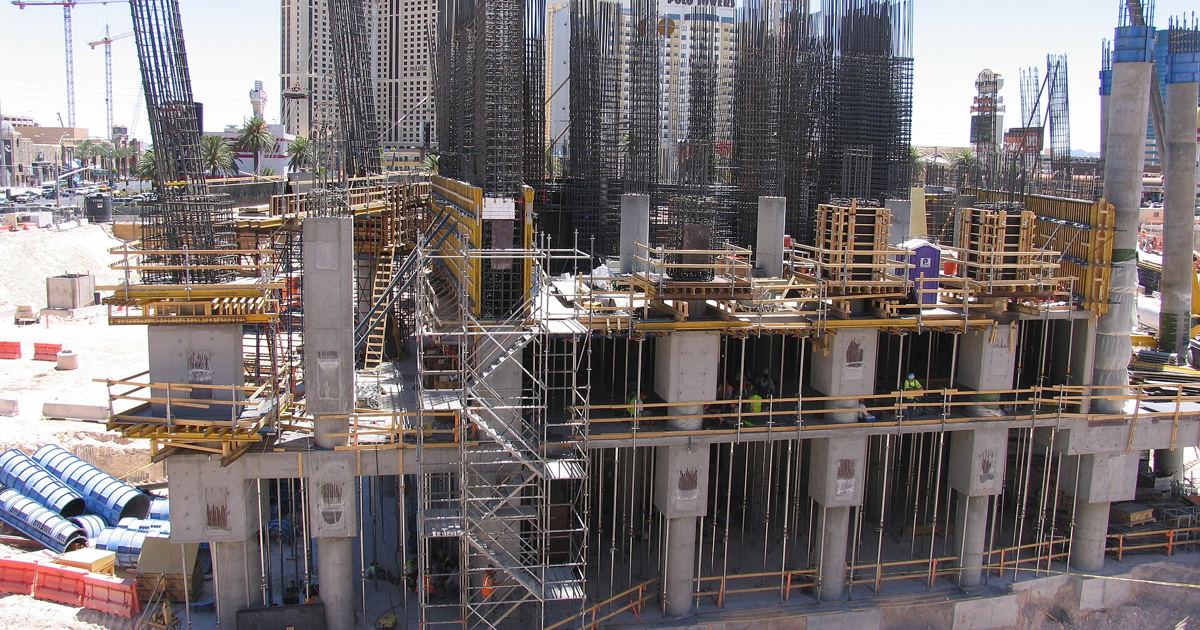
When federal construction contracts experience severe delays or contractual failures, the administrative process governing default is rigid. Contracting officers cannot simply remove a contractor from a jobsite on a whim. Instead, contracting personnel, technical advisors, and legal counsel must coordinate their actions to ensure procedural propriety. Through a hypothetical worked example, this walk-through demonstrates how the government administers cure notices, show cause notices, and contractor responses under the 49.402-3 Procedure for default. | Acquisition.GOV regulation.
The Scenario: Progress Stalls on an Interior Buildout
Consider a hypothetical federal interior renovation project involving extensive metal stud framing and drywall assemblies. Several weeks into the schedule, the prime contractor falls substantially behind the approved milestones. Framing crews are understaffed, materials have not arrived at the laydown yard, and the contractor fails to deliver an updated performance bond required by the contract terms.
Because the delinquency endangers overall contract completion rather than representing a simple missed final delivery date, the contracting officer cannot proceed directly to termination without formal advance notification. Before an administrative contracting officer can issue any formal notice regarding default, the contracting office must provide prior approval by the most expeditious means available.
Issuing a Cure Notice and the 10-Day Clock
Under the Default clause provisions referenced in FAR 49.402-3, when a contractor fails to perform other contract terms (such as furnishing required bonding) or fails to make sufficient progress to ensure timely completion, the contracting officer must issue a written cure notice. The notice follows the format in 49.607 and outlines the specific failures threatening the project.
The contractor is granted a mandatory window to respond:
- The government must provide a period of 10 days (or a longer period if deemed necessary) for the contractor to cure the specified failures.
- The contractor must demonstrate tangible progress or rectify the administrative violation within this cure period.
- If the contractor resolves the failure within the 10 days, the default process stops.
- If the period expires without a sufficient cure, the contracting officer may proceed toward default termination.
The Show Cause Notice and Small Business Notifications
If the hypothetical contractor fails to rectify the framing delays or bonding deficiency within the 10 days, termination for default becomes an imminent possibility. If practicable, the contracting officer issues a written show cause notice. This document explicitly reminds the contractor of the liabilities associated with default termination and requests that the contractor show cause why the contract should not be terminated.
The contractor must treat this notice seriously. The regulation specifies that an omission or failure to present an explanation may be interpreted by the government as an admission that no valid justification exists. In some instances, the notice invites the contractor to attend an in-person or virtual conference to discuss the issues.
Because our hypothetical builder is a small business firm, FAR 49.402-3 mandates critical administrative safeguards:
- The contracting officer must immediately send copies of any cure notice or show cause notice to the contracting office small business specialist.
- A copy must also go directly to the Small Business Administration Area Office nearest to the contractor.
- The contracting officer should consult with the small business specialist prior to executing any default action.
Evaluating Mandatory Government Factors
Receiving the contractor response triggers an intensive review. The contracting officer must consider specific factors under 49.402-3 Procedure for default. | Acquisition.GOV before issuing a final decision:
- The contract terms, governing laws, and applicable regulations.
- The specific failures of the contractor and any submitted excuses for those failures.
- The availability of the required supplies or construction services from alternate sources.
- The urgency of the government need and how long replacement sources would take compared to the delinquent firm.
- The contractor essentiality to government programs and the broader impact on capability under other contracts.
- The effect a default would have on liquidating guaranteed loans, advance payments, or progress payments.
- Any other relevant site facts and circumstances.
If the contracting officer determines that the delays were excusable (such as government-caused site delays), the contract cannot be terminated for default. Instead, if ending the agreement is in the public interest, the contracting officer may execute a termination for convenience.
Final Termination Notice and Jobsite Control
Assuming the contracting officer finds the contractor excuses non-excusable and decides default is proper, a formal notice of termination is issued. This notice specifies the contract number and date, details the acts or omissions constituting default, and declares the contractor right to proceed terminated. It alerts the contractor that reprocurement costs may be charged to their account and provides formal notice of appeal rights under the Disputes clause.
For construction contracts, immediate operational consequences follow:
- The contracting officer promptly determines how the remaining work will be completed.
- The government evaluates whether the appliances, materials, and plant currently located on the jobsite will be retained and utilized.
- Written notice is provided to the surety, requesting whether the surety wishes to arrange for project completion.
- The disbursing officer receives immediate notice to withhold further contract payments.
Sources
49.402-3 Procedure for default. | Acquisition.GOV
Published October 30, 2026. No affiliate links on this page. Facts come from the sources linked above; check them for updates.