Beryllium in Construction: Abrasive Blasting with Slag and OSHA Requirements
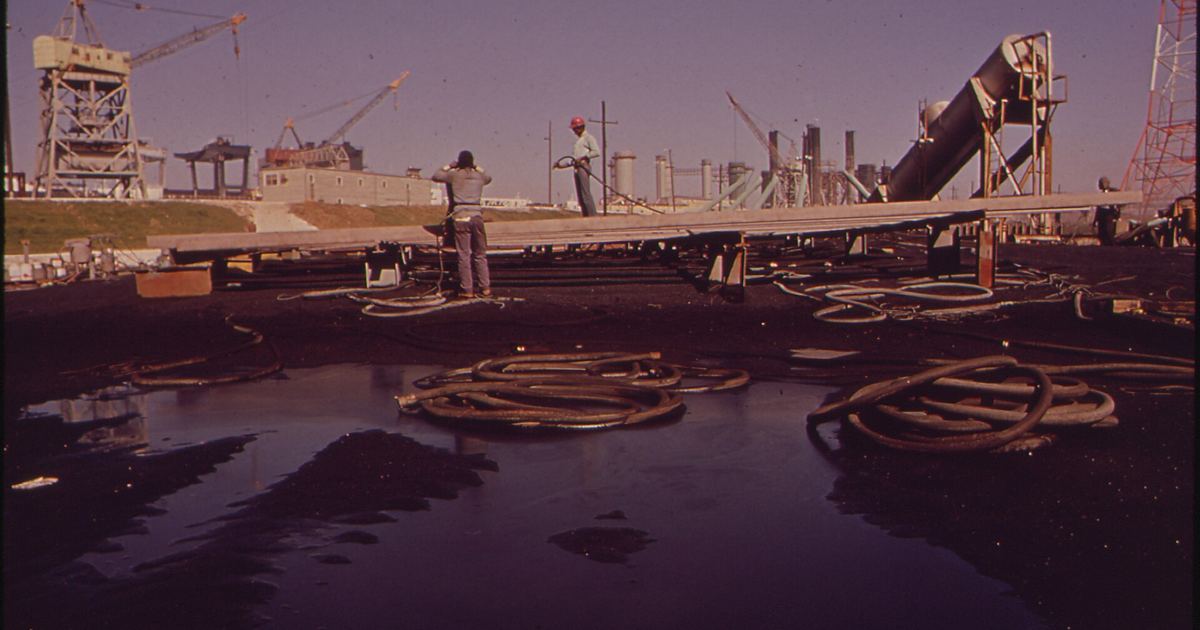
In construction, abrasive blasting tasks frequently introduce toxic airborne contaminants into the breathing zone. While contractors often focus on silica, certain types of abrasive media—including slags, garnet, silica sand, and crushed glass—can contain trace amounts of beryllium (considerably less than 0.1% by weight). Under 29 CFR 1926.1124, employers face specific federal mandates whenever workers face airborne exposure to beryllium. Abrasive blasters, pot tenders, and surrounding trade crews are directly vulnerable to high-dust conditions where exposure exceeds regulatory thresholds. Incorporating these compliance requirements into your general conditions estimating ensures field safety and keeps job costs realistic.
Scope, Trace Limits, and Permissible Thresholds
The standard covers occupational exposure to beryllium in all forms, compounds, and mixtures in construction. However, 29 CFR 1926.1124 does not apply to materials containing less than 0.1% beryllium by weight if the contractor maintains objective data showing that airborne exposure remains below the action level as an 8-hour time-weighted average (TWA) under any foreseeable conditions. Objective data must reflect workplace conditions that closely resemble or possess higher airborne exposure potential than current job operations. If that exemption is not met, the following exposure limits apply:
- Action Level: An airborne concentration of 0.1 micrograms per cubic meter of air (µg/m³) calculated as an 8-hour TWA.
- TWA PEL: A permissible exposure limit of 0.2 µg/m³ calculated as an 8-hour TWA.
- Short-Term Exposure Limit (STEL): An airborne concentration limit of 2.0 µg/m³ determined over a 15-minute sampling window.
Checklist Step 1: Exposure Assessment and Air Monitoring
Before launching blasting tasks, employers must evaluate airborne exposure for each worker reasonably expected to encounter beryllium. The regulation provides two distinct pathways for monitoring:
- Performance Option: Evaluate 8-hour TWA and 15-minute short-term exposures using any valid mix of air monitoring data and objective data that accurately characterizes exposure.
- Scheduled Monitoring Option: Collect personal breathing zone air samples for each shift, job classification, and work area. If several employees run the same task on the same shift in the same zone, representative sampling is permitted by testing the worker expected to receive the highest airborne exposure.
- Reassessment Triggers: You must reassess exposure whenever modifications in production, processes, control equipment, crew personnel, or work practices may yield new or increased exposures at or above the action level or STEL.
- Laboratory Precision: Air monitoring samples must be processed by an analytical laboratory capable of measuring beryllium to an accuracy of plus or minus 25 percent within a 95 percent statistical confidence level at or above the action level.
Checklist Step 2: Monitoring Schedules and Notifications
Monitoring frequencies adjust directly based on air testing results. Use this schedule to maintain full compliance under OSHA 29 CFR 1926.1124:
- At or Above Action Level, Up to PEL: Repeat monitoring within six months of the most recent test.
- Above the TWA PEL: Repeat monitoring within three months of the most recent 8-hour test.
- Above the STEL: Repeat monitoring within three months until two consecutive tests taken 7 or more days apart fall below the STEL.
- Discontinuing TWA Testing: If non-initial monitoring drops below the action level, repeat within six months until two consecutive tests taken 7 or more days apart are below the action level.
- Employee Notification: Inform employees of assessment results within 15 working days after completion, either in writing individually or by posting in an accessible spot. If results exceed the PEL or STEL, the notice must explain corrective actions underway.
- Observation Rights: Affected workers or their representatives have the right to observe monitoring. If observation requires entering an area requiring personal protective equipment or respirators, the employer must supply this gear at no cost.
Checklist Step 3: Designating a Competent Person
Whenever jobsite exposures are, or can reasonably be expected to be, above the TWA PEL or STEL, employers must formally designate a competent person. This individual must possess the knowledge, ability, and authority to spot existing and foreseeable hazards and execute corrective actions. The competent person handles four primary site responsibilities:
- Conduct frequent and regular inspections of job sites, materials, and equipment.
- Implement the employer's written exposure control plan.
- Ensure every worker uses designated respiratory protection.
- Ensure every worker uses designated personal protective clothing and equipment.
Checklist Step 4: The Written Exposure Control Plan
A compliant written exposure control plan is mandatory on operations exceeding the PEL or STEL. Like budgeting items on a bid day checklist, administrative safety controls require structured pre-planning. The plan must contain:
- A comprehensive list of operations and job titles reasonably expected to involve beryllium exposure.
- A roster of required engineering controls, work practices, and respiratory protection.
- A list of personal protective equipment and clothing.
- Restricted access procedures for work areas above the PEL or STEL to minimize exposed personnel, including exposures generated by other contractors or sole proprietors.
- Procedures to verify the integrity of blast containments so crews outside remain protected.
- Procedures for removing, cleaning, and maintaining protective clothing and equipment.
- An annual review and update protocol, triggered additionally whenever process shifts occur, symptoms appear, or medical referrals to a CBD diagnostic center take place.
Checklist Step 5: Controls and Prohibitions
Employers must implement engineering and work practice controls to lower exposure to or below the TWA PEL and STEL, unless proven infeasible. When controls cannot fully reduce concentrations below the PELs, employers must apply engineering controls to reach the lowest feasible level and supplement the remainder with approved respirators. Rotating workers to reduce exposure is strictly regulated, and employee access to written plans must follow federal record access provisions.
Sources
Electronic Code of Federal Regulations: 29 CFR 1926.1124 Beryllium
Published October 29, 2026. No affiliate links on this page. Facts come from the sources linked above; check them for updates.