Bidding Caissons and Cofferdams Under OSHA Standards
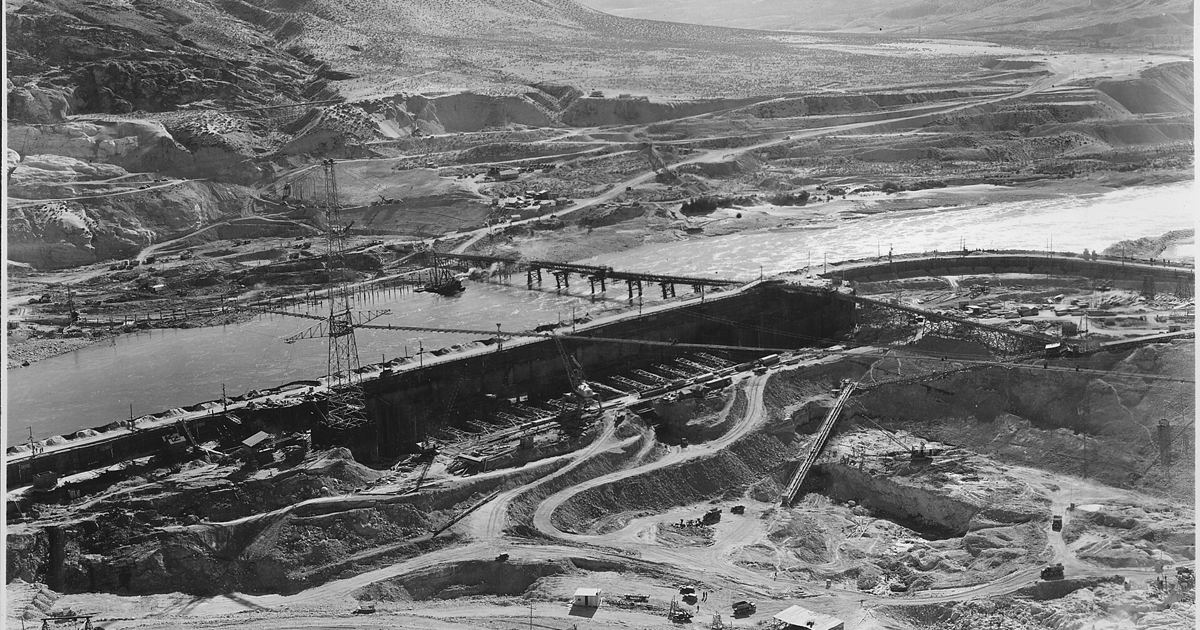
Foundation and marine construction projects present distinct physical risks that dictate how contractors configure site access, equipment setups, and excavation safety. Federal safety standards establish rigid technical baselines for caisson sinking and cofferdam construction. Overlooking these requirements during takeoff can leave a project underfunded before equipment ever mobilizes. Estimators building proposals for heavy civil, deep foundation, or marine projects can follow this step-by-step walkthrough of 29 CFR 1926.801 Caissons and 29 CFR 1926.802 Cofferdams to structure their line items accurately.
Step 1: Check Working Chamber Dimensions and Protective Shield Rules
When caisson work utilizes compressed air, the physical size of the working chamber directly triggers specific structural safety requirements. Estimators must review the design drawings to check both chamber dimensions and suspension depths. Under 29 CFR 1926.801(a), whenever caisson work involves compressed air and the working chamber is less than 11 feet in length, protective shielding becomes mandatory under specific excavation depths. Specifically, if the caisson is hung or suspended during active work such that the excavation floor extends more than 9 feet below the chamber deck, a shield must be erected inside to protect workers.
Failing to price this internal shield can impact labor productivity and material allowances. When subsurface conditions require hanging caissons, your estimate must carry the materials, fabrication, and crew time needed to place and secure this overhead protection before workers enter the chamber.
Step 2: Account for Shaft Pressure Testing, Stamping, and Monitoring Gauges
Caisson shafts must withstand substantial internal and external pressures. Standard quality-control steps cannot be bypassed, and OSHA mandates clear physical testing and documentation protocols before personnel enter deep shafts.
- Pressure verification: Every shaft must be subjected to an air-pressure test or hydrostatic test, and the structure must prove tight at that designated pressure.
- Permanent shell stamping: The shaft shell must be stamped on the outside approximately 12 inches away from each flange to show the precise pressure rating it sustained during testing.
- Bulkhead monitoring: In addition to the gauge installed inside the locks, an accurate pressure gauge must be maintained on both the outer side and the inner side of every bulkhead.
- Gauge upkeep: These bulkhead gauges must remain accessible at all times and kept in accurate working order throughout operations.
Estimators should ensure testing equipment, calibration, and third-party inspection allowances are captured within their general conditions estimating breakdown rather than buried in general excavation labor.
Step 3: Plan Vertical Shaft Access and Rest Platforms
Worker movement within deep shafts requires designated vertical access systems designed to prevent exhaustion and falls. According to 29 CFR 1926.801(c), any time a shaft is utilized, the contractor must supply a safe, proper, and suitable staircase across its entire depth whenever physical space permits. This stairway system must incorporate landing platforms spaced not more than 20 feet apart.
Where tight dimensional constraints make a full staircase impracticable, the standard allows suitable ladders as an alternative. However, landing platforms must still be installed at intervals of about 20 feet to break the vertical climb. Takeoffs must capture these platforms and ladder or stair assemblies as separate items, ensuring vertical transit compliance does not get omitted when working in restricted diameters.
Step 4: Size Locks and Personnel Access for Large Caissons
Caisson dimensions determine the equipment necessary to transport personnel safely into hyperbaric or deep environments. Under § 1926.801(d), all caissons that feature a diameter or side greater than 10 feet must provide a man lock and an independent shaft designated for the exclusive use of employees. When working environments involve compressed air, operations must also comply with § 1926.803.
This mandate prohibits using material hoisting shafts as the primary employee access route on larger caissons. Estimators pricing caissons exceeding the 10-foot threshold must budget for duplicate vertical shafts: one dedicated to material removal and equipment handling, and an independent shaft and lock dedicated solely to crew transit.
Step 5: Incorporate Controlled Flooding and Waterway Vessel Protection
Marine foundations and nearshore installations relying on cofferdams must address changing hydrology. Under 29 CFR 1926.802(a), if high waters could potentially overtop a cofferdam, the contractor must provide deliberate means for the controlled flooding of the work area. This design provision prevents catastrophic, unmanaged structural failure by equalizing water levels before external hydraulic pressure breaches the walls.
Additionally, cofferdam locations adjacent to navigable shipping channels must be shielded against vessel impacts wherever possible. Estimators facing unpredictable marine ground conditions should review their risk allocation alongside differing site conditions clauses to ensure protective fender systems, marine markers, and flood valves are adequately covered.
Step 6: Detail Warning Systems and Dual Rapid-Exit Walkways
The final step in bidding cofferdam safety involves emergency egress and communication planning under 29 CFR 1926.802. Because marine enclosures can fill rapidly or experience structural shifts, evacuation infrastructure must be established before crews occupy the pit.
Emergency warning signals for evacuating workers must be formally developed and visibly posted across the work site. For physical egress, cofferdam walkways, bridges, or ramps must provide at least two distinct means of rapid exit. Furthermore, these accessways must be equipped with guardrails as specified in subpart M. Estimators must include redundant ramps or walkways in their temporary works budget to guarantee two separate, guardrail-protected exit routes from the interior basin.
Sources
29 CFR 1926.801 Caissons - Electronic Code of Federal Regulations
29 CFR 1926.802 Cofferdams - Electronic Code of Federal Regulations
Published October 30, 2026. No affiliate links on this page. Facts come from the sources linked above; check them for updates.