Bidding Enclosed Spaces Under OSHA 29 CFR 1926.953
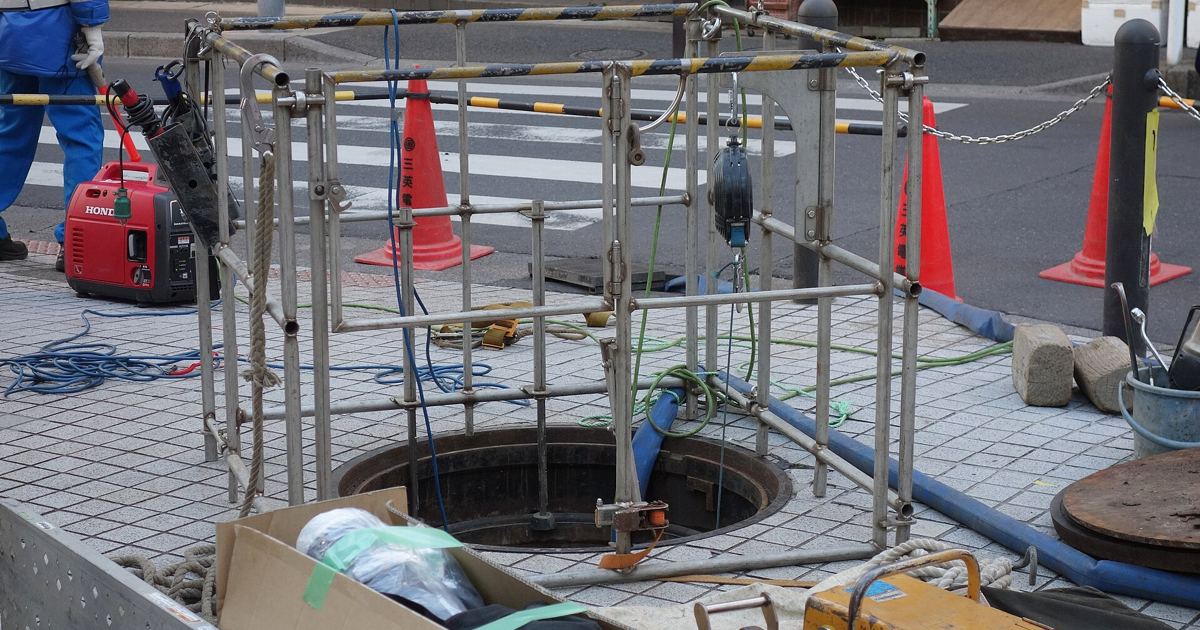
Estimating utility installations, underground electrical runs, and site infrastructure work often requires crews to step into underground vaults, manholes, or enclosed pull boxes. For power transmission and distribution work, routine access is regulated under federal safety standards that demand specific pre-entry evaluations, atmospheric testing equipment, continuous mechanical ventilation, and dedicated support labor. Failing to capture these operational steps in your estimate leads straight to productivity loss and unplanned general conditions expenses. Estimators must understand how OSHA 29 CFR 1926.953 governs routine entry into enclosed spaces and where the dividing line sits between standard enclosed procedures and full permit-space requirements.
Scope, Vault Exceptions, and Subpart AA Triggers
Under 29 CFR 1926.953(a), the enclosed space standard covers spaces that may be entered by employees. It does not apply to vented vaults if the employer determines that the ventilation system is operating to protect employees before they step inside. For routine entries where remaining hazards do not endanger an entrant's life or interfere with escape, 29 CFR 1926.953 applies in lieu of the permit-space entry requirements contained in §§ 1926.1204 through 926.1211.
However, if the precautions outlined in this section and in § 1926.965 still leave hazards that endanger the life of an entrant or impede emergency exit, the work shifts immediately into the full permit space requirements of subpart AA. Alternatively, entries conducted under subpart AA permit-space rules are considered in compliance with 29 CFR 1926.953. When building your estimate or allocating money in general conditions estimating, you must determine in pre-bid whether your scope qualifies for routine enclosed-space rules or demands full permit-required setups.
Cover Removal, Physical Guarding, and Rescue Gear
Before any crew member removes an entrance cover to an enclosed space, the employer must evaluate whether it is safe to do so. This check requires evaluating potential hazards:
- Checking for internal temperature differences (such as evaluating whether the cover itself is hot).
- Checking for atmospheric pressure differences (such as loosening fastened covers gradually to release residual pressure).
- Evaluating whether conditions at the site could cause a hazardous atmosphere, including oxygen deficiency or flammable atmospheres, to build inside the opening.
- Eliminating any unsafe conditions before the cover is removed.
Once the cover is off, the opening must be promptly guarded by a railing, temporary cover, or other barrier designed to prevent accidental falls into the hole and keep external objects from dropping onto workers below. Employers must also provide equipment to ensure prompt and safe rescue, and safe work practices must be established for entry, active work, and extraction.
Atmospheric Testing Instrument Accuracy and Sequencing
Atmospheric safety is central to enclosed-space compliance. Employees may not enter any enclosed space while it contains a hazardous atmosphere unless the operation meets the construction permit-space standard of subpart AA. To prove conditions are safe, direct-reading testing meters must be priced into the job:
- Instrument calibration: Test instruments used to monitor the atmosphere must be kept in calibration and have a minimum accuracy of ±10 percent.
- Oxygen testing: Before entry, the internal air must be tested for oxygen deficiency using a direct-reading meter or similar tool capable of immediate data collection and analysis without off-site lab evaluation. Testing is not required if continuous forced-air ventilation is supplied and procedures ensure workers are not exposed to oxygen-deficiency hazards.
- Flammability testing: Testing for flammable gases and vapors must be performed with a direct-reading instrument before entry. Crucially, flammability testing must be conducted after oxygen testing and ventilation demonstrate sufficient oxygen exists to ensure the flammability sensor reads accurately.
Forced-Air Ventilation and Clean Air Supply Rules
When tests reveal an oxygen deficiency or detect flammable gases or vapors, forced-air ventilation must be deployed to keep oxygen at safe levels and stop hazardous concentrations of flammable gases from building up. If flammable gases or vapors are initially found at safe levels, a continuous monitoring program may be used in lieu of mechanical ventilation to verify concentrations remain controlled.
If continuous forced-air ventilation is selected, the blower must be turned on before entry begins. It must run long enough to prove a safe atmosphere exists before any crew member enters the space. The clean air must be blown directly into the immediate area where workers are positioned and must continue operating without interruption until all workers have exited. In addition, the air supply must come from a clean source and cannot introduce additional hazards to the space.
Hot Work and Attendant Labor Requirements
Pricing labor hours for enclosed-space entries requires budgeting support personnel outside the hole. Under 29 CFR 1926.953(h), while work takes place inside an enclosed space, an attendant with first-aid training must be immediately available outside the space if traffic patterns in the opening area present a hazard. The attendant can handle other tasks outside the vault or manhole only if those responsibilities do not distract them from monitoring the workers inside or safeguarding their entry and exit.
When operations require open flame devices inside an enclosed space, specific testing cycles apply:
- A test for flammable gases and vapors must be conducted immediately before the open flame tool is ignited.
- Retesting must take place at least once per hour while the device is in use.
- Testing frequency must increase beyond once per hour if conditions indicate that standard intervals are insufficient to detect hazardous accumulations.
Factoring in dedicated attendant hours and safety training for entrants and attendants is essential when pricing the labor rate for power-distribution scopes, particularly when calculating your true overhead and labor burden rate.
Sources
Electronic Code of Federal Regulations: 29 CFR 1926.953 Enclosed spaces
Published October 30, 2026. No affiliate links on this page. Facts come from the sources linked above; check them for updates.