Bidding Near Blasting: 29 CFR 1926.900 Bid-Day Checklist
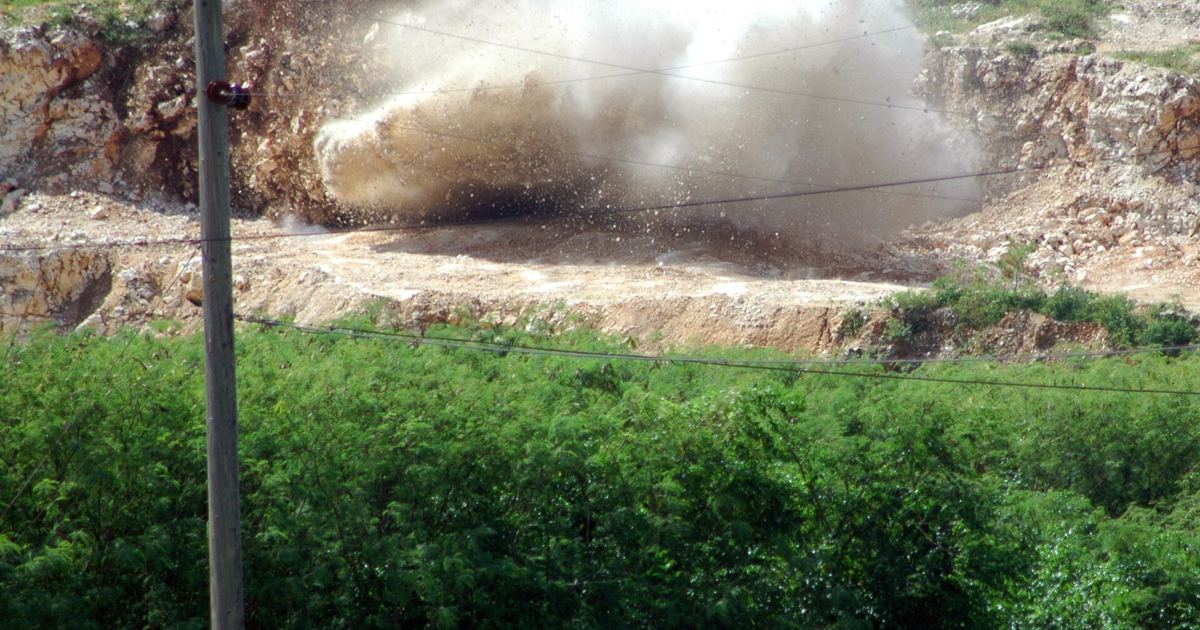
When preparing an estimate for work on a site where rock excavation or structural clearing involves explosives, both general contractors and interior or specialty trade subcontractors must understand the operational constraints enforced by federal safety standards. Even if your crew is simply framing walls, hanging drywall, or installing ceilings in an adjacent structure, active blasting introduces site shutdowns, perimeter controls, and communication limits. Reviewing the safety rules in 29 CFR 1926.900 ensures your estimate captures every operational restriction. Pair this review with our Bid Day Checklist for Drywall and Ceiling Subcontractors and account for site support expenses outlined in our guide to Estimating General Conditions: The Job Costs That Aren't in Your Takeoff.
Checklist Item 1: Personnel Qualifications and Supervisory Controls
Before finalizing bid numbers, estimators must confirm that the jobsite logistics plan accounts for strict personnel controls. Federal standards mandate that employers permit only authorized and qualified persons to handle and use explosives. Furthermore, all loading and firing operations must be directed and supervised by competent persons who are thoroughly experienced in this field.
On-site safety discipline also governs crew behavior across the blasting footprint. The standard strictly prohibits anyone from handling or using explosives while under the influence of intoxicating liquors, narcotics, or dangerous drugs. In addition, smoking, matches, open flame lamps, firearms, and other fires, flame- or heat-producing devices, and sparks are forbidden near magazines or wherever explosive products are handled, transported, or used. Black powder is completely prohibited on the job.
Checklist Item 2: Schedule Windows and Weather Interruption Allowances
Blasting cannot happen continuously, and labor pricing must account for specific schedule windows and weather stoppages:
- Daylight restrictions: Insofar as possible, above-ground blasting operations must take place strictly between sunup and sundown, limiting multi-shift flexibility for earthwork and adjacent trades.
- Electric storm shutdowns: Blasting operations must be suspended immediately upon the approach and progress of an electric storm, requiring the removal of all persons from the blast area.
- Electric initiation methods: Unless specific exceptions apply under § 1926.906 (a) and (r), all blasts must be fired electrically using an approved electric blasting machine or a properly designed electric power source.
Checklist Item 3: Radio Transmitters, Signage, and Extraneous Electricity
Induced current from extraneous electricity represents a major hazard that can trigger premature detonation of electric blasting caps. Hazards cited under 29 CFR 1926.900 include radar, radio transmitters, lightning, adjacent powerlines, and dust storms. Detonators placed in primed holes must remain short-circuited and shunted until wired into the active blasting circuit.
Bidders must also review communication and perimeter allowances. Prominent warning signs instructing drivers and crews against using mobile radio transmitters must be placed on all roads within 1,000 feet of blasting operations. If adhering to this 1,000-foot perimeter causes an operational handicap, a competent person must evaluate the site and certify a written alternative designed to prevent premature firing. This written alternative must remain on site for inspection by representatives of the Secretary of Labor. Furthermore, any mobile radio transmitters located less than 100 feet away from electric blasting caps outside their original containers must be deenergized and effectively locked. Operations must also comply with Institute of the Makers of Explosives recommendations in IME Publication No. 20, March 1971, regarding radio frequency hazards.
Checklist Item 4: Fragmentation Mats, Warning Signals, and Utility Notifications
When blasting occurs in congested areas or close to railways, highways, structures, or installations susceptible to damage, the blaster must implement special precautions. These include engineered blast loading, initiation delays, and blast confinement using mats or other shielding methods to control flying fragments and protect personnel from bodily injury.
Authorized blasting personnel must implement visual and audible warning signals, flags, or physical barricades to guarantee safety before detonation. Moreover, operations near communication lines, overhead power lines, utility services, or other structures cannot proceed until owners or utility operators have been notified and safe control measures are established.
Checklist Item 5: Magazine Security, Material Handling, and Waste Disposal
Accounting for materials prevents dangerous site oversights. All explosives must be tracked continuously using written inventory and use records, and materials must never be abandoned. Damaged or deteriorated supplies cannot be used, and non-active stock must remain locked in authorized magazines. If unauthorized entry, theft, or inventory loss occurs, appropriate authorities must be notified immediately.
Moving detonators and charges from storage to the blast zone requires original containers or Class II magazines. Empty boxes, paper, and fiber packing materials that held high explosives cannot be repurposed for any project task; they must be destroyed by burning at an approved location. Finally, if a fire breaks out and presents an imminent danger of contacting explosives, standard firefighting must not be attempted. Crews must evacuate to a secure zone, and the perimeter must be guarded against intruders.
Sources
Details in this checklist are drawn directly from the federal safety requirements established in 29 CFR 1926.900 General provisions.
Published October 29, 2026. No affiliate links on this page. Facts come from the sources linked above; check them for updates.