Comparing HAZWOPER Scopes: 29 CFR 1926.65 Basics for Bidders
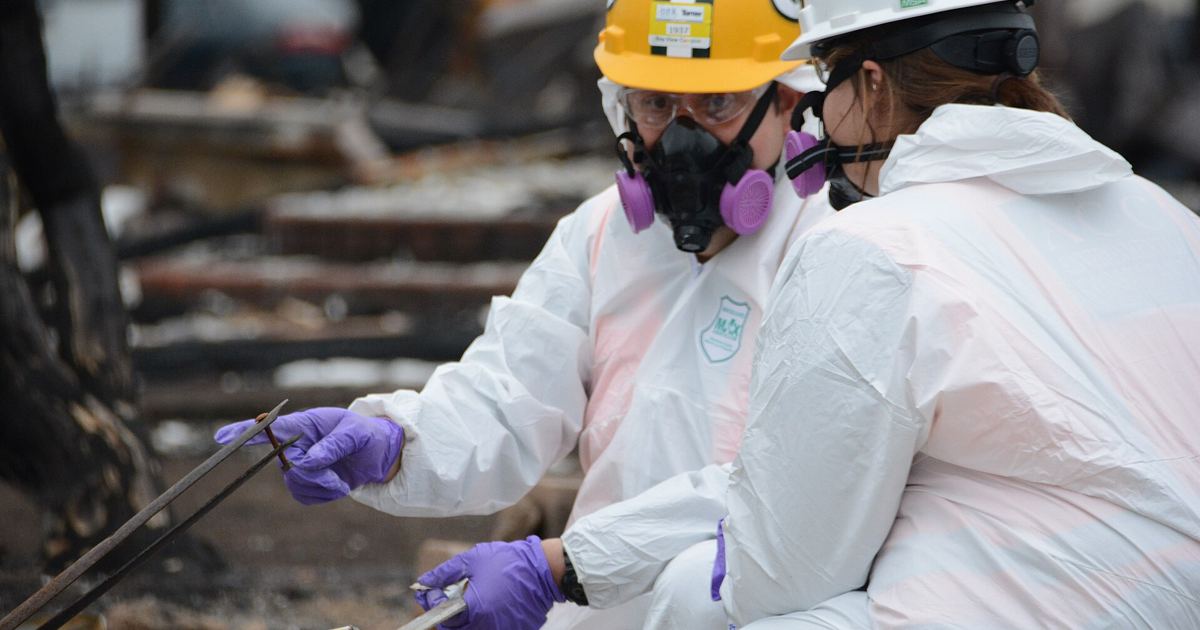
Estimating commercial or civil work on hazardous substance sites requires identifying the exact regulatory tier that governs your project. Under 29 CFR 1926.65, OSHA establishes distinct compliance obligations depending on whether operations take place at an uncontrolled cleanup location, a regulated disposal facility, or an unexpected spill scene. Misidentifying the scope can leave an estimate short on mandatory training, supervisory overhead, or jobsite support facilities.
Comparing the Three Operational Scopes Under 29 CFR 1926.65
Section 1926.65 divides hazardous waste work into distinct operational categories, each carrying different compliance boundaries:
- Uncontrolled Hazardous Waste Cleanups: Covers government-mandated cleanups at uncontrolled sites (such as EPA National Priority Site List locations, state priority lists, or initial investigations), corrective actions under the Resource Conservation and Recovery Act of 1976 (RCRA) as amended (42 U.S.C. 6901 et seq.), and voluntary cleanups recognized by governmental bodies. Operations under these classifications must comply with virtually all standard provisions except paragraphs (p) and (q).
- Treatment, Storage, and Disposal (TSD) Facilities: Covers operations at TSD facilities regulated by 40 CFR parts 264 and 265 under RCRA, or state agencies operating under EPA agreements. These operations must comply only with paragraph (p). Excepted employers, such as conditionally exempt small quantity generators who generate no more than 1,000 kilograms (2,205 pounds) of hazardous waste in a calendar month, avoid paragraphs (p)(1) through (p)(7) if they direct personnel to evacuate rather than engage in emergency response.
- Emergency Response Operations: Covers actions taken to handle releases or substantial threats of releases of hazardous substances across any location. These operations are governed strictly by the requirements of paragraph (q).
Emergency Response vs. Incidental Releases
Estimators frequently price work on facilities where chemical products or process wastes are present. The standard distinguishes true emergency responses from routine site maintenance:
An emergency response occurs when employees from outside the immediate release area or designated responders—such as a hazardous materials response (HAZMAT) team—mobilize to handle an uncontrolled release. By contrast, OSHA excludes incidental releases from emergency response rules. If a release can be absorbed, neutralized, or controlled at the time of occurrence by maintenance personnel or workers in the immediate release area, it is not an emergency response. Spills presenting no potential safety or health hazards, such as fire, explosion, or chemical exposure, are likewise excluded.
Written Safety and Health Program vs. Site-Specific Plans
Contractors bidding on uncontrolled hazardous waste cleanup work must account for the administrative infrastructure required by paragraph (b). Employers must establish a written safety and health program designed to identify, evaluate, and control jobsite hazards. This program must incorporate seven structural parts:
- An organizational structure.
- A comprehensive workplan.
- A site-specific safety and health plan (which does not need to duplicate company standard operating procedures).
- A safety and health training program.
- A medical surveillance program.
- Standard operating procedures for safety and health.
- The interface between general program rules and site-specific activities.
Prime employers retaining outside firms must inform contractors and subcontractors of identified site hazards. These mandatory plans directly impact project overhead and should be factored into your general conditions estimate.
Field Controls: Buddy Systems, Decontamination, and Excavation
When comparing field management on standard construction jobs versus hazardous waste sites, specific operational protocols increase crew sizing and lower equipment production rates:
Under paragraph (a)(3), employers must implement a buddy system for work groups, pairing personnel so each employee is observed by at least one other team member to provide rapid emergency assistance. Decontamination procedures must also be budgeted to remove hazardous substances from workers and equipment, precluding adverse health effects before personnel leave designated zones.
Excavations opened during cleanup or site preparation require shoring or sloping under subpart P of 29 CFR part 1926. Estimators must also plan for acute and chronic health hazards, including chemical exposure, pathogens, and stress due to temperature extremes. If atmospheric oxygen drops below 19.5 percent oxygen by volume, oxygen deficiency rules trigger the mandatory use of atmosphere-supplying respiratory protection.
Supervision and Exposure Limits to Price into Bids
Work covered by OSHA 29 CFR 1926.65 requires dedicated supervisory personnel. Bids must carry the cost of an on-site safety and health supervisor who possesses the authority and knowledge to enforce the site plan. Technical tasks require a qualified person with specific training and credentials. These specialized roles, combined with required medical exams and safety training, increase your hourly labor burden rate.
When general industry and construction standards conflict, the provision more protective of employee safety applies without regard to 29 CFR 1926.20(e). Exposure monitoring must align with permissible exposure limits specified in § 1926.55 or published exposure levels, such as the 1986 NIOSH recommendations or the 1987-1988 ACGIH threshold limit values.
Sources
Published October 29, 2026. No affiliate links on this page. Facts come from the sources linked above; check them for updates.