Concrete Pipe Price Trends: What to Ask the GC on Utility Bids
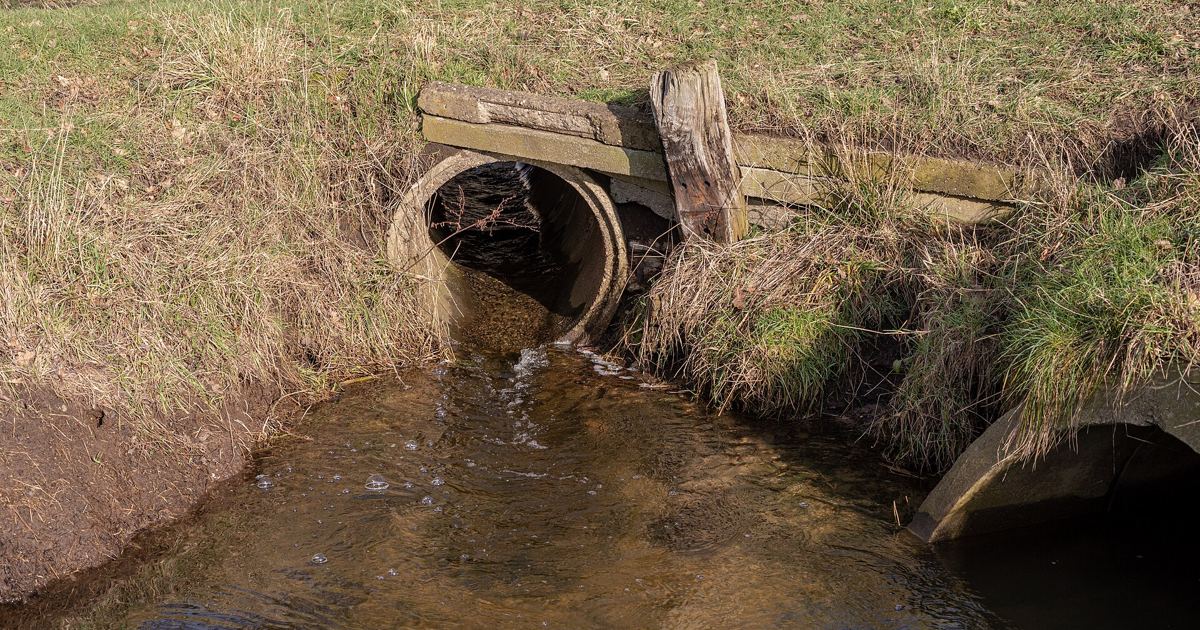
Estimating storm drainage and underground site utilities requires balancing production rates, heavy trench equipment, and large precast material packages. When concrete pipe pricing shifts or holds at historical peaks, trade contractors and small general contractors need clear contract terms before signing. Federal commodity numbers show how pricing has developed over recent years, providing the factual backdrop you need when discussing proposals with the prime contractor.
Concrete Pipe PPI Benchmark Data
According to the U.S. Bureau of Labor Statistics Producer Price Index for Concrete Pipe (WPU1332), pricing has leveled off at an elevated tier after years of continuous increases. The index base period is 1982 = 100, and figures are not seasonally adjusted, with recent months subject to revision for four months.
In September 2026, the concrete pipe index registered at 399.7 (raw 399.708), unchanged at +0.0% month over month from August 2026. However, looking at longer horizons highlights substantial long-term cost growth. The index stood at 252.7 in January 2020 before pandemic disruptions, meaning September 2026 sits 58.2% above that pre-pandemic mark.
| Period | Index Value | Change to Latest (Sept. 2026) |
|---|---|---|
| September 2026 (Latest) | 399.7 | 0.0% (vs. Aug. 2026) |
| September 2025 (1 Year Earlier) | 396.8 | +0.7% |
| September 2021 (5 Years Earlier) | 263.4 | +51.7% |
| January 2020 (Pre-Pandemic) | 252.7 | +58.2% |
| February 2025 (Window High) | 404.8 | -1.3% |
Across the historical window from January 2017 to September 2026, the lowest monthly value was 222.0 in February 2018, while the annual average climbed from 226.7 in 2017 to 397.9 in 2025. Between January 2026 and September 2026, every single monthly value has printed at exactly 399.7. While short-term factory pricing has stabilized, the sustained plateau near the all-time peak makes clear communication with your general contractor vital.
What Is the Exact Submittal Review and Delivery Schedule?
Before submitting site utility numbers, clarify the schedule for storm sewer shop drawings and delivery milestones. Concrete pipe suppliers often quote prices that are valid for limited windows. If the job faces permitting delays or phasing extensions, quotes can expire before fabrication begins.
- How long does the owner or civil engineer take to approve reinforced concrete pipe submittals?
- What is the planned mobilization date for deep underground utilities versus paving?
- Will the GC allow early delivery and off-site or on-site staging if plant production slots open early?
Drafting clear language around dates prevents you from absorbing factory surcharges later. Estimators often outline these terms in their proposals using bid exclusions and clarifications.
Will the Contract Include a Material Escalation Clause?
Although the concrete pipe PPI moved only +0.7% from September 2025 (396.8) to September 2026 (399.7), the broader market has seen sharp volatility. Two years earlier, in September 2024, the index was 380.8, showing a +5.0% change to current levels.
Ask the GC whether the owner agreement includes price adjustment provisions and if those protections flow down to your trade subcontract:
- Does the prime agreement incorporate standard baseline index formulas for heavy utility commodities?
- Is the GC willing to tie contract unit adjustments to published BLS PPI commodity series WPU1332?
- What threshold of price movement triggers a change order?
For guidance on structuring these protections without pricing yourself out of work, review practical setups for price escalation clauses.
Who Covers Unloading, Staging, and Site Access?
Concrete pipe sections require heavy equipment to offload, handle, and string along the trench line. Because precast materials are bulky and fragile under impact, estimators must establish operational boundaries upfront.
Address these jobsite questions directly:
- Is the site access road graded and maintained to support heavy flatbed delivery trucks without delays?
- Does the utility subcontractor or the prime contractor furnish the crane or handling equipment for offloading?
- If deliveries arrive in phases, is there a designated laydown yard that avoids double handling?
How Are Payment Terms and Storage Approvals Structured?
With annual averages rising from 249.2 in 2020, 260.6 in 2021, 311.7 in 2022, 352.3 in 2023, and 374.5 in 2024 up to 397.9 in 2025, buying pipe consumes significant project capital. Storing pipe before installation can mitigate scheduling delays, but carrying costs can strain cash flow.
Confirm the billing rules with the GC before bid closing:
- Will the owner pay for materials stored on-site or in bonded off-site precast yards?
- What specific documentation or bill of sale is required with monthly pay applications?
- What retainage rate applies to underground utility materials versus labor?
Sources
U.S. Bureau of Labor Statistics, Producer Price Index series WPU1332
U.S. Bureau of Labor Statistics, Producer Price Index News Release summary - 2026 M09 Results
Published October 30, 2026. No affiliate links on this page. Facts come from the sources linked above; check them for updates.