Crane Wire Rope Inspection Checklist: Section 1926.1413 for Bidders
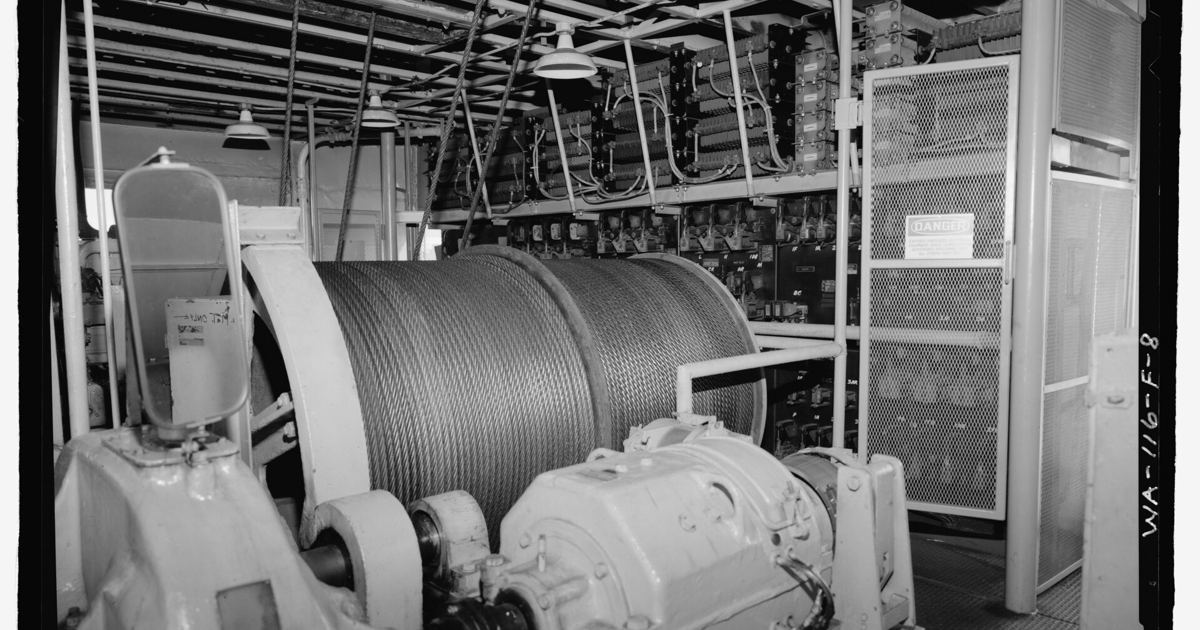
Estimators pricing mobile crane operations, hoisting packages, or jobsite general conditions must account for mandatory equipment safety protocols. Federal safety mandates under eCFR Section 1926.1413 wire rope safety standards establish strict criteria for running and standing lines. Visual examinations, monthly logs, and annual comprehensive reviews dictate daily equipment readiness. When building an estimate or leveling trade proposals on bid day, verifying these wire rope inspection requirements helps estimators prevent unexpected job stoppages and unbudgeted repair downtime.
Checklist Item: Shift Visual Inspection Protocols
Before any crane operates during a work shift, a visual check must begin. A designated competent person must initiate this inspection prior to each shift the equipment is used, completing the review either before or during that operating period. The visual observation focuses on all running and standing wire ropes likely to see service during the shift to identify apparent deficiencies.
Crucially for bidding schedules, field crews are not required to unfasten, untwist, or open the wire rope, nor are they required to boom down the machine to complete this daily check. Incorporating adequate time for this competent person task into daily field costs belongs in your baseline estimate when estimating general conditions for hoisting equipment.
Checklist Item: Defect Categories and Immediate Removal Criteria
The standard groups rope damage into three distinct categories, each carrying precise operational actions that bidders must understand when reviewing equipment maintenance risk:
- Category I: Involves significant physical distortion such as kinking, crushing, birdcaging, unstranding, signs of core failure, or steel core protrusion between outer strands. It also includes significant corrosion, electric arc damage from sources other than power lines, heat damage, or improperly applied, cracked, bent, worn, or corroded end fittings. A competent person must make an immediate determination whether the defect is a safety hazard; if so, hoisting must cease until the line is replaced under § 1926.1417 or severed.
- Category II: Encompasses wear and broken wires exceeding specific limits: in running ropes, six randomly distributed broken wires in one rope lay, or three broken wires in one strand in one rope lay (where a rope lay is the length in which one strand makes a complete revolution); in rotation resistant lines, two randomly distributed breaks in six rope diameters, or four breaks in 30 rope diameters; in pendants or standing ropes, more than two breaks in one rope lay beyond end fittings, or more than one break in a rope lay at an end fitting; or any diameter reduction exceeding 5% from nominal diameter. Operations must halt until complying with manufacturer criteria, replacing the rope, or severing the defective segment.
- Category III: Includes core protrusion or distortion indicating core failure in rotation resistant wire rope, a completely broken strand, or prior electrical contact with an energized power line. Operations must stop immediately until replacement or severing occurs.
Checklist Item: Critical Review Points Along the Line
When performing examinations under the Section 1926.1413 inspection criteria, the competent person must pay particular attention to vulnerable wear zones across the hoisting setup:
- Rotation resistant wire rope in active use.
- Wire rope used for boom hoists and luffing hoists, with close focus on reverse bends.
- Rope passing over flange points, crossover points, and repetitive pickup locations on drums.
- Rope sections located at or near terminal ends.
- Rope in contact with saddles, equalizer sheaves, or other sheaves where rope travel is limited.
Checklist Item: Monthly Inspection Tracking and Records
Wire rope safety does not end with daily pre-shift walk-throughs. Each month, ropes must undergo an inspection conducted in accordance with shift inspection procedures. This review must specifically monitor any non-hazard deficiencies that a qualified person identified for ongoing tracking during the preceding annual evaluation.
Cranes cannot be placed into service until this monthly evaluation proves that no corrective removal action is required. Furthermore, employers must maintain formal documentation of every monthly check in accordance with § 1926.1412(e)(3).
Checklist Item: Annual Comprehensive Evaluation Requirements
At least every 12 months, wire ropes on equipment must undergo a complete and thorough inspection conducted by a qualified person. This comprehensive evaluation covers the entire surface length of all ropes, paying specific attention to critical wear items, sections hidden during routine shift and monthly checks, reverse bends, and segments passing over sheaves.
If machine setup, urban density, or site conditions make a full annual evaluation infeasible, the inspection must occur as soon as feasible, but no longer than an additional 6 months for running ropes, and at the time of disassembly for standing ropes. If defects are found, the qualified person determines whether a safety hazard exists requiring immediate stoppage, or if the item can be monitored monthly. Annual records must be documented pursuant to § 1926.1412(f)(7).
Checklist Item: Tag-Out, Splicing Prohibitions, and Drum Wraps
Whenever a deficiency requires removal from service, the crane as a whole or the affected hoist drum must be tagged-out in accordance with § 1926.1417(f)(1) until repaired or replaced. Joining lengths of wire rope by splicing is strictly prohibited under the standard. If an employer corrects a localized defect by severing the rope, the employer must ensure that the drum retains at least two wraps of wire when the boom or load reaches its lowest position. Repairing rope that contacted an energized power line is prohibited. Adding these strict operational rules into your bid day checklist ensures crane allowances cover compliant rigging and qualified personnel.
Sources
Electronic Code of Federal Regulations: Section 1926.1413 Wire Rope Inspection
Occupational Safety and Health Administration: Crane, Derrick and Hoist Safety Overview
Published October 29, 2026. No affiliate links on this page. Facts come from the sources linked above; check them for updates.