Dedicated Pile Drivers and Sideboom Cranes: Subpart CC Guide
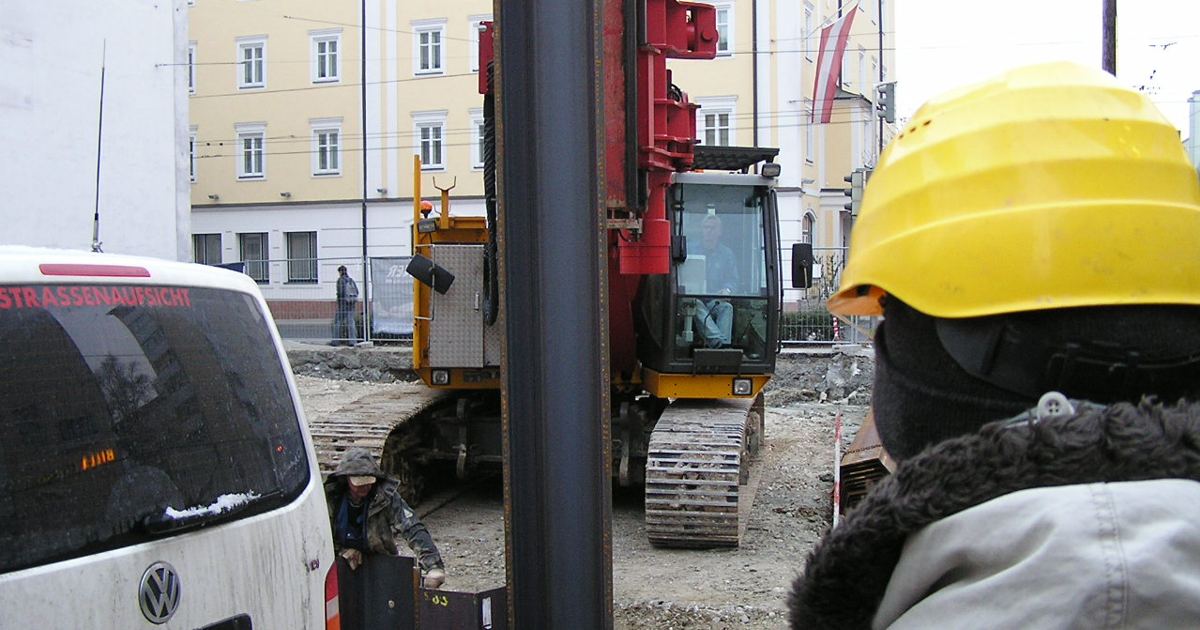
Federal crane safety standards under 29 CFR Part 1926 Subpart CC apply broadly to lifting machinery across construction sites. However, specialized machines do not follow the exact same regulatory path as standard hydraulic or lattice boom mobile cranes. Two major classes of specialized lifting and driving machinery—dedicated pile drivers and sideboom cranes—are governed by tailored regulatory sections that define precisely which crane rules apply and which are excluded.
Baseline Scope Under OSHA Subpart CC
Under OSHA regulations, general construction lifting equipment falls under the wide umbrella of Subpart CC. Rather than creating entirely disconnected standards for every specialized machine, federal safety rules establish Subpart CC as the primary baseline, then carve out narrow modifications or wide exemptions for specific machinery.
As set forth in 29 CFR 1926.1439, dedicated pile drivers remain subject to the general body of Subpart CC provisions unless a specific exception is identified. In contrast, 29 CFR 1926.1440 establishes extensive carve-outs for sideboom cranes, releasing them from multiple standard operational systems and substituting industry consensus standards in their place.
Dedicated Pile Drivers: What Rules Apply Under § 1926.1439
Dedicated pile drivers operate with specific mechanical constraints that make certain traditional crane safety devices unnecessary or impractical. Under 29 CFR 1926.1439(a), all provisions of Subpart CC apply to dedicated pile drivers, with three explicit exceptions:
- Anti Two-Blocking Devices: Section 1926.1416(d)(3) does not apply to dedicated pile drivers.
- Load Weighing Devices: Section 1926.1416(e)(4), which governs load weighing and similar devices, applies solely to dedicated pile drivers manufactured after November 8, 2011. Equipment manufactured on or before that date is exempt from this requirement.
- Design and Equipment Requirements: Under § 1926.1433, only paragraphs (d) and (e) apply to dedicated pile drivers, excluding the remainder of that section.
Aside from these specific carve-outs, dedicated pile drivers must adhere to standard Subpart CC procedures, including inspection protocols, signal requirements, and standard operating procedures.
Sideboom Cranes: Major Subpart CC Exemptions Under § 1926.1440
Sideboom cranes feature a substantially different configuration than traditional cranes, typically mounted to heavy tractors. As a result, 29 CFR 1926.1440(a) removes several major cornerstones of the standard crane standard. The following core sections do not apply to sideboom cranes:
- Ground Conditions: Section 1926.1402 does not apply (for general ground rules on other crane types, see our review of OSHA Section 1926.1402 Crane Ground Conditions).
- Safety Devices: Section 1926.1415 does not apply.
- Operational Aids: Section 1926.1416 does not apply.
- Operator Qualification: Section 1926.1427 does not apply (compare with the standard requirements in our guide to OSHA 1926.1427: Crane Operator Certification).
Regarding load handling mechanics, § 1926.1426 (Free fall and controlled load lowering) applies to sideboom cranes, with the exception of § 1926.1426(a)(2)(i). Furthermore, sideboom cranes designed with a boom that can free fall (a live boom) are permitted only if the machinery was manufactured prior to November 8, 2010.
Mandatory ASME B30.14-2004 Rules for Sideboom Tractors
While sideboom cranes bypass multiple sections of Subpart CC, machinery mounted on wheel or crawler tractors must comply with specific provisions of ASME B30.14-2004, incorporated by reference under § 1926.1440(c). The mandatory sections include:
- Section 14-1.1 ("Load Ratings")
- Section 14-1.3 ("Side Boom Tractor Travel")
- Section 14-1.5 ("Ropes and Reeving Accessories")
- Section 14-1.7.1 ("Booms")
- Section 14-1.7.2 ("General Requirements—Exhaust Gases")
- Section 14-1.7.3 ("General Requirements—Stabilizers (Wheel-Type Side Boom Tractors)")
- Section 14-1.7.4 ("General Requirements—Welded Construction")
- Section 14-1.7.6 ("General Requirements—Clutch and Brake Protection")
- Section 14-2.2.2 ("Testing—Rated Load Test"), applied only to altered or modified equipment
- Section 14-3.1.2 ("Operator Qualifications"), paragraph (a), omitting the phrase "When required by law"
- Section 14-3.1.3 ("Operating Practices"), paragraphs (e), (f)(1)-(f)(4), (f)(6), (f)(7), (h), and (i)
- Section 14-3.2.3 ("Moving the Load"), paragraphs (j), (l), and (m)
Direct Comparison: Dedicated Pile Drivers vs. Sideboom Cranes
Comparing these two equipment classes highlights key differences in compliance responsibilities for contractors:
- Operational Aids and Safety Devices: Dedicated pile drivers must comply with § 1926.1416 operational aid rules—retaining all requirements except anti two-blocking devices and conditioning load weighing devices on a November 8, 2011 manufacture date. Sideboom cranes are completely exempt from both § 1926.1415 and § 1926.1416.
- Operator Standards: Dedicated pile drivers are subject to general Subpart CC operator rules, whereas sideboom cranes bypass § 1926.1427 entirely and instead rely on ASME B30.14-2004 Section 14-3.1.2(a).
- Manufacture Cutoff Dates: For dedicated pile drivers, November 8, 2011 is the cutoff for requiring load weighing devices under § 1926.1416(e)(4). For sideboom cranes, November 8, 2010 is the cutoff date before which live boom free-fall designs remain permitted.
Sources
Occupational Safety and Health Administration standards referenced:
Published October 30, 2026. No affiliate links on this page. Facts come from the sources linked above; check them for updates.