Materials Handling and Mechanical Equipment Near Energized Lines: Operator Checklist
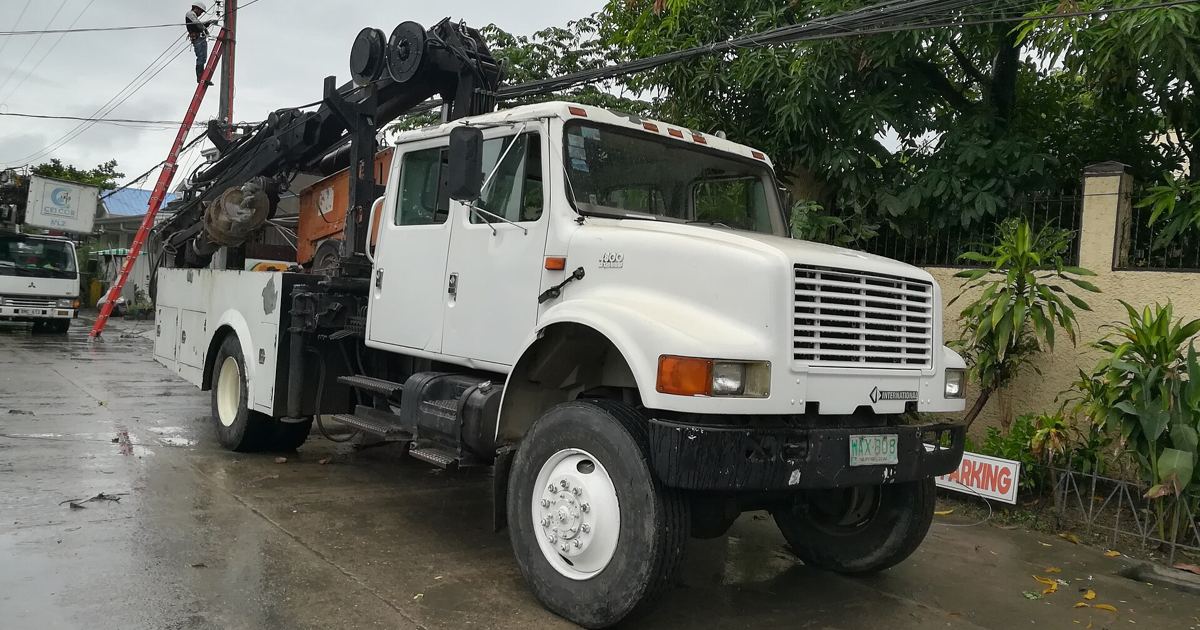
Staging materials and operating heavy machinery around high-voltage utility infrastructure requires rigorous procedural controls. When contractors and equipment operators handle loads near power lines, federal safety standards mandate specific storage boundaries, mechanical inspections, outrigger practices, and electrical protection systems. Under 29 CFR 1926.958 and 29 CFR 1926.959, employers must implement precise field measures to prevent conductor contact and protect ground crews from lethal differences in electric potential.
Checklist 1: Material Storage Clearances Near Energized Equipment
Before stockpiling supplies or staging mechanical equipment on a utility site, field personnel must verify the access classification of the staging zone and calculate clear working distances. Under OSHA 29 CFR 1926.958 materials handling and storage regulations, operations must comply with general handling and storage standards in the safety code, including subpart N and subpart CC.
- Unrestricted area base clearance: For areas where access is not restricted exclusively to qualified persons, ensure stored materials and equipment maintain a clearance from energized lines and exposed parts of 3.05 meters (10 feet) for voltages of 50 kilovolts or less.
- High-voltage buffer addition: For lines and equipment energized at more than 50 kilovolts, add 0.10 meter (4 inches) for every 10 kilovolts over 50 kilovolts to the base 3.05 meters (10 feet) clearance.
- Dynamic movement allowance: Add additional clearance to account for the maximum sag and side swing of all conductors, as well as the height and movement of material-handling equipment.
- Restricted area boundaries: In areas restricted to qualified employees, do not store materials within the working space established about energized lines or equipment as specified in paragraph (b) of § 1926.966.
Checklist 2: Pre-Shift Inspection and Operator Stations
Mechanical elevating and rotating units demand daily verification prior to hoisting or positioning tasks near electrical systems. Equipment operations must follow applicable construction standards, including subpart N, subpart O, and subpart CC, though OSHA 29 CFR 1926.600(a)(6) does not apply to operations performed by qualified employees.
- Critical component visual checks: Conduct a thorough visual inspection before use on each shift for critical safety components—defined as those components whose failure would result in free fall or free rotation of the boom.
- Controls monitoring: Operators of electric line trucks must remain at the controls while any load remains suspended, unless the employer demonstrates that no employee, including the operator, is endangered.
- Load rating discipline: Ensure all mechanical equipment used to elevate or move lines or other materials operates strictly within its maximum load ratings and design limitations for current jobsite conditions.
Checklist 3: Outrigger Deployment and Operating Limits
Stability determines whether machinery maintains safe working clearances or shifts unexpectedly into energized zones. Mechanical equipment provided with outriggers must follow direct operational controls to protect ground personnel.
- Firm positioning: Extend outriggers and ensure they are firmly set before commencing mechanical operations.
- Operator line of sight: Do not extend or retract outriggers outside the clear view of the operator unless every employee remains outside the range of possible equipment movement.
- Terrain limitations: If site terrain or the physical work space prevents extending outriggers, operate the machinery strictly within the manufacturer maximum load ratings specified for that equipment configuration without outriggers.
Checklist 4: Approach Distances and Dedicated Observers
Operating near utility infrastructure requires active monitoring to ensure equipment boundaries are never breached. Mechanical equipment must be operated so that the minimum approach distances established by the employer under § 1926.960(c)(1)(i) are maintained from exposed lines and electrical gear.
An exception applies to the insulated portion of an aerial lift operated by a qualified employee inside the lift, provided the uninsulated sections maintain required minimum approach distances from exposed objects with differing electrical potential. For all other operations, assign a designated employee other than the operator to continuously observe clearances. This observer must deliver timely warnings before the minimum approach distance is breached, unless the employer demonstrates the operator can accurately gauge and maintain the distance independently.
Checklist 5: Precautions Against Equipment Energization
Whenever mechanical machinery could potentially contact an energized source during work, crews must establish preventive safeguards before movement begins. In coordination with broader protocols outlined in our power line safety guide, operations must satisfy at least one of three protective methods:
- Protective line covering: Install insulating protective material over exposed energized lines or equipment capable of withstanding any physical contact that could occur during operations.
- Equipment insulation: Utilize mechanical machinery insulated for the voltage involved, positioned so uninsulated sections cannot breach the minimum approach distance established under § 1926.960(c)(1)(i).
- Comprehensive touch-potential control: Protect every worker from hazardous differences in electrical potential. Unless alternative employer methods demonstrate equivalent protection, crews must execute all four of these techniques:
- Connect to the best available ground to minimize the time lines or electrical apparatus remain energized during a fault.
- Bond mechanical equipment together to eliminate potential differences between machines.
- Lay out ground mats to extend areas of equipotential for workers on the ground.
- Erect barricades or use insulating protective equipment to shield personnel against any remaining electrical potential differences.
Sources
Regulatory requirements cited throughout this guide are drawn directly from the following federal standards:
Published October 31, 2026. No affiliate links on this page. Facts come from the sources linked above; check them for updates.