Fabricated Metal Pipe and Tube Trends: Estimator Bid Checklist
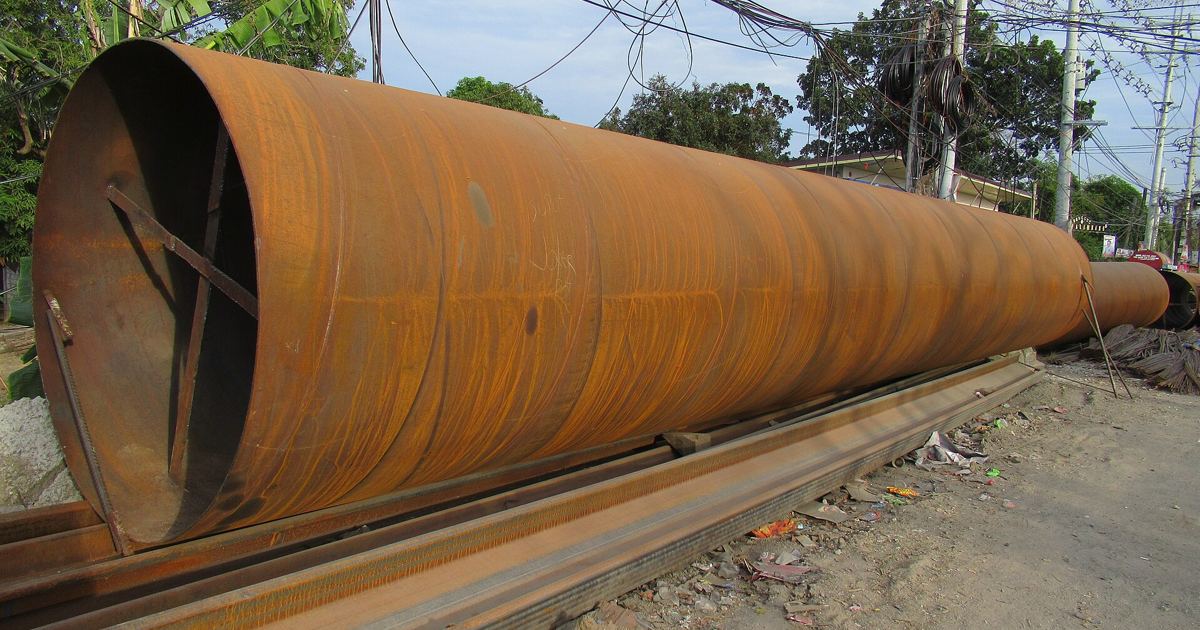
Estimators preparing commercial mechanical bids or interior packages with specialized piping scope must navigate shifts in manufacturing and metal fabrication costs. When pricing assemblies that incorporate pipe, tubing, and mechanical connections, relying on federal commodity data helps teams establish verified baselines. This checklist-driven guide outlines how to audit recent Producer Price Index data for fabricated metal pipe, tube, and fittings to protect your project estimates.
1. Verify Baseline Figures Against the Peak in Recent BLS Data
Before submitting mechanical estimates or locking in purchase agreements, check whether current supplier figures reflect historical highs. Data from the U.S. Bureau of Labor Statistics PPI series WPU107411 tracks fabricated metal pipe, tube, and fittings with an index base period of December 2011 = 100. For September 2026, the index reached 169.9 (raw value 169.861), which is the highest monthly value recorded across the entire data window from January 2017 to September 2026. Because September 2026 is at 169.9, the latest figure stands at +0.0% versus that ten-year peak.
In the immediate term, the index moved from 167.6 in August 2026 to 169.9 in September 2026, representing a single-month increase of +1.3%. Tracking these month-to-month changes helps estimators determine whether current material proposals reflect continuing price momentum.
2. Benchmark Multi-Year Movement with Key Historical Milestones
Longer project cycles require estimators to look beyond current vendor sheets. Comparing the latest index level against past benchmarks reveals substantial multi-year cost increases across fabricated piping and fitting products. The index recorded a low of 99.7 (raw value 99.700) in January 2017. Compared to pre-pandemic conditions in January 2020, when the index stood at 105.2 (raw value 105.200), the change to September 2026 is +61.5%.
The table below summarizes the key index figures contractors should evaluate when comparing historical mechanical cost sheets against current bidding levels.
| Reference Period | Index Value | Raw Value | Change to Latest (Sep 2026) |
|---|---|---|---|
| Latest Month (September 2026) | 169.9 | 169.861 | 0.0% |
| One Year Earlier (September 2025) | 150.4 | 150.436 | +12.9% |
| Two Years Earlier (September 2024) | 142.7 | 142.683 | +19.0% |
| Five Years Earlier (September 2021) | 134.4 | 134.387 | +26.4% |
| Pre-Pandemic Baseline (January 2020) | 105.2 | 105.200 | +61.5% |
| Data Window High (September 2026) | 169.9 | 169.861 | +0.0% |
3. Audit Consecutive Monthly Trajectory and Four-Month Revisions
When tracking piping procurement, review the monthly sequence rather than isolated quarterly snapshots. Over the last 13 months, monthly index numbers reveal continuous upward movement throughout 2026:
- September 2025: 150.4
- October 2025: 150.1
- November 2025: 150.5
- December 2025: 151.1
- January 2026: 155.3
- February 2026: 156.5
- March 2026: 157.6
- April 2026: 161.1
- May 2026: 161.7
- June 2026: 165.8
- July 2026: 166.9
- August 2026: 167.6
- September 2026: 169.9
Estimators should remember that BLS Producer Price Index values are not seasonally adjusted, and recent months are preliminary figures subject to revision for four months following initial publication. Account for potential four-month adjustments before locking in final billing reconciliations.
4. Cross-Check Annual Averages Across Multi-Year Budgets
Examining annual averages illustrates how fabricated pipe and fitting costs have shifted year over year. In 2017, the annual average was 100.9, rising to 104.9 in 2018, 106.0 in 2019, and dipping slightly to 105.9 in 2020. Upward momentum accelerated sharply in subsequent years, reaching 125.4 in 2021, 140.4 in 2022, 144.4 in 2023, 146.8 in 2024, and 149.5 in 2025.
For 2026, the annual average computed from January through September stands at 162.5. This elevated average reflects the steady monthly climb from 155.3 in January 2026 to 169.9 in September 2026, showing that price levels have remained consistently elevated above 2025 levels throughout the entire year.
5. Implement Bid Day Clarifications and Protection Protocols
To shield mechanical proposals from volatility between bid opening and material buyouts, incorporate these practical verification steps into your bidding process:
- Document vendor quote validity windows: Request supplier quotes in writing with precise expiration dates to confirm how long fabricated piping prices remain binding.
- Cite federal index benchmarks in bid notes: Use bid exclusions and clarifications to state the exact index month and series number used to price your material base.
- Incorporate adjustment mechanisms: On extended or multi-phase projects, include price escalation clauses linked directly to BLS commodity series WPU107411 so subsequent cost shifts are calculated against an objective federal metric.
- Verify preliminary status dates: Factor in the four-month window for preliminary BLS data revisions when evaluating final material true-ups.
Sources
Published October 31, 2026. No affiliate links on this page. Facts come from the sources linked above; check them for updates.