Forklift Safety and Operator Training: Q&A Guide
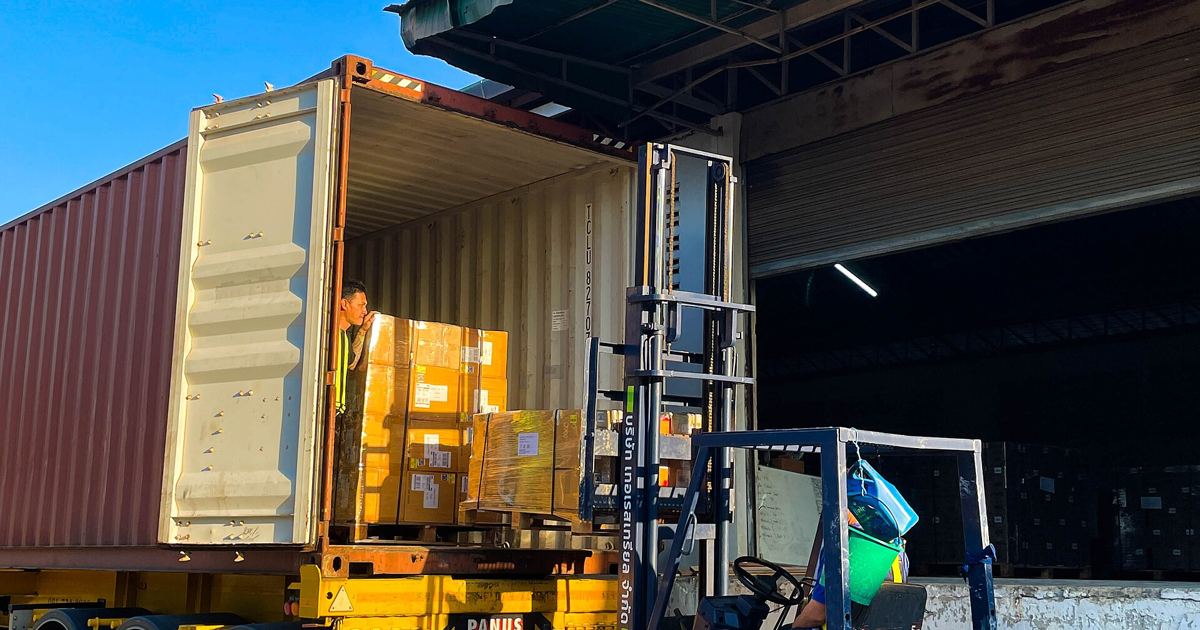
Material movement on busy commercial and residential construction projects requires clear coordination, especially when moving framing packs, drywall bunks, or crated equipment. Powered industrial trucks are regular fixtures across staging yards and active building sites. Ensuring that every worker who handles this equipment meets federal safety standards protects crew members on foot and keeps site logistics running smoothly. Below are clear answers to essential questions regarding equipment definitions, operator qualifications, incident risks, and mandatory training compliance.
What Qualifies as a Powered Industrial Truck Under Federal Safety Guidance?
Powered industrial trucks, commonly called forklifts or lift trucks, are utilized across many industries primarily to move materials from one location to another. According to the OSHA Powered Industrial Trucks Overview, these machines can raise, lower, or remove large objects as well as groups of smaller objects loaded onto pallets, boxes, crates, or other storage containers.
Depending on the design, powered industrial trucks can either be ridden directly by an equipment operator or controlled by an individual walking alongside the unit. However, the agency draws specific lines regarding what does not fit this category. Equipment such as over-the-road haulage trucks and earth-moving equipment that has been modified to accept forks are not considered powered industrial trucks under these standard definitions. Estimators and project teams evaluating site support should plan equipment costs carefully alongside general logistics, as outlined in our guide to Estimating General Conditions: The Job Costs That Aren't in Your Takeoff.
Who Is Legally Permitted to Operate a Forklift?
Federal law establishes strict age and qualification rules for anyone getting behind the controls of a powered industrial truck. It is a violation of Federal law for anyone under 18 years of age to operate a forklift. Under youth employment regulations (29 CFR 570) established under the Fair Labor Standards Act, most employees under the age of 18 years are prohibited from operating forklifts for non-agricultural operations.
Age alone does not confer permission to run equipment. Federal law also specifies that it is a violation for anyone over 18 years of age to operate a lift truck if they are not properly trained and certified. Subcontractors and general contractors must ensure that every candidate operating equipment possesses verified credentials rather than assuming general site experience qualifies a worker to take the controls.
What Training Requirements Must Employers Fulfill Before Assigning an Operator?
Determining how best to safeguard workers from injury depends significantly on the specific type of truck operated and the particular worksite where the equipment is in use. Under federal rules outlined in 29 CFR 1910.178(l)(1), employers must ensure that each powered industrial truck operator is competent to operate a powered industrial truck safely. This competency must be demonstrated through the successful completion of training and evaluation specified in the standard.
A passing grade or general classroom lecture alone does not satisfy the requirement; employers must confirm competency through practical evaluation. When budgeting site operations or reviewing crew trade classifications, tracking operator qualifications is critical. Contractors can cross-reference operator labor planning with our checklist on Pricing Equipment Operator Labor: Checklist for Subcontractors.
What Common Hazards and Incidents Cause Forklift Injuries?
Each type of powered industrial truck introduces distinct operational hazards. For instance, a sit-down, counterbalanced high-lift rider truck carries a higher likelihood of being involved in a falling load accident than a motorized hand truck because the sit-down rider can lift materials much higher than a hand truck can.
Workplace layout and environmental conditions directly influence accident patterns. For example, retail establishments frequently encounter greater hurdles than other job environments in protecting pedestrian safety. As detailed by the OSHA Powered Industrial Trucks Overview, serious injuries to workers commonly occur during several distinct jobsite scenarios:
- Lift trucks are inadvertently driven off loading docks.
- Lifts fall between docks and an unsecured trailer.
- Workers on foot are struck by a lift truck.
- Workers fall while standing on elevated pallets and tines.
What Safety Publications and Checklists Support Daily Field Management?
OSHA provides several practical resources designed to aid employers in maintaining safe operations and inspecting equipment. Daily inspections can be implemented using sample daily checklists for powered industrial trucks prepared by OSHA and the Industrial Trucking Association (ITA) Alliance, as well as checklists prepared by the UAW-Ford National Joint Committee on Health and Safety.
Additional safety guidance publications address ongoing maintenance and hazard management. Employers can review OSHA Alert Publication 3973 (issued in 2019), titled Protect Workers Operating and Working Near Forklifts, and OSHA QuickCard Publication 3949 (issued in 2019), titled Safe Forklift Operation. For facilities and operations managing modern battery equipment, the agency published an OSHA Fact Sheet in 2025 titled Lithium-ion Battery Safety, which covers critical hazards and controls when using and maintaining lithium-ion power sources.
Sources
Safety guidance and regulatory facts in this guide are drawn directly from the following official publications:
Published October 29, 2026. No affiliate links on this page. Facts come from the sources linked above; check them for updates.