Pricing Construction Equipment Operator Labor: An Estimator Checklist
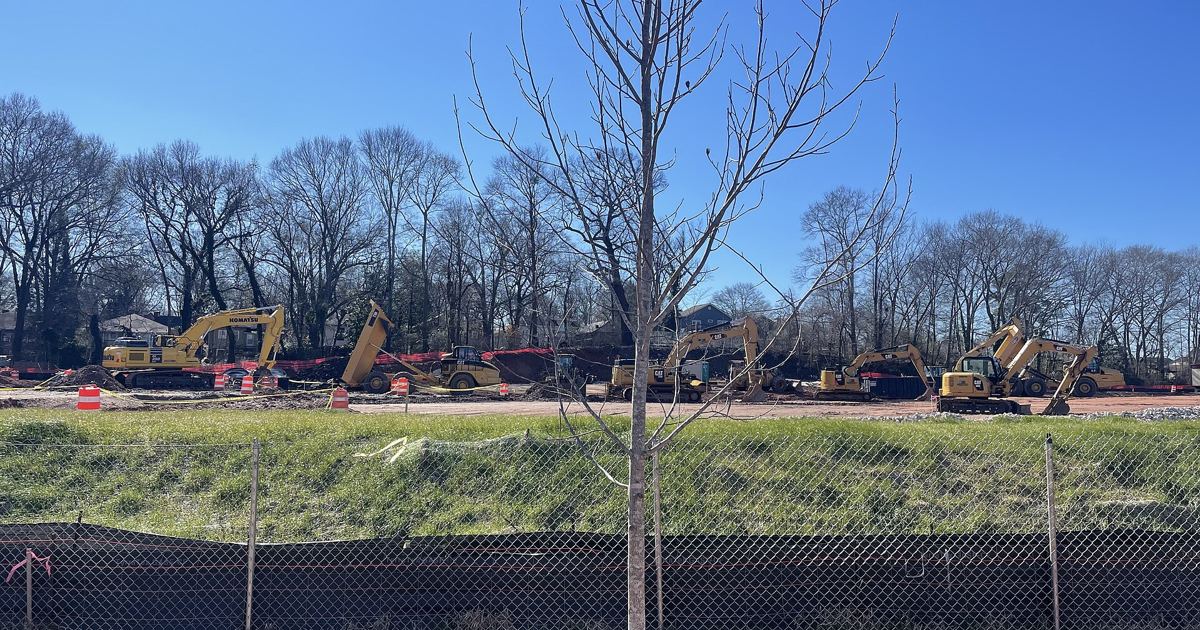
Whether hoisting drywall packs onto elevated staging, running telehandlers for exterior framing panels, or moving site materials, heavy machinery operations directly impact trade budgets. Subcontractors and general contractors must price construction equipment operators with precision rather than relying on guesswork. To help structure your bid day figures, use this checklist-driven approach aligned with federal labor benchmarks and workforce projections.
Checklist Item 1: Calibrate Base Hourly Rates to National Benchmarks
Before adding markups or burden, establish a baseline for what equipment operators earn across the market. The U.S. Bureau of Labor Statistics Occupational Outlook Handbook for Construction Equipment Operators reports that the median hourly wage reached $28.66 in May 2025, which corresponds to a median annual pay of $59,600. Construction equipment operators drive, maneuver, or control the heavy machinery used to construct roads, buildings, and other structures. If your base wage assumptions fall significantly below $28.66 per hour, your project risks staffing turnover or uncompetitive bids when recruiting skilled machine operators.
Checklist Item 2: Factor in Adverse Weather and Non-Standard Shifts
Jobsite operating conditions create hidden labor costs that need explicit accounting during bidding. When reviewing project specs and equipment duration, confirm whether your crew will face off-hours scheduling or harsh outdoor elements:
- Exposure to elements: Construction equipment operators may work even in unpleasant weather, which can lower production speed and increase cycle times on rough terrain.
- Irregular work hours: While most operators work full time, some have irregular work schedules that include nights to accommodate tight site access or road closures.
- Overhead and supervision: Night work and severe weather often demand dedicated lighting, spotters, and specific trade support that belong in your project overhead or equipment allocation.
To avoid leaking profit on support costs, review your equipment staging in estimating general conditions before locking in your proposal.
Checklist Item 3: Calculate Full Burden Above the Base Rate
A base rate of $28.66 per hour never represents the total cost of keeping an operator in the cab. Employers must carry taxes, workers' compensation insurance, health coverage, paid leave, and safety training. Understanding the full gap between base pay and actual company expenditure is critical; refer to our guide on calculating labor burden to make sure mandatory payroll overhead is factored into every machine-hour billed.
Checklist Item 4: Account for Training and Onboarding Expenses
Equipment operators require dedicated preparation before running machinery safely around framing crews and ceiling grids. Government data indicates the typical entry-level education is a high school diploma or equivalent, with none required for work experience in a related occupation. However, operators require moderate-term on-the-job training to master equipment controls. While many workers learn how to operate construction equipment on the job after earning a high school diploma or equivalent, others learn through an apprenticeship or by attending vocational schools. Budgeting for on-the-job training hours and mentor time prevents lost production when onboarding newer machine operators.
Checklist Item 5: Gauge Regional Labor Scarcity and Replacement Needs
Long-term workforce availability affects how much premium you may need to offer operators on extended jobs. According to the U.S. Bureau of Labor Statistics, overall employment for construction equipment operators stood at 534,100 jobs in 2025. Employment is projected to grow 4 percent from 2025 to 2035, about as fast as the average for all occupations, adding 21,800 jobs over the decade.
More critically for estimators evaluating crew stability, about 42,500 openings for construction equipment operators are projected each year, on average, over the decade. Many of those openings are expected to result from the need to replace workers who transfer to different occupations or exit the labor force, such as to retire. In areas where senior operators are retiring without immediate replacements, subcontractor wage packages must stay competitive to prevent machinery from sitting idle.
Sources
Construction Equipment Operators : Occupational Outlook Handbook: : U.S. Bureau of Labor Statistics
Published October 28, 2026. No affiliate links on this page. Facts come from the sources linked above; check them for updates.