Heat Illness Prevention on Bid Day: Productivity and Scheduling Checklist
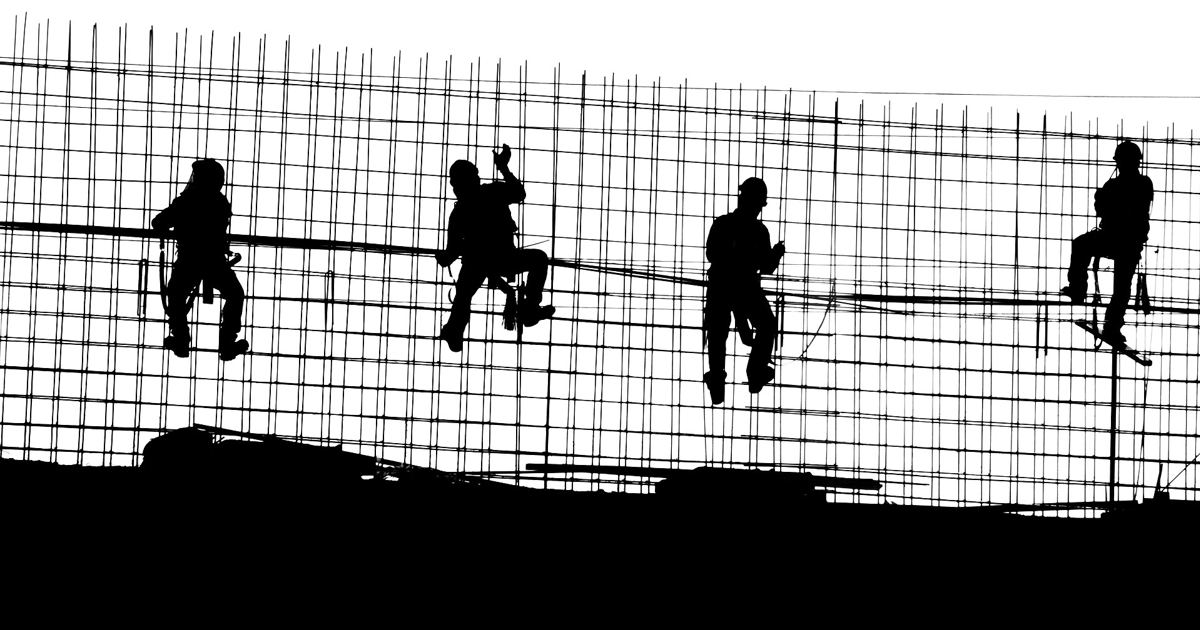
When estimators assemble bids, labor productivity rates frequently assume optimal field conditions. However, occupational heat exposure regularly alters standard production rates for framing, drywall, ceiling, and structural trades. Millions of U.S. workers face workplace heat, leading to thousands of illnesses annually and several fatal incidents. Under the National Emphasis Program – Outdoor and Indoor Heat-Related Hazards (OSHA Directive CPL 03-00-024, April 10, 2026), federal regulators focus attention on conditions that place crews at risk. Whether work occurs outside on hot surfaces or inside poorly ventilated structures, estimators should review heat safety requirements as a concrete line item on their Bid Day Checklist for Drywall and Ceiling Subcontractors.
1. Account for Acclimatization Schedules
Crew productivity drops when workers lack acclimatization. Workers who have not recently spent time working in warm conditions need time to build physical tolerance. When building bid schedules for projects starting in high-temperature environments, estimators must recognize that unacclimatized workers require shorter shifts, more frequent breaks, and close monitoring for heat illness symptoms during their initial days on site.
Factoring in this transition period prevents aggressive project schedules from collapsing during early phases. When crews are forced to operate without proper adjustment periods, the risk of serious exertional heat illness escalates rapidly, leading to lost time, hospitalizations, or severe medical emergencies.
2. Price In Field Adjustments to Workload and Pacing
Heat stress directly degrades physical output. The human body generates metabolic heat when muscles work hard, adding internal strain on top of ambient temperatures and humidity. Supervisors and workers must be empowered to slow down physical activity, which includes reducing manual handling speeds when moving heavy sheets, studs, or equipment.
Heat stress also degrades fine motor performance—such as rebar tying or keyboarding—even among fully acclimatized tradespeople. When heavy labor coincides with high environmental temperatures, planning must incorporate early morning work hours or split shifts. Estimators should reflect these productivity slowdowns in their unit labor rates rather than assuming peak output through the hottest hours of the day.
3. Factor Engineering Controls and Setup in General Conditions
OSHA emphasizes water, rest, and shade as fundamental heat illness controls. Implementing these measures incurs direct costs that belong in jobsite setup and Estimating General Conditions. Providing adequate fluids means supplying potable water as well as sport drinks to support hydration.
Jobsite planning should also incorporate engineering controls where feasible. Cooled air from temporary air conditioning units or mechanical fans that increase air movement can significantly enhance evaporative cooling. Where conditioned air is unavailable, shaded rest locations away from heat sources must be provided so workers can dissipate metabolic and environmental body heat quickly.
4. Monitor Environmental and Personal Risk Contributors
Determining whether a heat hazard exists involves multiple environmental and physiological variables. Estimators and project managers cannot rely solely on ambient air temperature. Environmental contributors include humidity, sunlight exposure, air movement, and local heat sources such as heat-absorbing roofs, road surfaces, furnaces, and ovens.
To measure conditions accurately, jobsites can utilize an on-site wet bulb globe temperature (WBGT) meter, which combines air temperature, humidity, sunlight, and air velocity into a single measurement. OSHA uses WBGT to establish whether a heat hazard is present. Crews can also use the NIOSH/OSHA Heat App to review heat index and workload guidance, while tracking personal risk factors such as medications, physical fitness, prior heat illness, and physiologic indicators like heart rate, body weight, or body temperature.
5. Verify State Standards and General Duty Exposure
While federal enforcement relies on the General Duty Clause—Section 5(a)(1) of the Occupational Safety and Health Act of 1970—to require workplaces free from recognized hazards causing or likely to cause death or serious harm, specific state jurisdictions mandate detailed compliance. Estimators pricing work across state lines must recognize that Washington, Minnesota, California, Oregon, and Colorado enforce specific statutory requirements governing occupational heat exposure.
Bid-Day Heat Hazard Review Items
- Acclimatization buffers: Adjusted production rates and shortened shifts for new or unacclimatized crew members during their first week.
- Hydration and shade setup: Allowances for continuous supplies of water, sport drinks, and shaded break structures close to active work areas.
- Engineering equipment: Line items for temporary air movers, fans, or temporary air conditioning in confined or unventilated indoor spaces.
- Shift timing adjustments: Labor premiums or rescheduled hours for early morning starts to avoid peak midday radiant heat.
- Emergency first aid plans: Protocols to recognize symptoms like confusion, slurred speech, or unconsciousness, cool workers immediately, and call 911 for heat stroke.
Sources
For more detailed technical guidelines, review the OSHA Heat Overview: Working in Outdoor and Indoor Heat Environments.
Published October 28, 2026. No affiliate links on this page. Facts come from the sources linked above; check them for updates.