Comparing Jobsite Laser Equipment Rules Under 29 CFR 1926.54
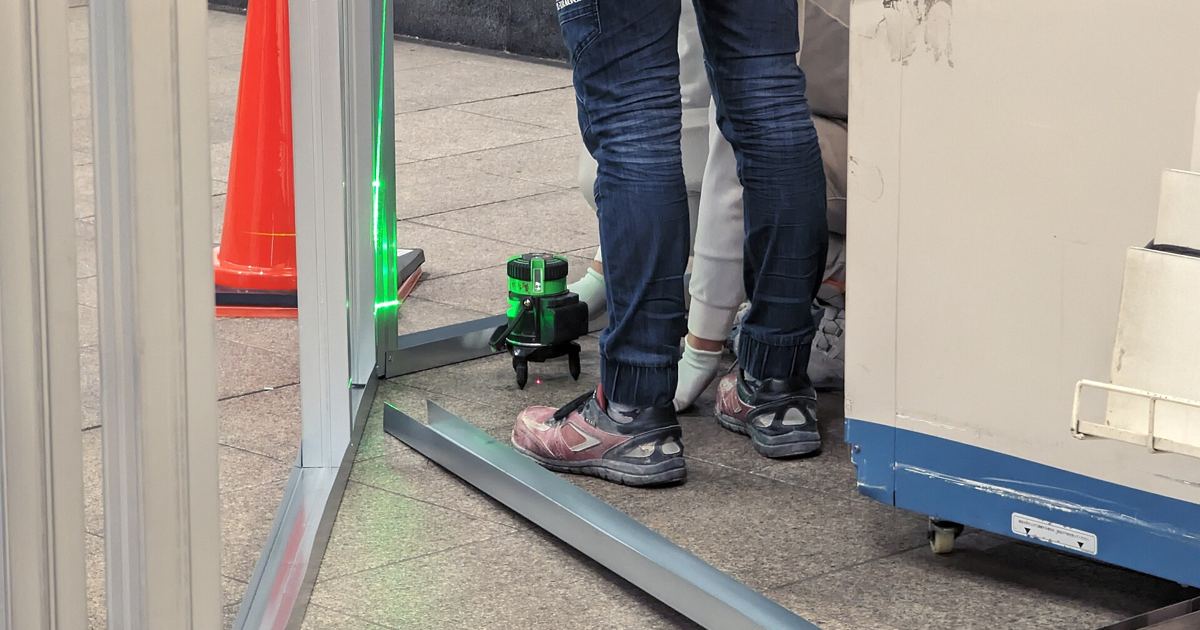
Interior layout crews, drywall contractors, and framing teams regularly operate laser levels and alignment systems across commercial jobsites. While these tools streamline wall, track, and ceiling installations, they emit nonionizing radiation governed strictly by federal standards. Under 29 CFR 1926.54, the Occupational Safety and Health Administration establishes clear operational boundaries. By comparing the responsibilities of qualified operators against general site exposure controls, contractors can keep layout workflows compliant and safe.
Operator Qualifications vs. General Crew Protections
Jobsite safety standards draw a firm line between the personnel certified to control laser equipment and the general trades working nearby. Under federal rules, an employer may not permit just anyone to set up or adjust a laser line during metal stud framing takeoff and layout phases.
- Operator qualification: Only qualified and trained employees shall be assigned to install, adjust, and operate laser equipment.
- Proof of qualification: Proof of qualification of the laser equipment operator must be available and in possession of the operator at all times.
- Alignment detectors: When guiding the internal alignment of the laser, only mechanical or electronic means shall be used as a detector.
- Beam direction controls: The laser beam shall never be directed at employees.
- Elevation placement: When possible, laser units in operation should be set up above the heads of the employees.
While general crew members are protected primarily by beam positioning above head height, the operator carries direct regulatory responsibility and must keep documentation physically on hand throughout the shift.
Direct Staring vs. Incidental and Reflected Exposure Limits
A central comparison in 29 CFR 1926.54 involves allowable light intensity thresholds based on the angle and manner of eye exposure. The standard differentiates between direct eye contact, casual observation, and diffuse reflection:
Employees shall not be exposed to light intensities exceeding 1 micro-watt per square centimeter for direct staring. For incidental observing, the maximum exposure threshold rises to 1 milliwatt per square centimeter. For diffused reflected light, the allowable exposure ceiling is 2 1/2 watts per square centimeter.
These limits demonstrate how drastically potential damage scales depending on whether a worker looks straight down the beam path versus catching scattered reflection off a wall or floor track. Furthermore, when working in areas where a potential exposure to direct or reflected laser light greater than 0.005 watts (5 milliwatts) exists, employers must provide antilaser eye protection devices as specified in subpart E.
Active Beam Use vs. Standby and Unattended Protocols
Equipment management rules contrast how lasers are handled during active measurement versus periods when layout work pauses. The standard does not permit lasers to cast beams freely when measurements are not underway.
During working periods, crews must utilize beam shutters or caps, or turn the laser off entirely, whenever laser transmission is not actually required. When equipment is left unattended for a substantial period of time—such as during lunch hour, overnight, or at the change of shifts—the laser must be turned completely off rather than left on standby with shutters closed.
Clear Working Conditions vs. Adverse Weather Restrictions
Environmental conditions create distinct operational differences for layout crews working on exposed slabs or partially enclosed exterior structures. Airborne moisture and particles alter how laser radiation travels through the work zone.
When it is raining or snowing, or when there is dust or fog in the air, the operation of laser systems shall be prohibited where practicable. In any event, employees must be kept completely out of range of the area of the source and target during such weather conditions. This separates regular indoor layout protocols from poor-weather situations where diffuse beam scattering presents unique hazards.
Jobsite Warning Placards vs. Equipment Output Labels
Signage requirements under federal rules function on two distinct levels: alerting the entire jobsite perimeter and identifying individual equipment output. Areas in which lasers are used shall be posted with standard laser warning placards to notify incoming workers that nonionizing radiation devices are operating.
At the tool level, every piece of laser equipment must bear a label indicating its maximum output. This equipment label provides the field operator and safety inspectors with the exact power rating necessary to determine whether the 0.005 watts (5 milliwatts) eye-protection threshold is exceeded. In addition, where microwave radiation is present alongside alignment systems, the standard dictates that employees shall not be exposed to microwave power densities in excess of 10 milliwatts per square centimeter.
Sources
Electronic Code of Federal Regulations - 29 CFR 1926.54 Nonionizing Radiation
Published October 30, 2026. No affiliate links on this page. Facts come from the sources linked above; check them for updates.