OSHA 1926.28 PPE Compliance: Estimator Bid and Schedule Checklist
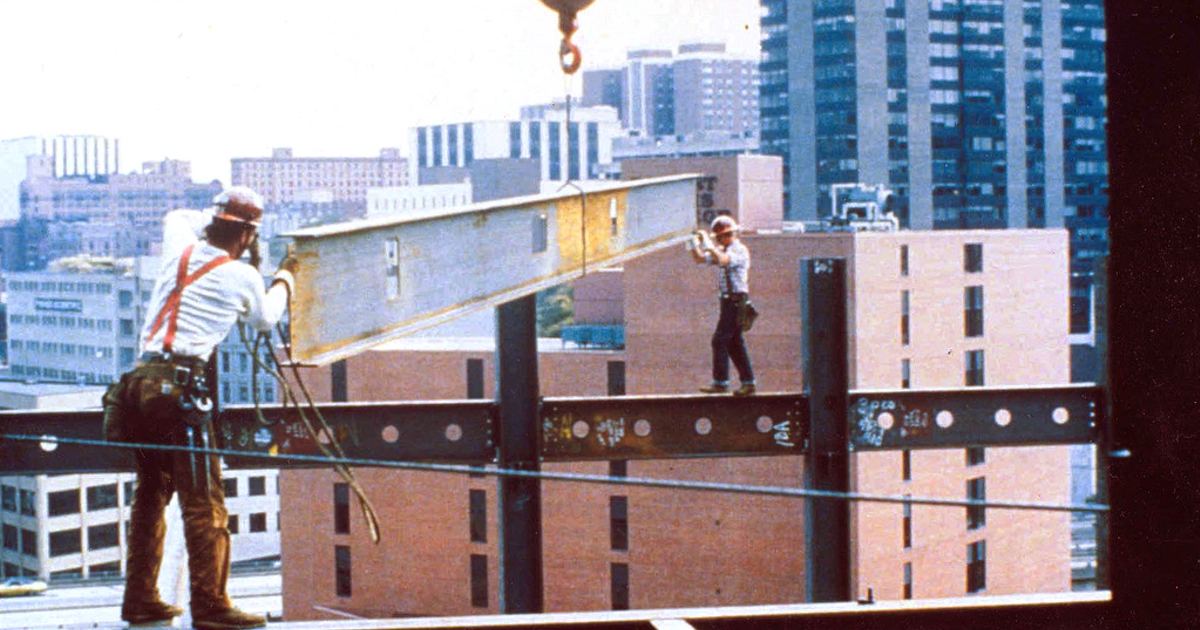
Construction estimators and project managers cannot treat personal protective equipment as an afterthought or a trivial field supply. Federal safety regulations place direct legal accountability on employers to enforce gear usage across all jobsite activities where hazards exist. Reviewing requirements under OSHA 29 CFR 1926.28 regulation on eCFR helps bidding teams identify where protective gear is required, prevent project delays, and structure comprehensive estimates that protect field crews.
Checklist Step: Identifying Hazardous Exposures Across Trade Operations
The primary mandate established by the standard dictates that employers are responsible for requiring the wearing of appropriate personal protective equipment in all operations where workers face exposure to hazardous conditions. For estimators building assemblies for framing, drywall, ceiling installation, or exterior work, this duty means evaluating the physical working environment outlined in the contract drawings and specifications.
Hazard identification during the preconstruction phase must review both trade-specific risks and overlapping jobsite conditions. When evaluating upcoming scopes of work, estimators should run through a preliminary hazard check:
- Operations that expose crews to falling materials, flying particles, or overhead hazards.
- Work environments where sharp edges, framing tracks, or heavy components create contact hazards.
- Atmospheres or tasks where dust, chemical exposures, or airborne contaminants demand protective measures.
- Elevated work platforms or transitional structural locations where fall hazards or falling objects endanger workers below.
Whenever work operations present these hazards, mandatory equipment wearing becomes an enforceable operational baseline rather than an optional safeguard.
Checklist Step: Aligning Scope with Subpart E Requirements
Compliance does not stop with a general requirement to mandate gear. Under 29 CFR 1926.28, employers are directed to subpart E, which describes the detailed regulations governing the selection, use, and maintenance of personal protective and lifesaving equipment. Estimators should never make loose assumptions about the equipment specified for a given scope.
Subpart E establishes specific criteria for individual categories of gear. When scoping a project, cross-reference trade tasks against subpart E guidelines to ensure the selected items match the exact protective levels required for the physical conditions of the job. Choosing the wrong equipment or relying on substandard items creates immediate compliance exposure and exposes employees to severe workplace injuries.
Checklist Step: Factoring Protective Wear into Production Schedules
Enforcing mandatory protective wear has a measurable effect on field schedule timelines. A compliant jobsite requires field supervision to actively monitor crew members, inspect gear condition, and confirm that employees wear appropriate equipment throughout daily operations. When estimators build project durations, they must account for the operational time consumed by compliant protective routines.
Work schedules must incorporate time for crews to inspect equipment, fit gear correctly before entering hazardous work zones, and replace worn or compromised items. Furthermore, complex protective gear can alter worker movement and pace on production-heavy scopes like drywall hanging or ceiling grid installation. Allowing sufficient task durations preserves crew safety and keeps the project on schedule without forcing field personnel to choose between speed and federal compliance.
Checklist Step: Structuring Equipment Allowances in Project Bids
A frequent error in commercial subcontracting is omitting mandatory safety gear from trade cost summaries. Because 1926.28 explicitly places the duty on the employer to require appropriate equipment, contractors must fund these requirements through deliberate line items rather than absorbing them into vague overhead allowances.
Bidding teams should incorporate these direct compliance items through structured general conditions estimating. Identifying the specific protective equipment, lifesaving items, and maintenance supplies required for a project ensures the proposal reflects true job costs. Capturing these costs early safeguards project gross margins and guarantees that project managers have adequate resources to supply approved gear from day one.
Checklist Step: Final Bid Day Review for Safety Compliance
Before submitting a formal proposal, the estimating team should perform a final verification check alongside the standard bid day checklist. This review confirms whether site-specific safety plans or general contractor project manuals include equipment requirements beyond basic compliance baselines.
Check the contract documents to see if the project owner requires dedicated lifesaving gear or trade-specific protective items. Confirm that the proposed crew sizing accounts for supervisory time to enforce wearing requirements. By establishing compliance readiness at the estimating desk, trade contractors protect their bids, reduce risk, and fulfill their mandatory duties under federal standards.
Sources
eCFR 29 CFR 1926.28 Personal Protective Equipment
Published October 28, 2026. No affiliate links on this page. Facts come from the sources linked above; check them for updates.